Reclaiming Curls: The Journey of Moroccan Women
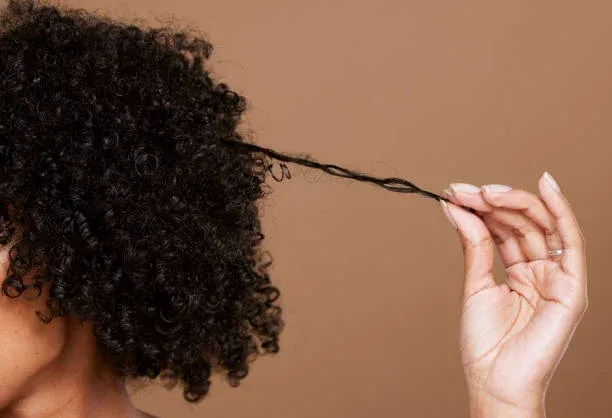
For generations, Moroccan women with curly hair have faced societal pressures that deemed their natural tresses as messy, unmanageable, or simply unattractive. However, a transformative wave is sweeping across the nation as more women are bravely reclaiming their natural curls, challenging entrenched beauty standards, and encouraging their peers to embrace their unique hairstyles. This cultural shift signifies not only a personal journey for many but also a broader movement towards self-acceptance and empowerment.
Take Ghita from Casablanca, for instance. Growing up, she was unaware that her hair was perceived as different; it was simply curly and troublesome to detangle. As a child, she often wore it in braids, but it was the hurtful comments from others that made her realize her hair's so-called difference. Phrases like "here, take a comb" and the derogatory term "chaakouka" (translated as resembling a nest) stung deeply and instilled a sense of shame regarding her natural hair. Ghita candidly shared her struggle with Yabiladi, explaining, "I didn’t embrace my curls." In her quest for acceptance, she turned to weekly blowouts, even attempting a hair straightening treatment that left her regretting her choices.
It wasn't until she met a classmate with curly hair that Ghita found the courage to appreciate her curls. The two girls bonded over their shared experiences, embarking on a challenging journey to revive and care for their damaged hair. With limited resources, Ghita gradually learned to love her curls, realizing the extent of the hair she had lost due to years of neglect and harsh treatments.
Similarly, Siham from Mohammedia faced the harsh reality of negative comments about her hair, especially when they came from loved ones. She lamented the impact of such remarks on her self-esteem, stating, "That destroys your confidence." From a young age, Siham felt compelled to hide her naturally curly hair, even resorting to permanent straightening at just six years old. This decision led her down a path of continuous keratin treatments, which ultimately damaged both her hair and her self-image. Siham articulated the painful truth, saying, "You grow up understanding that your hair is not nice," as compliments only came when her hair was straightened. The reinforcement of this notion by professionals only deepened her belief that straight hair was the standard of beauty.
From Struggle to Empowerment: The Rise of Curly Hair Stylist
While some women like Yassmina found support at home, the outside world was often filled with critical comments that made them self-conscious about their curls. Yassmina, who now resides in Barcelona, vividly remembers how her mother took care of her curls, instilling a sense of beauty within her. However, negative feedback from peers and strangers dampened her confidence. It wasn't until she moved to Spain that she fully embraced her natural curls, spurred on by the positive reactions she received from others. The contrast between European acceptance and Moroccan criticism became a pivotal moment in her journey toward self-acceptance.
Siham's awakening occurred while studying in London, where a video featuring a content creator inspired her to reclaim her curls after years of heat damage. Determined to break free from societal expectations, she took scissors to her straightened hair, unveiling her natural curls. In her newfound confidence, she faced resistance from family but remained resolute in her choice. This pivotal moment marked the beginning of her journey as a curly hair stylist, where she began sharing her experiences and expertise with others who were also seeking to embrace their curls.
Through her involvement in a Facebook group dedicated to curly hair, Siham began to connect with other women, offering styling advice and support. What started as a passion project transitioned into a professional venture, leading her to open a salon in Mohammedia specializing in curly hair care. Without formal training, Siham relied on her experiences and online resources, later furthering her education through online courses tailored to curly hair care—a niche still not widely available in Morocco.
Both Ghita and Siham's stories highlight a significant cultural shift towards embracing natural beauty, as they witness an increasing number of young girls proudly wearing their curls. They stress the importance of representation and education in fostering a positive environment for future generations. Ghita reflects on the changing mindset, noting, "Today, I see more and more children and young women keeping their natural curls, without trying to straighten or hide them." This sentiment is echoed by Yassmina, who celebrates the rise of content creators and salons dedicated to curly hair, viewing them as symbols of empowerment that inspire self-love.
Despite the progress made, there remains substantial work to be done in combating negative perceptions and misconceptions surrounding curly hair. Ghita emphasizes the role of parents and schools in fostering acceptance and preventing bullying, while Siham advocates for more professional training in curly hair care. With a growing community of women who support and uplift each other, the future looks promising for curly-haired girls in Morocco.
As reported by en.yabiladi.com.