Transformative Circular Economy Projects in Peru, Morocco, and Ecuador
Three significant agreements backed by CODESPA and supported by the Spanish Agency for International Development Cooperation (AECID) are making strides in promoting sustainable economic opportunities in rural contexts across three continents: Peru, Morocco, and Ecuador. These initiatives are rooted in the principles of the circular economy, green entrepreneurship, and biodiversity conservation, demonstrating how these elements can serve as catalysts for sustainable development in rural communities.
Collectively, these programs have positively impacted more than 10,000 individuals by fostering sustainable productive activities. These activities are closely linked to the transformation of agricultural waste, the formalization of informal economic ventures, and the responsible use of biodiversity resources. The outcomes indicate that when the right conditions are established, rural communities can effectively convert underutilized resources into sustainable development opportunities.
Country-Specific Initiatives and Impact
In Peru, efforts have been focused on the valuation of agricultural waste from crops such as cacao, coffee, bananas, and pineapples. This initiative not only promotes the transformation of these waste products into new goods but also enhances the technical and financial capabilities of over 900 rural entrepreneurs. The positive impact of this approach is evident as it encourages innovation and sustainable practices within the agricultural sector.
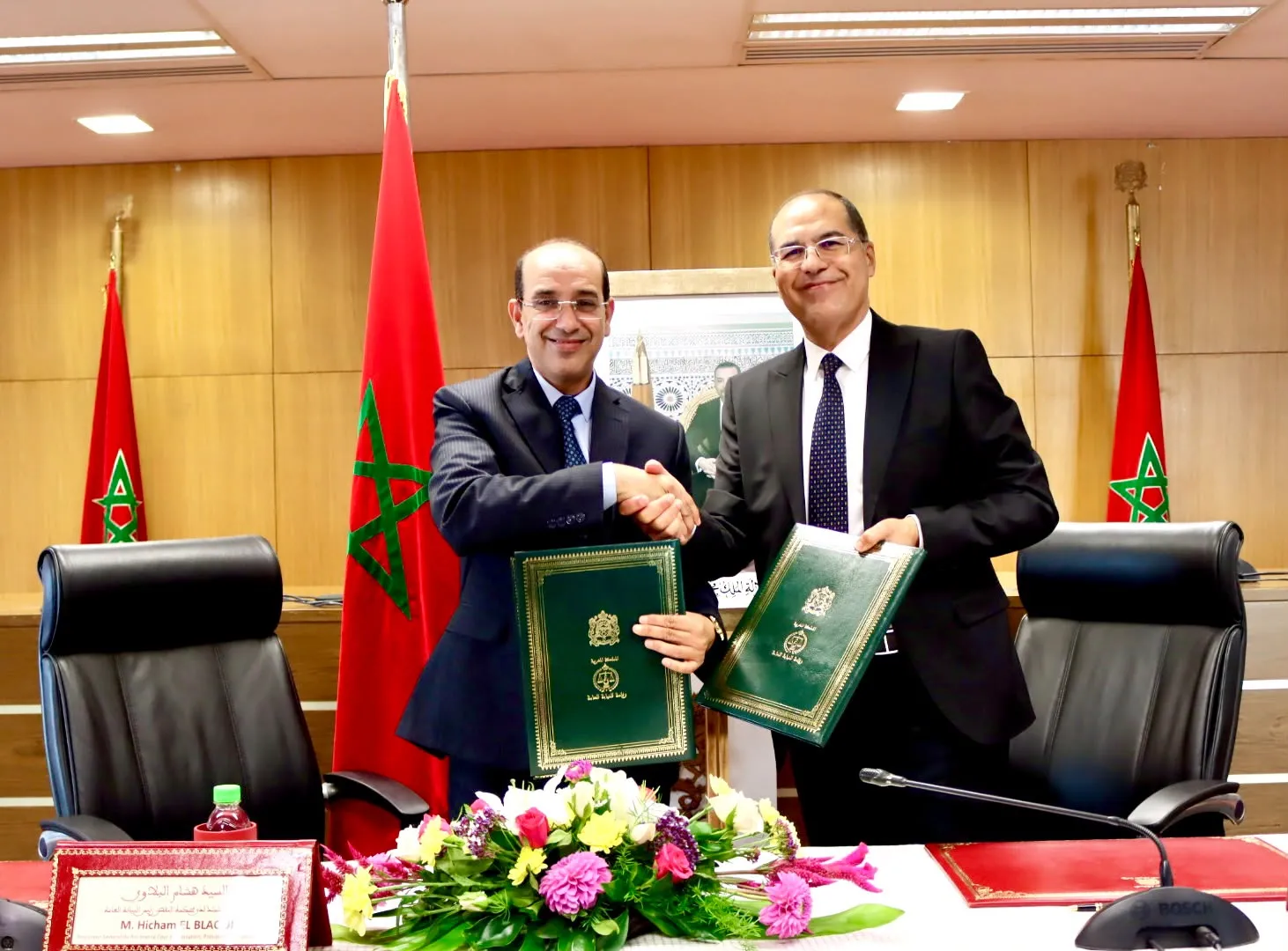
Morocco's program has been instrumental in facilitating the transition from informal activities to structured green businesses. This transition involves the formalization of initiatives such as used oil recycling and textile material reuse. By providing access to financing and formal markets, these initiatives empower local entrepreneurs and help integrate them into the broader economy, fostering a culture of sustainability.
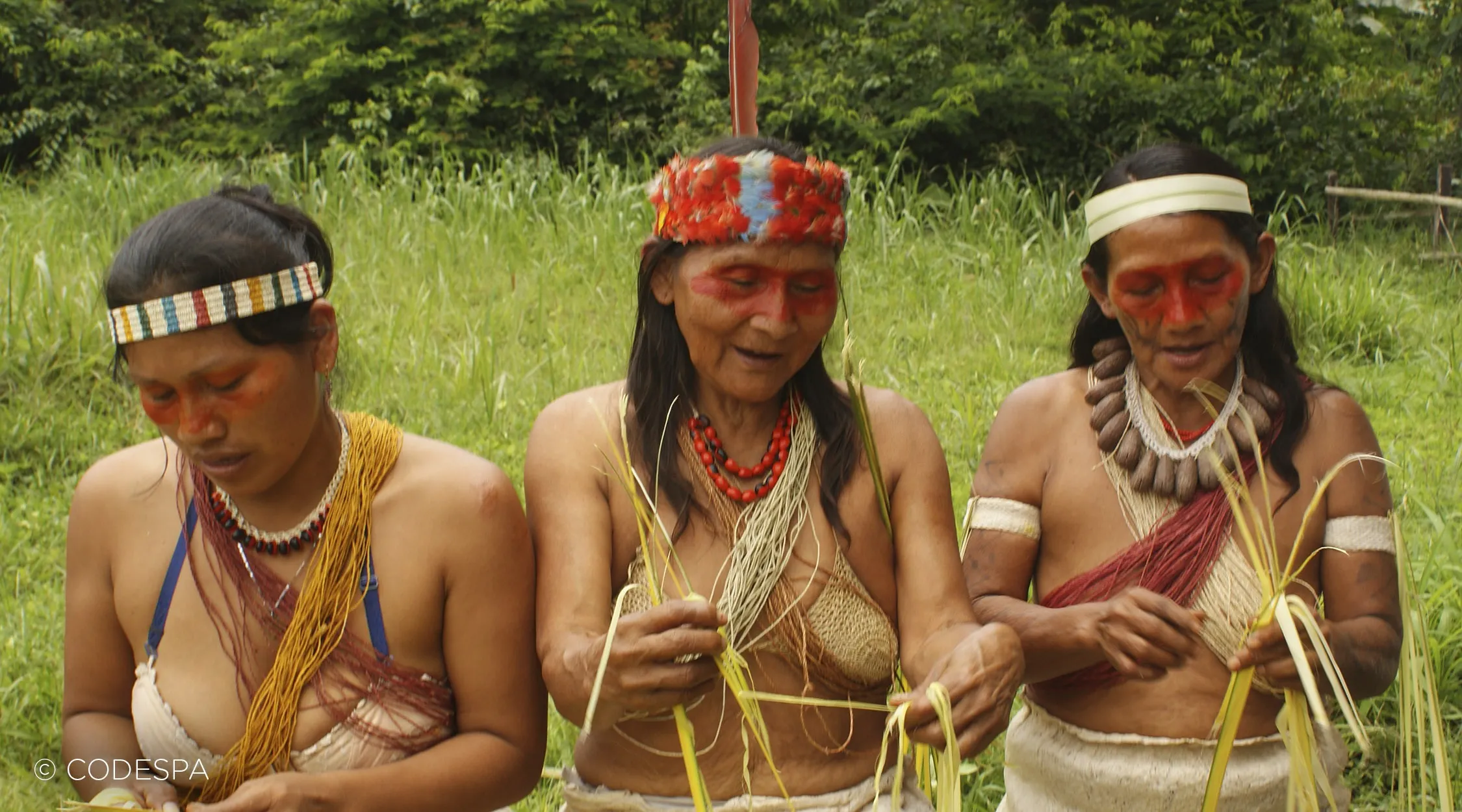
Meanwhile, in Ecuador, the interventions have strengthened bio-entrepreneurship, community tourism, and mechanisms for environmental service compensation. These efforts enable indigenous and rural communities to generate income while simultaneously conserving highly valuable ecological ecosystems. This dual approach not only supports economic growth but also reinforces the importance of environmental stewardship.
These experiences highlight the potential of rural communities to leverage their resources for sustainable development when provided with the appropriate tools and support.
As reported by coordinadoraongd.org.