
End of Unsolicited Telemarketing in France
As of August 11, 2026, unsolicited telemarketing has been officially banned in France, a significant legislative change aimed at enhancing consumer protection and reducing the annoyance caused by persistent telemarketing calls. A recent survey revealed that an overwhelming 97% of French citizens expressed frustration towards such calls, with over a third reporting daily interruptions on their mobile devices. The new law imposes stringent penalties, including fines of up to €375,000 per call for companies that disregard this regulation. However, exceptions exist for businesses that have an existing contract with the consumer or for print media companies selling subscriptions.
Impact on Moroccan Call Centers
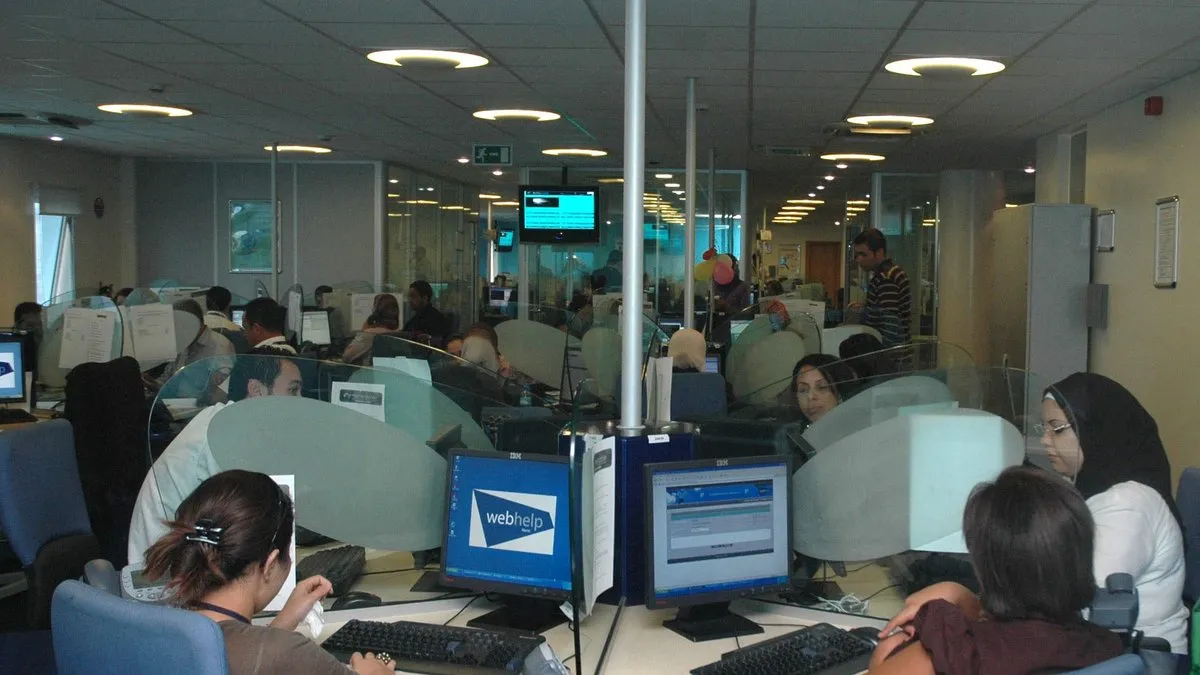
This legislation has immediate ramifications for Morocco, home to numerous call centers that cater primarily to the French market. According to officials, the full extent of the impact is still being assessed, but early indicators suggest that around 10,000 jobs may be at risk. Many call centers were on annual leave during August, but the effects of the new law are expected to materialize as operations resume. Some companies have already refrained from renewing their leases or have removed their signage in Casablanca, signaling a downturn in business activities. The Moroccan call center industry, which officially comprises about 600 centers, relies heavily on the French market, accounting for over 80% of its revenue. Consequently, the decline in telemarketing operations could lead to significant disruptions within this sector.
Experts believe this marks a pivotal moment in consumer rights and business practices. Benjamin Recher from Que Choisir Ensemble considers the ban a monumental victory, heralding the decline of a sales strategy that has increasingly fallen out of favor as consumers grow more resistant to unsolicited communications. Former telemarketer Anas Benbrahim echoes this sentiment, noting that the relentless nature of telemarketing had made its eventual decline inevitable. To adapt to these changes, major Moroccan call centers are diversifying their services, focusing on customer support, technical assistance, and moderation services, although this shift may not be sufficient to absorb all displaced workers. Additionally, the rise of artificial intelligence technologies has already begun to reshape employment within the industry.
While the law aims to protect consumers from unwanted calls, it does not completely eliminate the possibility of receiving unsolicited communications, especially from abroad. The law allows consumers to still receive calls from companies they've engaged with or provided their contact information to. For those seeking to minimize unwanted interruptions, innovative solutions such as the Saracroche app, developed by a Toulouse-based programmer, offer a way to block millions of unwanted numbers effectively.
As reported by ladepeche.fr.