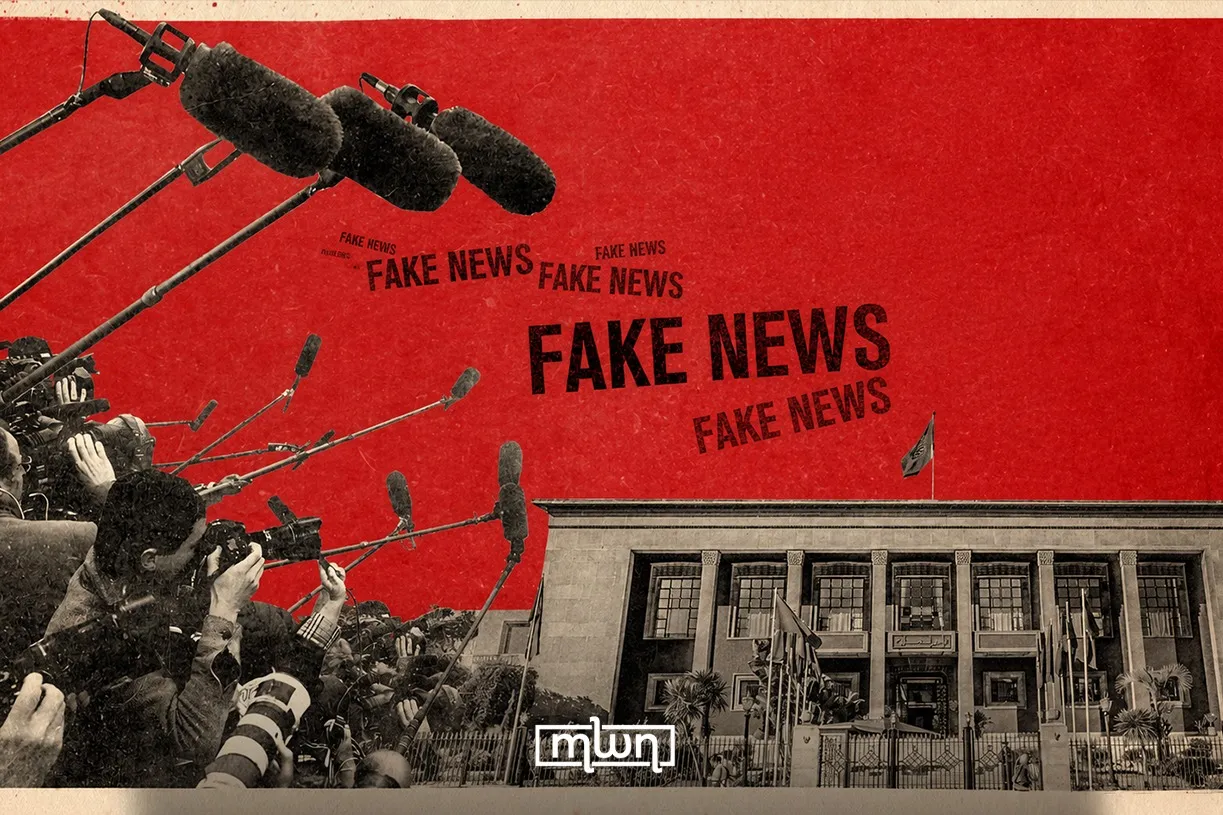

In a significant move to safeguard the integrity of the electoral process, Morocco has enacted new legal provisions aimed at criminalizing the dissemination of fake news and misleading digital content in the lead-up to the legislative elections scheduled for September 23. These elections are crucial as they will renew all 395 seats in the House of Representatives. The newly introduced measures specifically tackle the misuse of information and communication technologies for publishing or sharing unauthorized statements or images of individuals. Additionally, they address the propagation of false information, misleading claims, and forgeries that could potentially harm the privacy and reputations of both voters and candidates.
The newly established regulations are encapsulated in Article 51-bis, which has been introduced through Organic Law 53.25. This law amends and enhances the existing Organic Law 27.11 governing the House of Representatives. Among its key provisions, the law imposes penalties for spreading rumors or fake news that may undermine the credibility and transparency of the electoral process. As the digital landscape evolves, with the rise of artificial intelligence tools and digital platforms, the potential for creating and disseminating falsified content has increased, prompting the need for such legislative measures.
Article 51-bis aims to fortify the electoral process against manipulation and defamation while ensuring that freedom of opinion and expression—enshrined in Morocco’s Constitution—is not curtailed. The legislation prioritizes the protection of voters' and candidates' privacy against defamatory uses of their words or images, necessitating proof of intent to inflict harm or unlawfully influence the electoral process for any prosecution under this provision.
Notably, situations lacking clear intent to harm are exempt from these legal stipulations. This approach aligns with fundamental principles of criminal legality and proportionality recognized in both constitutional jurisprudence and international human rights standards. Offenses delineated in Article 51-bis may incur prison sentences ranging from two to five years, alongside fines between MAD 50,000 (approximately $5,339) and MAD 100,000 (around $10,678), reflecting the seriousness of these offenses.
Moreover, these regulations form part of a broader legal framework addressing electronic crimes, privacy infringements, digital blackmail, and the spread of misinformation during elections—practices often employed to defame individuals or sway electoral outcomes. Morocco’s proactive stance mirrors similar legislative efforts in other nations, which aim to combat the spread of fake news, manipulated digital content, and disinformation campaigns during electoral periods. The overarching goal of adopting Article 51-bis is to mitigate the impact of false information that may mislead the electorate or erode public confidence in the electoral process, while also striking a balance between safeguarding freedom of expression and imposing legal accountability in the digital realm.
As reported by moroccoworldnews.com.