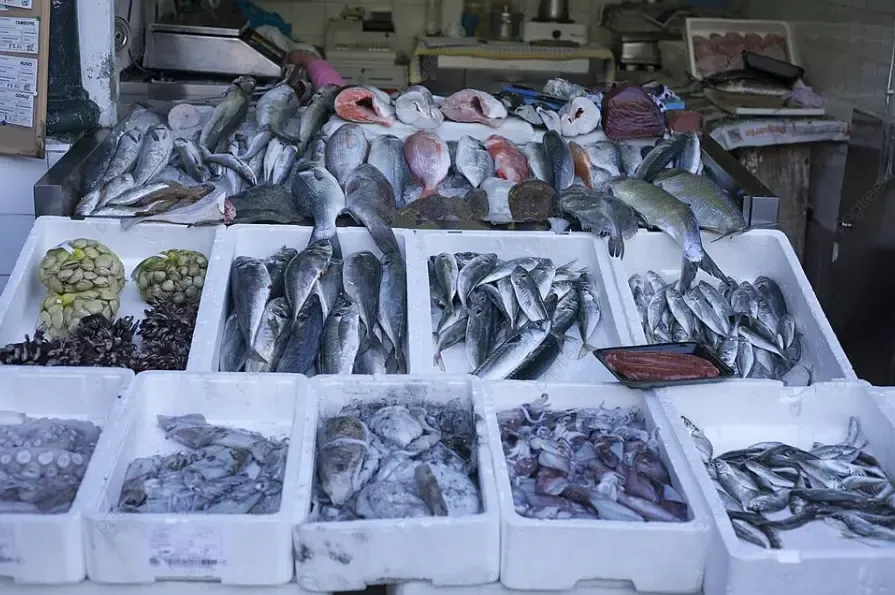

Concerns Over Fish Safety in Marrakech's Wholesale Market
The recent reports from a local media outlet regarding questionable fish safety in the wholesale fish market located in the Mohammedia area of Marrakech have sparked significant public debate. It was highlighted that a batch of fish had remained in a refrigeration unit for several days, subsequently emitting foul odors, prompting some traders to call for its removal and disposal to prevent any unsound products from reaching consumers' tables. This alarming incident brings to the forefront a critical issue regarding seafood safety, which must not be treated merely as a matter of profit and loss or commercial disputes. Instead, it should be viewed as a direct concern linked to public health and consumer safety.
The Role of Regulatory Bodies and Market Management
In this context, the National Office for Food Safety (ONSSA) plays a crucial role in monitoring compliance with safety and quality standards, assessing the suitability of food products, including fish and seafood. This is based on inspections and protocols conducted by specialized authorities. Therefore, determining the safety of any dubious product should remain the prerogative of legally authorized entities, free from individual interpretations or unprofessional assessments. However, the responsibility for consumer protection should not rest solely on the monitoring body. The market management, as the overseeing entity responsible for organizing the reception, storage, trade, and marketing of products, also bears a fundamental responsibility in ensuring adherence to health and safety standards. They must take action to prevent the circulation of any product that raises serious doubts until it undergoes thorough inspection and resolution of its status.
Fish markets are more than just commercial spaces; they represent a critical link in the food supply chain. Any disruption in storage, refrigeration, or trading conditions can have immediate repercussions on product quality and consumer health. The importance of this responsibility is underscored by the rising instances of food poisoning linked in some cases to the consumption of unsafe food products, making prevention and early intervention far more vital than waiting for harm to occur. The fundamental principle in the realm of food safety must be clear: when serious doubts arise regarding the safety of a food product, priority must always be given to protecting consumer health while awaiting the results of inspections and evaluations.
Moreover, adhering to the cold chain and storage conditions is not merely a secondary technical issue; it is an essential element in preserving the quality of fish, especially since seafood is highly perishable and requires meticulous care from the moment it is unloaded until it reaches the consumer. Consequently, the incident in Marrakech deserves to be an opportunity to reinforce the necessity for coordination among various stakeholders: ONSSA, market management, local authorities, professionals, and traders, to ensure that any suspicion related to a food product does not become a public health hazard.
The goal is not only to ascertain whether the fish in question is fit for consumption but also to ensure compliance with storage and refrigeration conditions, as well as to identify responsibilities should any violations be confirmed. Protecting consumers begins long before the fish reaches the dining table. Ultimately, the reputation of fish markets and consumer trust in seafood products are built not just on the volume of supply and sales but fundamentally on rigorous monitoring, adherence to safety regulations, and prompt intervention whenever indications of doubt arise.
Consumer health is a red line, and any product with questionable safety must immediately undergo professional and legal scrutiny without leniency or risk-taking.
As reported by albahr.info.