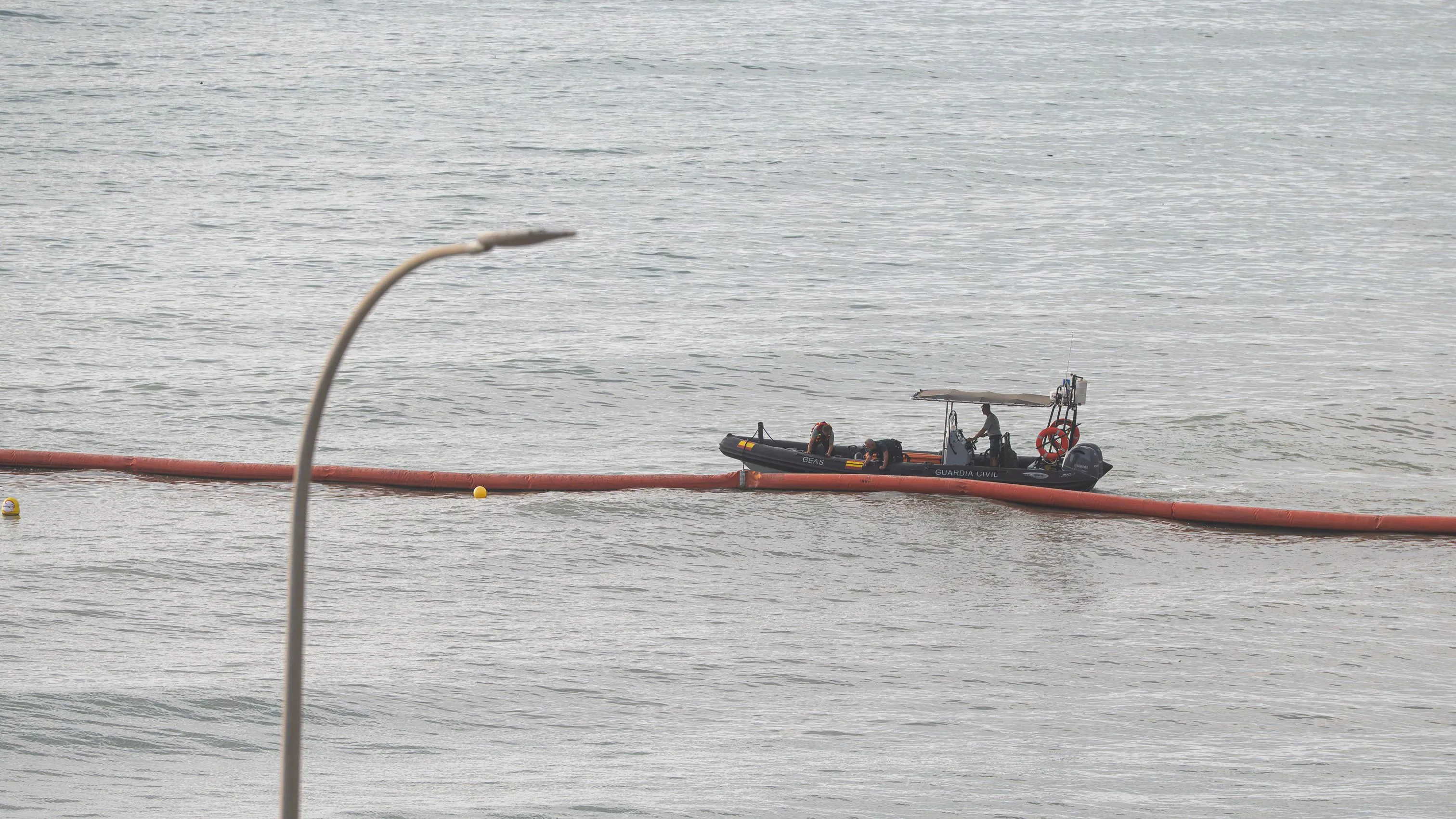
The Spanish government has reported a tragic incident involving the deaths of nine migrants who drowned while attempting to swim from Morocco to the Spanish enclave of Ceuta. This small enclave, situated on the northern coast of Africa, has recently experienced a significant influx of migrants, with over 1,500 arriving by sea in just a single week. The local government in Ceuta is sounding the alarm, as reception centers are overwhelmed and struggling to accommodate the growing number of individuals seeking refuge. In response, the Spanish government has announced plans to deploy soldiers to ensure security in the region amidst this escalating crisis.
According to the Spanish Ministry of the Interior, the military will support the Civil Guard in maintaining order and managing the situation in Ceuta. The statement emphasized the need for immediate action to address the challenges posed by the unprecedented number of migrants arriving illegally from Morocco. The dire circumstances in Ceuta have prompted calls for governmental intervention, as the local authorities express their inability to effectively handle the crisis.
Italy's Response: A Call for Suspension from Schengen
In light of the significant migrant arrivals, Italian Foreign Minister Antonio Tajani has proposed suspending Spain from the Schengen Area. He criticized the uncontrolled and irregular immigration flow and expressed support for closing the borders with Spain. This move reflects Italy's growing concern over the handling of the migrant situation and highlights the broader implications for European border management policies.
A Dire Situation on the Ground
The humanitarian situation in Ceuta is alarming. Reports indicate that hundreds of migrants are sleeping on the streets, with makeshift camps scattered throughout the city. The local reception centers are at full capacity, unable to accommodate the overwhelming number of new arrivals. The temporary migrant center, designed to hold a maximum of 500 individuals, is completely saturated, creating an extremely serious situation as described by local government leader Juan Jesus Vivas. Rescues at sea have become a daily occurrence, with over 600 individuals being rescued in recent days alone. The Spanish Civil Guard, maritime rescue services, and the Red Cross are all mobilizing their resources to address the humanitarian crisis.
The influx of migrants has become increasingly common, despite reinforced borders established after the 2021 crisis when Ceuta saw the arrival of 10,000 migrants. The local government has expressed its struggle to cope with the situation, while Spanish Interior Minister Fernando Grande-Marlaska insists that authorities are doing their best with the resources currently deployed.
In conclusion, the crisis in Ceuta calls for an urgent and cohesive response from both Spanish and Moroccan authorities. The need for a joint mechanism to manage such crises in real-time has become apparent, as the lack of coordination between the two nations exacerbates the humanitarian challenges faced by migrants and local officials alike.
As reported by rfi.fr.