
EU Provides Emergency Aid to Spain Amid Migration Crisis
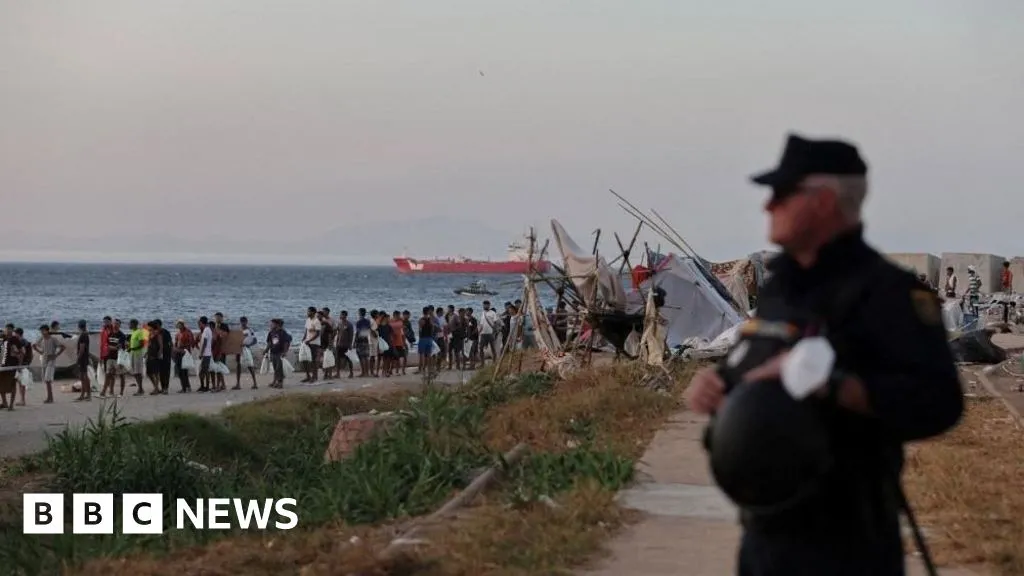
The European Union has taken decisive action to assist Spain by approving a substantial emergency aid package amounting to €115 million (approximately $130 million). This financial support aims to enhance the security of the EU's external borders and facilitate the return of migrants who recently overwhelmed authorities in Ceuta, a Spanish exclave located in North Africa. The crisis reached its peak in late July when more than 70,000 migrants crossed into Ceuta from Morocco, prompting urgent calls for assistance from the Spanish government.
Spain's request for funding, submitted on August 24, reflects the growing pressures faced by the European Union regarding border management and migration. The EU's commitment to addressing these challenges is underscored by the specific measures that the funds will support, including the installation of advanced surveillance technologies such as thermal cameras and underwater drones. Additionally, the aid will cover the establishment of facilities dedicated to the processing of migrants and the organization of their return to Morocco, ensuring that those who remain illegally in Ceuta are swiftly accommodated.
European Commission Vice President Henna Virkkunen emphasized the urgency of the situation, stating, "The situation in Ceuta has put pressure on our external borders. Our message remains clear: We are committed to combating illegal migration and ensuring the swift return of those who remain illegally in Ceuta." This statement highlights the EU's broader strategy to manage migration flows effectively while also providing humanitarian support to those affected.
Unaccompanied Minors and Ongoing Challenges
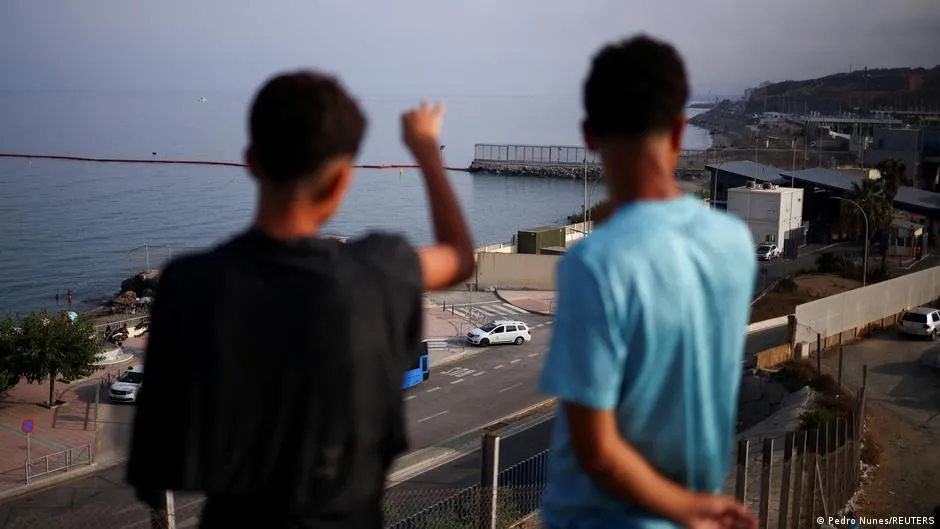
While the majority of migrants who entered Ceuta have been returned, thousands still remain, including a significant number of unaccompanied minors. Many of these children are living in precarious conditions, raising serious concerns about their safety and well-being. Reports indicate that these minors are especially vulnerable to exploitation, including the risk of sexual assault. The situation has garnered widespread attention, prompting discussions about the responsibilities of EU member states in protecting the rights and safety of these vulnerable groups.
The July incident has also sparked tensions among EU member states, particularly between Spain's left-leaning government and Italy's far-right leadership. The political ramifications of the crisis have led to calls for a more unified and effective EU migration policy to prevent similar situations in the future. As investigations continue into whether Moroccan authorities played a role in facilitating the mass crossing, Spain's Prime Minister Pedro Sanchez has stated that there is no concrete evidence to implicate Morocco directly in the crisis.
In light of these developments, it is crucial for the EU to not only enhance border security but also to address the root causes of migration and ensure that the rights of migrants are upheld as part of a comprehensive approach to migration management. This emergency funding represents a significant step towards achieving these goals, but ongoing cooperation and dialogue among member states will be essential in fostering long-term solutions.
As reported by dw.com.