
Government Documents Reveal Warnings Ahead of Mass Migration
Recent disclosures from the Spanish government have unveiled alarming insights into the mass influx of migrants into Ceuta, a small Spanish exclave in North Africa. Newly declassified documents indicate that Spain's National Intelligence Service (CNI) had forewarned local authorities about social media activities inciting a large-scale crossing from Morocco the day before the event occurred. On July 29, the CNI alerted both Moroccan and Ceuta officials that various social media platforms were abuzz with calls for migrants to attempt to breach the territory's borders the following day. This revelation has intensified scrutiny of Prime Minister Pedro Sánchez's administration, with opposition parties accusing the government of failing to adequately inform the public about the impending crisis.
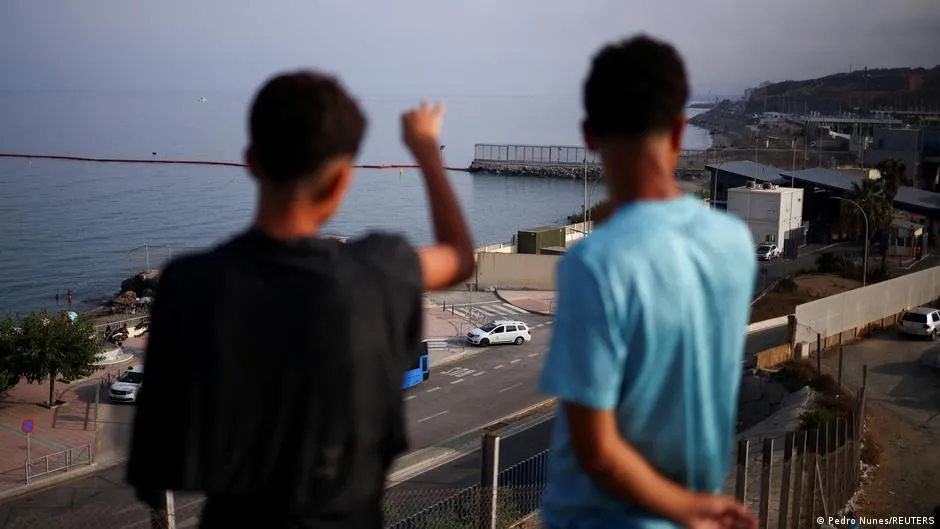
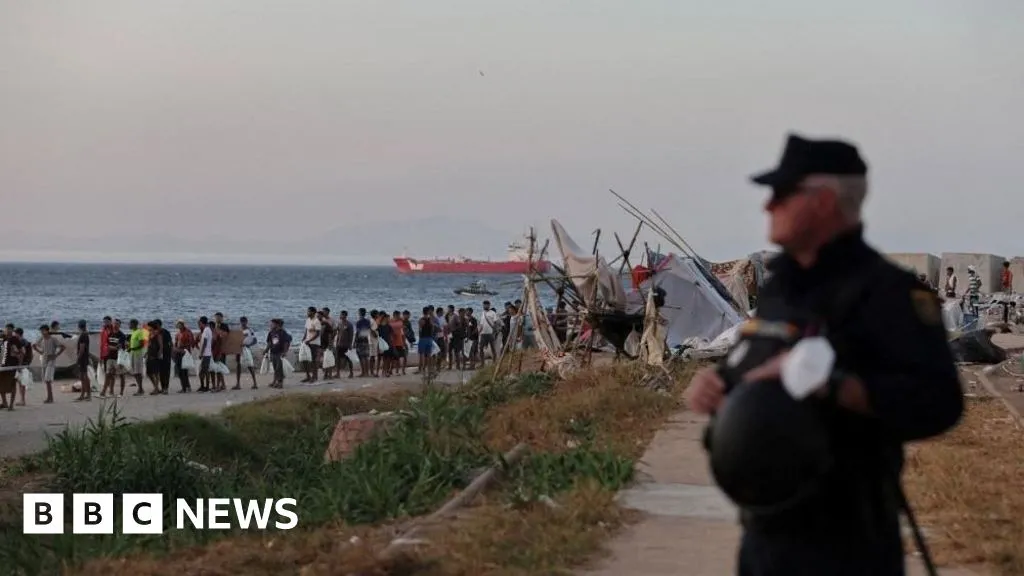
During a parliamentary session, Sánchez asserted that the events unfolding on July 30 were unforeseen, claiming there was no intelligence indicating the scale of the migrant crisis that would unfold over the last two days of July. However, these newly released documents tell a different story. On July 30 and 31, an estimated 72,000 migrants made the perilous journey from Morocco to Ceuta, with many resorting to swimming around a border fence. Tragically, reports indicate that at least 100 individuals lost their lives in the attempt. While a majority of these migrants returned to Morocco, approximately 5,000 remain in makeshift camps or are sleeping on the streets and beaches of Ceuta, igniting social unrest and safety concerns among local residents.
The CNI's note, dated July 29, specifically referenced WhatsApp and Facebook groups that had been encouraging the crossing, with one message declaring, "Whoever wants to cross has the last chance on Throne Day [July 30] at 8; the authorities will be distracted with celebrations and parades." The agency estimated that around 180,000 individuals were exposed to these messages, prompting them to notify the central government's representatives in Ceuta and the civil guard about the social media activities. This situation has been exacerbated by accusations against Morocco, with suggestions that Moroccan authorities played a role in facilitating the crossings, although Sánchez has rejected these claims, stating there is no evidence of Moroccan involvement.
In light of these developments, opposition figures have seized the opportunity to call for accountability. Ester Muñoz from the conservative People's Party has remarked that the government had the information necessary to prevent the incident and is therefore culpable for the chaos that ensued. Meanwhile, Jorge Buxadé from the far-right Vox party has taken to social media, asserting that Sánchez and his administration should face legal action for treason and security violations. The government's stance remains that it acted appropriately based on the intelligence available at the time. Foreign Minister José Manuel Albares reiterated that he was unaware of any reports predicting the scale of the crisis, while a government spokesperson emphasized that the documents do not suggest an adequate warning was provided to prepare for such an unprecedented event.
As reported by bbc.com.