
Spain's Response to Migrant Crisis Receives EU Support
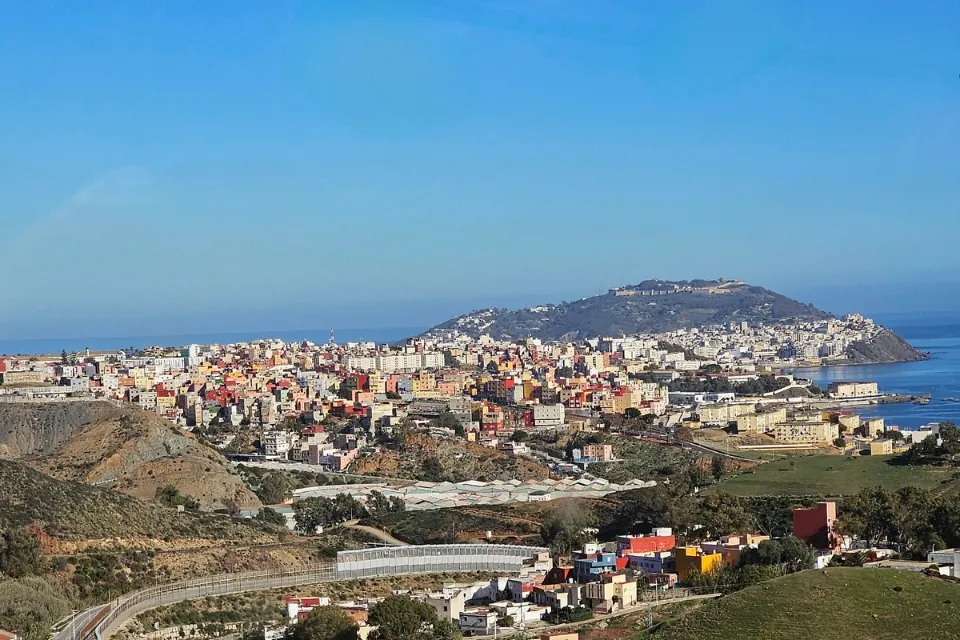
In a recent emergency videoconference, European Union interior ministers expressed their commendation for Spain's management of the significant migrant influx into Ceuta, marking an end to a week rife with public disagreements. The conference, chaired by Irish Justice, Home Affairs, and Migration Minister Jim O’Callaghan, highlighted the EU's commitment to a coordinated response to migration challenges. Spanish Interior Minister Fernando Grande-Marlaska reported that approximately 72,000 migrants entered the North African exclave on July 30 and 31, with around 70,000 having since returned to Morocco.
Despite the praises, the discussion was anticipated to be contentious, as several EU capitals had previously criticized Madrid's handling of the situation. Italy, in particular, took a firm stance by suspending parts of its Schengen agreement with Spain in response to the crisis. O’Callaghan emphasized the need for a unified European approach to address migration issues effectively.
Discrepancies in Migration Statistics and Political Tensions
The official figures concerning the migrant situation remain markedly inconsistent, with Spanish officials asserting that around 69,500 migrants have returned to Morocco, leaving an estimated 2,500 in Ceuta. Other sources have reported total arrivals ranging from 50,000 to 60,000. The debate extends to the tragic death toll, with reports indicating at least 75 fatalities on the Spanish side and 11 in Morocco, while other counts suggest a total of 67 deaths. Numerous victims reportedly drowned amid the chaos as large groups attempted to cross the borders by land and sea, overwhelming local authorities and border guards.
Italy's suspension of its Schengen agreement illustrates the growing tensions within the EU regarding migration policies. This temporary measure primarily affects air and sea travel, reflecting Rome's concerns over border security, as it reinstated controls for a period of 30 days. Countries like Finland and Denmark have expressed support for Italy's actions, while Czech and Italian leaders have called for Spain's temporary exclusion from the Schengen zone, a proposal firmly rejected by Madrid. Spanish Prime Minister Pedro Sánchez has criticized the reactions of other EU member states as “selfish” and has called for urgent discussions to formulate a collective response to the crisis.
In light of these developments, European Commission President Ursula von der Leyen has urged for a unified approach to border security, emphasizing the need for collaborative action to enhance external border protection and combat migrant smuggling. She outlined a strategic five-point plan focused on cooperation with partner countries, reinforcement of external borders, early warning systems, dismantling smuggling networks, and increasing returns. Von der Leyen underscored Morocco's role as a critical partner in these efforts, indicating the EU's willingness to offer additional support to the North African nation.
Amidst the ongoing crisis, Spain has deployed military personnel and increased police presence in Ceuta to manage the situation effectively. The government has also begun installing floating barriers to comply with a recent Supreme Court ruling regarding migrant returns. The humanitarian aspect of the crisis is evident, with organizations like the Red Cross providing aid to migrants who have found themselves in dire conditions.
As the EU grapples with these pressing issues, the focus will shift towards the upcoming October summit, where member states are expected to discuss more comprehensive strategies for addressing migration challenges across the continent. The situation remains fluid, with critical questions surrounding the number of arrivals, the death toll, and the role of Moroccan authorities still awaiting resolution.
As reported by etias.com.