
EU's Strategic Partnership with Morocco: A New Financial Commitment
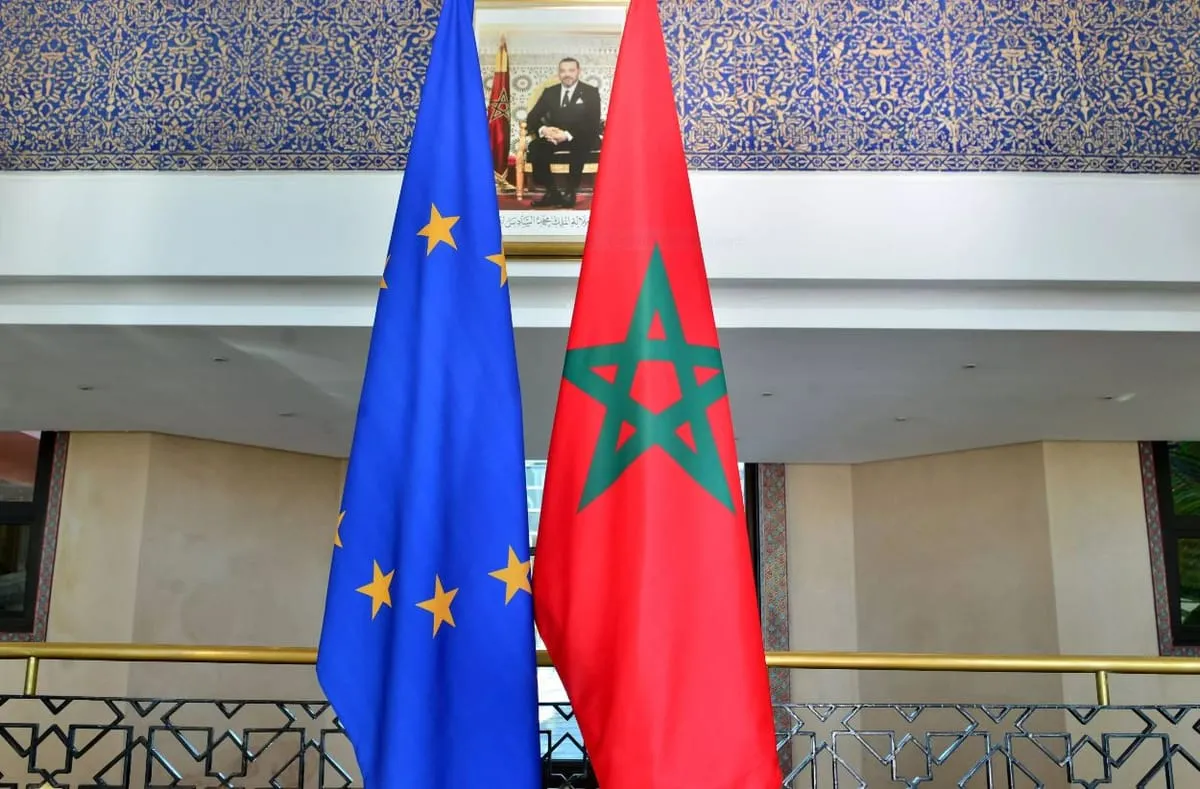
The European Union is set to enhance its economic support for Morocco by adding a new financial package to the existing 5 billion euros investment plan aimed at bolstering Rabat's border management and migration control efforts. This initiative comes in response to the heightened diplomatic tensions following a humanitarian crisis in Ceuta, where thousands of individuals from Morocco attempted to enter the autonomous city since July 30. Despite the ongoing challenges, the European Commission has maintained a 'clearly preferential' stance towards Morocco in managing migration flows, continuing a decade-long strategy of externalizing migration management through significant EU funding.
Discussions to establish this new strategic partnership between Brussels and Rabat have been in the works for several years, though recent international diplomatic disagreements regarding Western Sahara's status had stalled progress. According to sources cited by Euronews, the agreement was initially slated for signing by the end of this year, prior to the Ceuta crisis. Rather than halting negotiations, the situation has instead led to an increase in the financial allocations originally planned.
Historical Context and Financial Implications
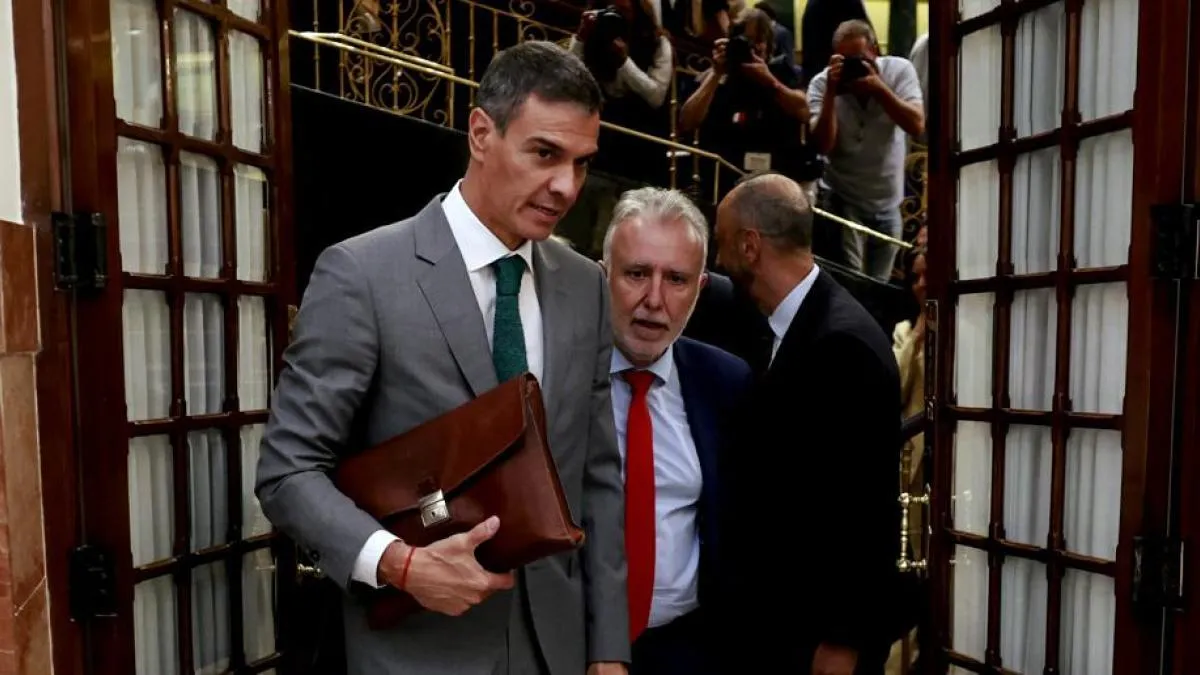
This latest financial package draws parallels with the EU's agreement with Egypt in 2024, which included 7.4 billion euros aimed at stabilizing Cairo’s economy, revitalizing the region, and enhancing migration control management. The European position was encapsulated in a letter from European Commission President Ursula Von der Leyen to Spanish Prime Minister Pedro Sánchez on August 2, where she articulated that EU services are collaborating with Moroccan authorities to create a more structured and forward-looking partnership. Von der Leyen also indicated plans to significantly enhance Morocco's border management and early warning systems, alongside increased technical and financial support.
The EU's financial contributions towards migration control in Morocco reflect a consistent budgetary policy over the past decade. Between 2014 and 2020, Brussels allocated 346 million euros specifically for reinforcing southern border surveillance. Furthermore, over 5 billion euros have been committed to comprehensive investments aimed at the economic and commercial development of the Moroccan Kingdom. Most recently, at the end of 2025, the European Commission decided to transfer an additional 160 million euros to Rabat as part of a broader regional cooperation plan valued at 675 million euros.
This latest funding, approved late last year, is part of a multi-year program designed to support the National Immigration and Asylum Strategy initiated by King Mohammed VI in 2013, which was initially presented as a 'humanitarian' regulation aimed at ensuring the rights of migrants in transit are respected. During the EU-Morocco Association Council meeting held earlier this year in Brussels, diplomatic representatives emphasized the critical importance of cooperation with Morocco in migration governance as part of a comprehensive, balanced, and mutually beneficial approach.
As reported by diariosocialista.net.