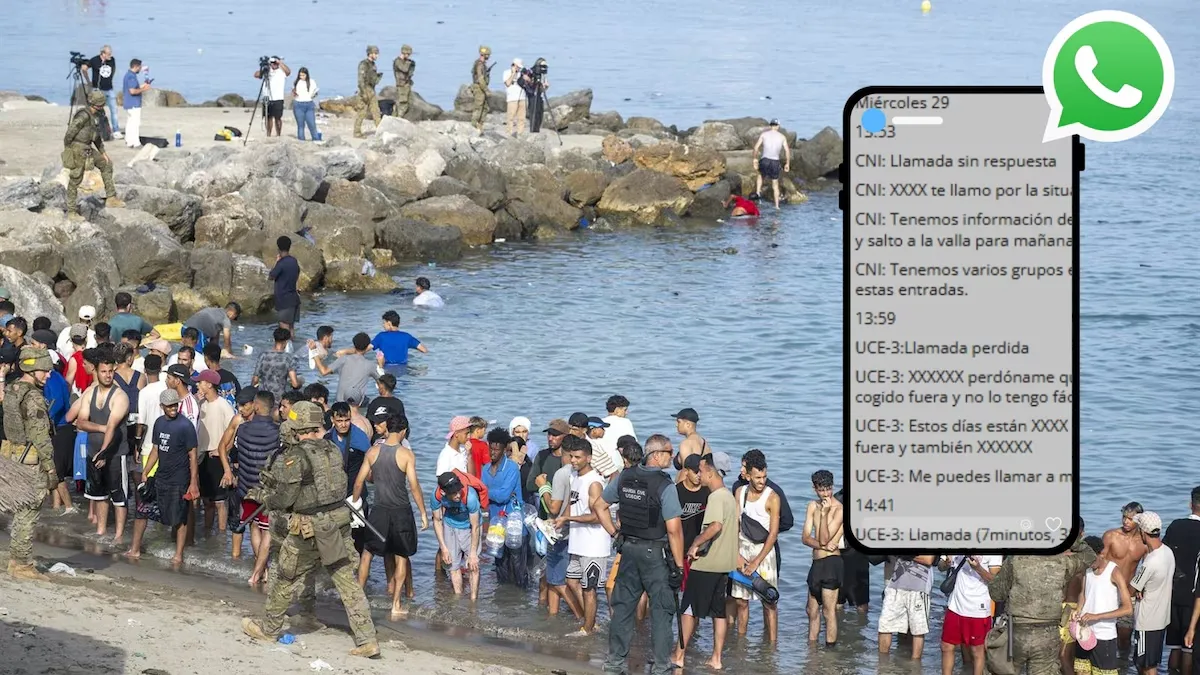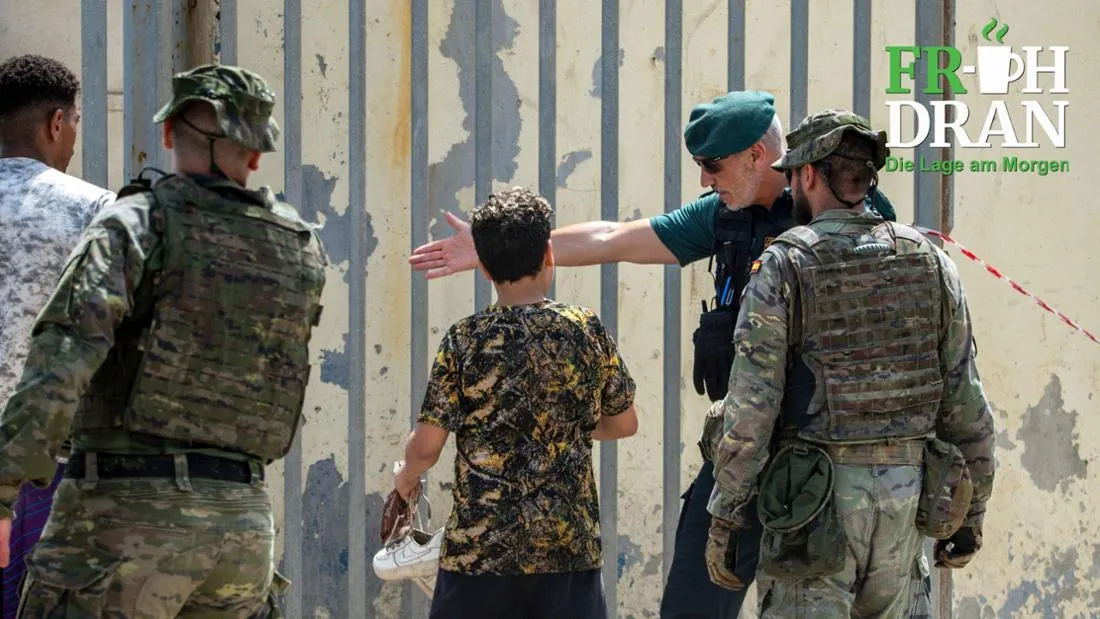

On August 4, 2026, the European Union's interior ministers convened to address the escalating crisis stemming from the Ceuta border situation, which has rapidly evolved into a significant humanitarian disaster. Over the past week, between 50,000 and 60,000 individuals crossed the border from Morocco into the Spanish exclave of Ceuta, resulting in the tragic loss of 72 lives. This unprecedented migration event has ignited intense debates within Europe regarding the responsibility and response to such crises. The meeting this Tuesday is aimed at dissecting the causes and implications of this migration surge, as well as establishing a unified approach moving forward.
Prime Minister Pedro Sánchez of Spain initiated this special session after 22 EU leaders, including German Chancellor Friedrich Merz, issued an open letter criticizing Spain's migration policies rather than expressing solidarity. This critical juncture begs the question: who is accountable for this crisis, and what are the broader stakes for Europe as a whole? The backdrop of this crisis involves a complex interplay of geopolitical tensions between Spain and Morocco, particularly following Spain's diplomatic overtures towards Algeria and its proposals to grant citizenship to residents of the disputed Western Sahara region. These actions have exacerbated tensions with Morocco, leading to a significant increase in migration attempts across the border.
The situation intensified after a ruling by Spain's highest court on July 8, which stipulated that migrants arriving in Ceuta by swimming cannot be deported without individual assessments. This legal decision, while grounded in due process, was misconstrued on social media platforms like TikTok and Instagram, leading to misinformation that the Spanish border was 'open.' Consequently, many individuals from across Morocco were encouraged to travel en masse to the border town of Fnideq, often with the tacit approval of Moroccan security forces who initially refrained from intervening.
As the EU ministers prepare for discussions, the central theme revolves around whether the EU will acknowledge that migration has been utilized as a geopolitical leverage point by Morocco or if they will continue to blame Spain for the situation. The divergence in perspectives highlights the need for a cohesive and compassionate EU-wide strategy that addresses the root causes of migration rather than scapegoating individual member states.
Ultimately, the outcome of this meeting could shape the future of EU migration policy and its approach to external border management. The current crisis is not merely a failure of security systems; it reflects broader geopolitical pressures and the need for solidarity among EU nations. As the situation develops, the European Union must navigate these complex waters carefully, ensuring that humanitarian considerations remain at the forefront of their policymaking.
As reported by fr.de.