
Calls for Enhanced Frontex Powers Amid Ceuta Crisis
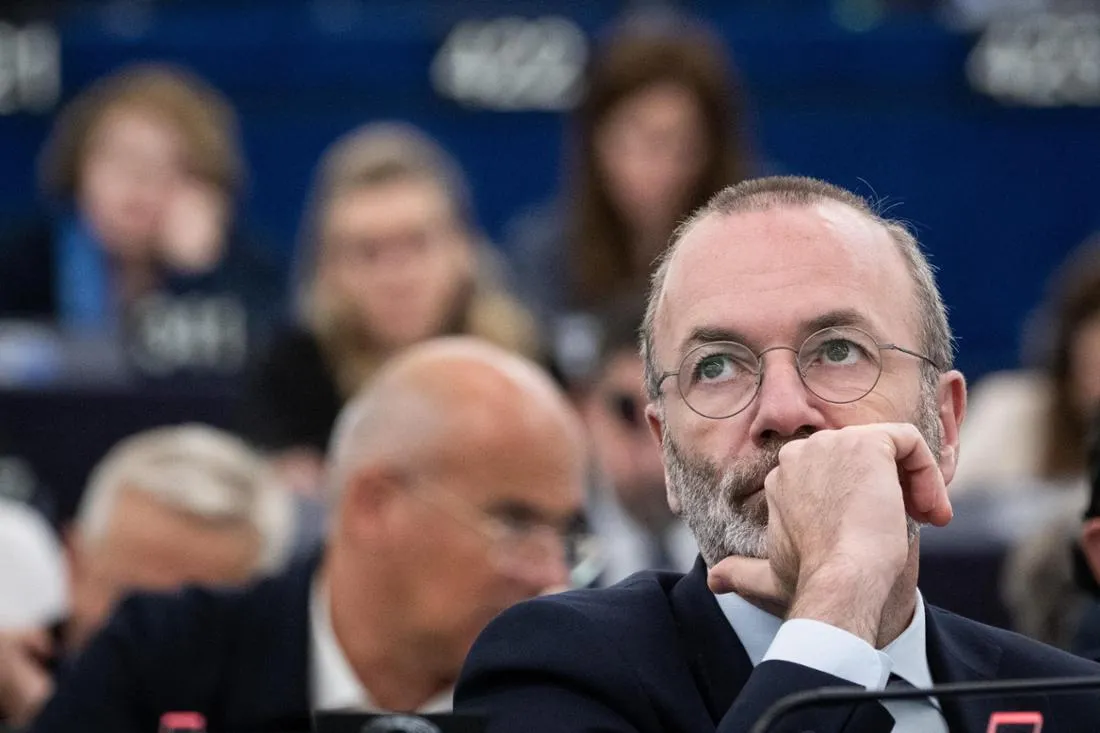
Manfred Weber, leader of the European People's Party (EVP), is advocating for expanded powers for the European Border and Coast Guard Agency, Frontex, in the wake of a significant influx of migrants from Morocco to the Spanish exclave of Ceuta. This situation has sparked intense scrutiny of Spain's migration policies and broader EU strategies. In a recent interview with the Frankfurter Rundschau, Erik Marquardt, head of the German Greens in the EU Parliament, openly criticized Weber's proposals. Marquardt emphasizes the necessity for robust agreements between the EU and African nations like Morocco, highlighting the need for a more humane and organized approach to migration. He expressed hope that German Chancellor Friedrich Merz would reconsider his initial response to the crisis, which he deemed embarrassing.
In the lead-up to a meeting of EU interior ministers regarding the Ceuta situation, some European partners even called for Spain's exclusion from the Schengen Area. However, following the meeting, EU states underscored that Spain had responded appropriately to the crisis. Marquardt questioned whether the apparent unity among the interior ministers was genuine, arguing that many had hastily issued statements without fully understanding the situation. He lamented that the response to the tragic deaths of dozens of teenagers who drowned while attempting to reach Europe was inadequate, noting that the immediate reaction from many EU politicians was to express outrage at the number of arrivals rather than addressing the root causes of the crisis.
Urgent Need for Reevaluation of EU Migration Policies
Marquardt believes that the EU must learn critical lessons from the events in Ceuta. He argues for a thorough analysis of the geopolitical pressures that led to the recent mass migration from Morocco and stresses that the EU should resist panicking in response to such crises. He points out that the narrative of a migration crisis, particularly when no one has entered the Schengen area, is often manipulated for political gain. The focus should instead be on building trust and addressing the social media misinformation that has led many young people to take dangerous paths. He advocates for strict regulations on social media platforms to prevent the spread of harmful misinformation that can endanger lives.
Marquardt emphasizes the importance of establishing new migration agreements with countries like Morocco, where high youth unemployment and poverty create a dire situation. He argues that the current EU approach, which involves financial compensation for Morocco to halt migration, creates a one-sided dependency that can backfire. Instead, he suggests that Morocco should be incentivized to prevent dangerous migration by providing legal pathways for its citizens to apply for jobs or educational opportunities in Europe, thus reducing the impetus for dangerous crossings.
In the tragic events at Ceuta, at least 72 individuals lost their lives. Proponents of stricter border control often argue that if the chances of successful crossing were lower, fewer lives would be risked. However, Marquardt criticizes this viewpoint as naive, asserting that expecting a perfect border control system is unrealistic. He challenges the notion that increasing Frontex's authority would lead to better outcomes, arguing that merely having more patrol boats would not solve the underlying issues. Instead, he insists that the EU must confront the moral implications of its border policies and stop perpetuating false narratives about migration.
Marquardt concludes by rejecting further deterrent measures, stating that the tragic loss of life during the recent crisis should serve as a wake-up call for Europe. He asserts that the EU must choose between maintaining the rule of law and succumbing to populist isolationist fantasies. The decisions made in the coming weeks and months will determine the future of migration policy in Europe and the moral standing of its governments.
As reported by fr.de.