
EU Takes Action After Migration Surge in Ceuta
In the wake of a significant influx of migrants into the Spanish exclave of Ceuta, EU interior ministers are taking decisive steps to address the situation and prevent future crises. The surge, which saw approximately 72,000 individuals crossing from Morocco to Ceuta, has prompted a critical review of the EU's migration policies and response strategies. Spanish Interior Minister Fernando Grande-Marlaska reported that approximately 70,000 of these migrants have since returned to Morocco, highlighting the need for a coordinated and effective approach to handling migration challenges across the region. Tragically, the crisis has also resulted in the loss of lives, with the death toll rising to 75 as more bodies are recovered.
Strengthening Solidarity and Preparedness
The recent events have sparked a heated debate among EU member states regarding Spain's migration policy, with many leaders criticizing the approach taken by the Spanish government. In turn, Spain has accused other EU nations of politicizing the crisis rather than offering support. The EU Commission is advocating for unity among member states, emphasizing the importance of a cohesive response to migration issues that do not undermine the newly implemented EU migration system. During an extraordinary videoconference, interior ministers commended the swift actions taken by Spanish authorities to manage the crisis in Ceuta and expressed condolences for the lives lost in the struggle to cross the border.
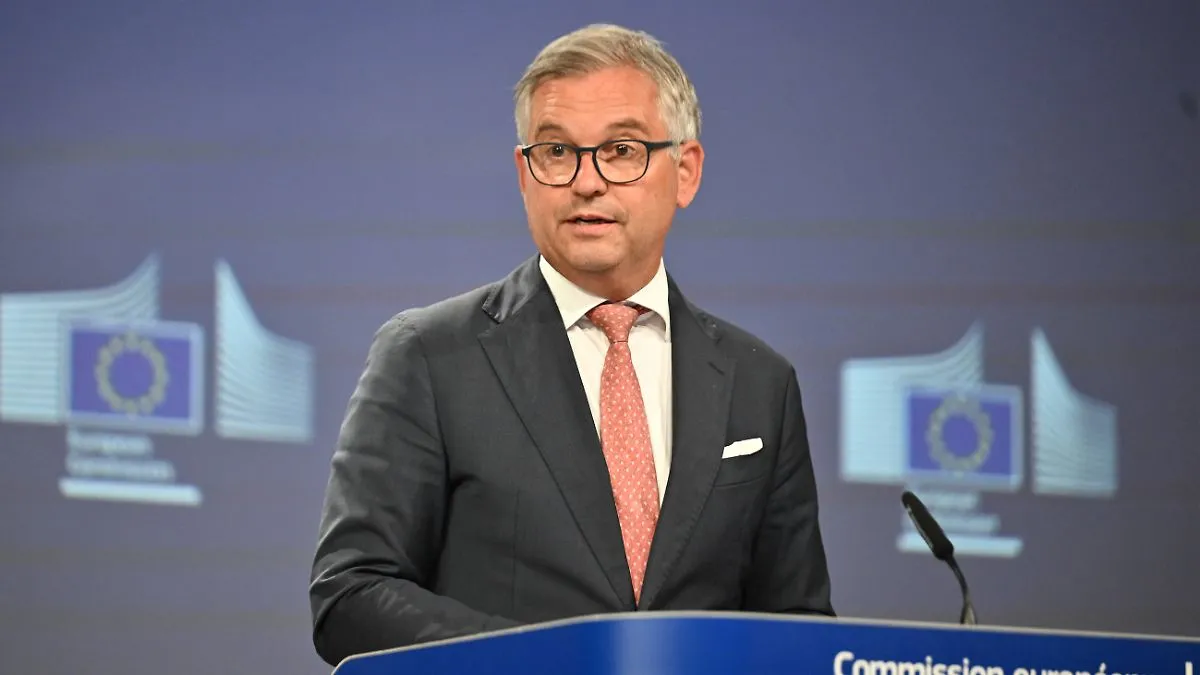
In this context, EU Migration Commissioner Magnus Brunner noted that Spain has been offered financial assistance to bolster the EU's external borders. He characterized the situation as a test that Europe has managed to pass, given that no individuals successfully entered the Schengen Area during this period of heightened tension.
Furthermore, the role of social media in the Ceuta crisis cannot be overlooked. Many migrants reported learning about the supposed open border through platforms like TikTok, where messages about available accommodations and the potential for further travel to mainland Spain circulated rapidly. To enhance the EU's preparedness for similar situations in the future, ministers are considering the development of early warning systems that involve monitoring social media trends and communications.
As reported by n-tv.de.