
The European Union's Groundbreaking Visa Policy Framework
In a historic move, the European Union (EU) has introduced a detailed roadmap for its visa policy for the first time. While previous regulations like the Visa Code and Schengen Regulation existed, they lacked a unified strategic vision across all 27 member states. This gap has now been addressed with the European Commission’s recent adoption of a foundational document outlining broad guidelines for the upcoming years. The timing of this initiative is crucial, as international mobility is increasing, security threats are evolving, and geopolitical competition is intensifying, according to the strategy document reviewed by TelQuel. Moreover, Europe is facing stiff competition in attracting global talent from countries like the United States, Canada, and Australia, prompting the EU to seek a dual approach: enhancing control over its borders while simultaneously attracting the individuals it needs for economic growth.
Key Objectives of the New Visa Strategy
The new strategy articulates four primary goals. Firstly, it aims to enhance safety by leveraging visas as a means of improved control at the external borders of the Schengen area. Secondly, it seeks to boost prosperity and competitiveness by simplifying access for tourists, business travelers, students, and skilled workers who contribute to the economy. The third objective is geopolitical in nature, positioning the EU’s visa policy as a diplomatic tool to safeguard its interests globally. Lastly, the strategy emphasizes the need for harmonization among member states, advocating for clearer and more efficient procedures. Currently, processing times and required documentation can vary significantly between consulates, causing confusion and delays for applicants.
One notable aspect of this strategy is the proposal to extend the validity of multiple-entry visas. Rather than the current five-year maximum, these visas could potentially be valid for ten years for travelers deemed reliable. This would mean that individuals with a solid visa history, no incidents, and no migration or security risks could receive long-term visas, significantly reducing the need for repeated applications. The European Commission is actively exploring options for extending these visas, including reassessments at five-year intervals and introducing new categories of long-term visas.
This development is particularly significant for Moroccan travelers who frequently visit Europe for business, family, or tourism. The reduction in costs, stress, and administrative burdens associated with visa applications could greatly enhance their travel experience.
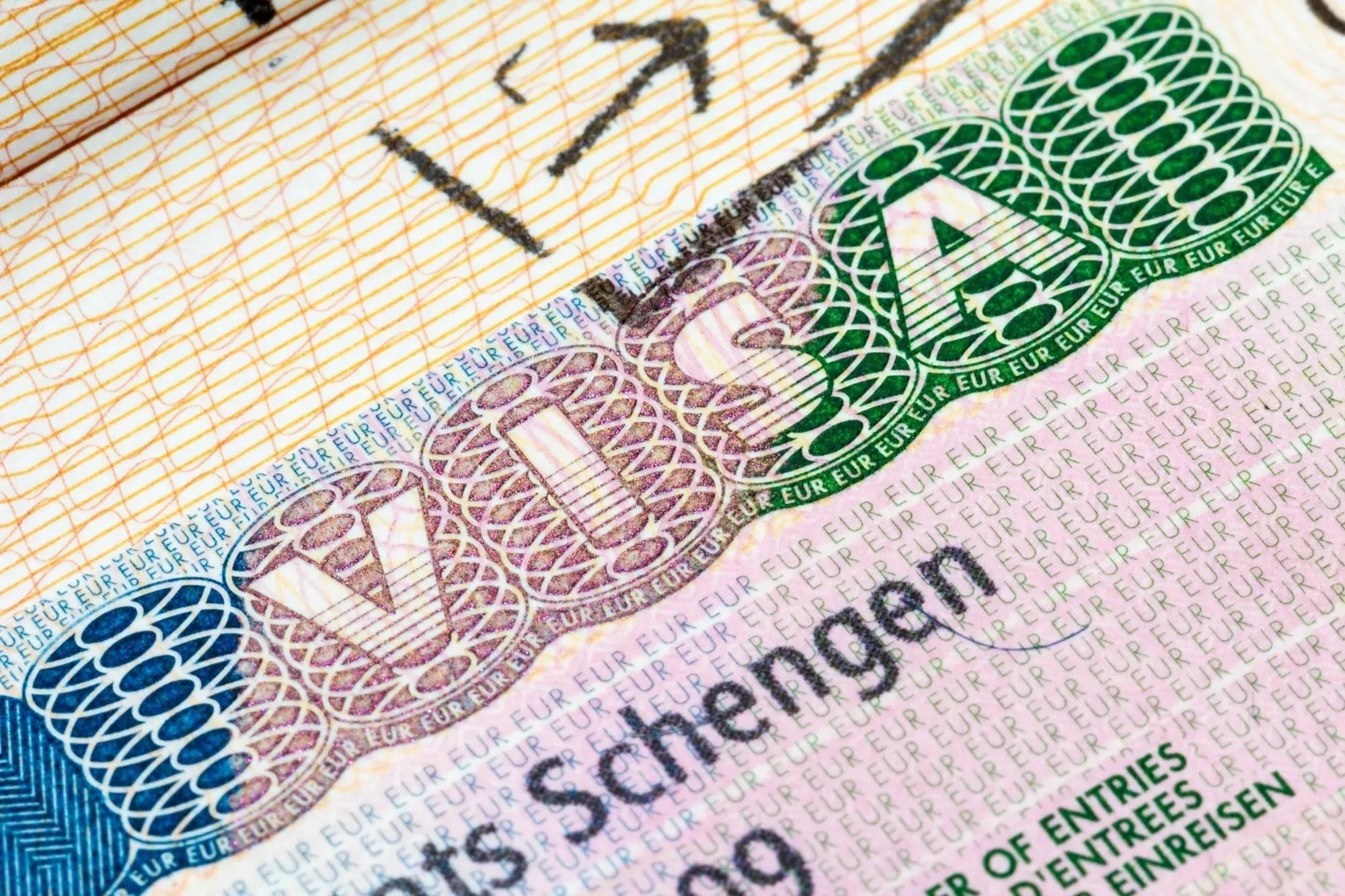
Additionally, the EU plans to digitize the visa application process, allowing applicants to complete their submissions entirely online without needing to visit a consulate. The traditional visa sticker will also be replaced by a secure digital visa, streamlining the entire process further.
A key element of this reform is the introduction of the European Travel Information and Authorization System (ETIAS), set to launch in the fourth quarter of 2026. Although this system will initially apply to nationals of visa-exempt countries rather than Moroccans, it is an integral part of the broader overhaul of European border management.
Business travelers will also benefit from these changes, as a standardized list of verified companies, including startups and high-growth firms, will be established. Employees of these companies will enjoy expedited visa application processing without the need to repeatedly verify their status or trip purpose.
Furthermore, the Commission's recommendation titled “Attracting Talent for Innovation” specifically addresses the needs of students, researchers, and skilled workers. It encourages member states to simplify and expedite long-stay visa procedures, promoting increased digitization, reduced documentation, shortened processing times, and smoother transitions from student to worker or entrepreneur statuses.
While the new European strategy does not immediately alter the rules for Moroccan applicants, it lays a clear pathway for change. Expected long-term transformations include fully online applications, long-term multiple-entry visas for well-documented travelers, expedited processing for professionals affiliated with EU partner firms, and greater consistency across consulates of different member states.
Most of these reforms are anticipated to be implemented by 2028. Until then, Moroccan applicants will continue to navigate existing procedures, which can sometimes be frustrating. However, the direction in which Brussels is heading clearly indicates a gradual simplification of processes driven by security and economic considerations.
As reported by telquel.ma.