
Understanding the Implications of the Ceuta Migration Surge
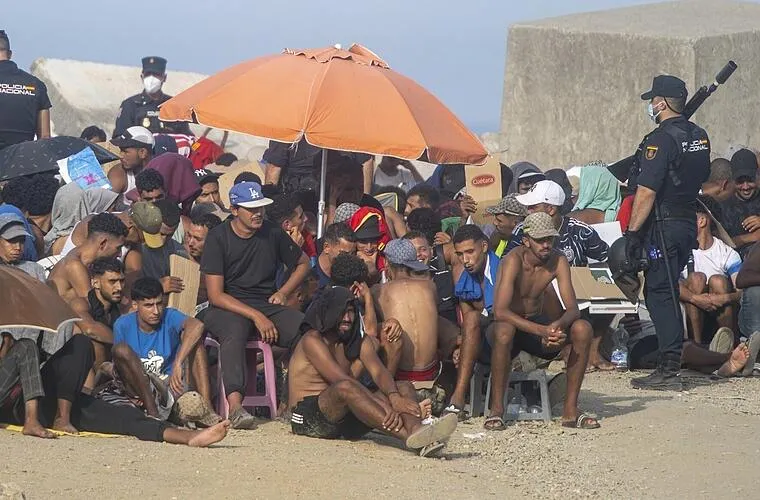
In late July, a staggering influx of approximately 80,000 individuals from Morocco arrived at the Spanish enclave of Ceuta, marking the largest surge of irregular migration witnessed in years. This unprecedented event not only shocked the local community but also prompted urgent discussions within the European Union regarding migration policies and border management. By early September, reports indicated that around 5,000 people remained in Ceuta, highlighting the ongoing challenges faced by both the migrants and the authorities managing the situation.
The images and stories emerging from this crisis have stirred a mix of emotions, ranging from horror to empathy, as the reality of human desperation became starkly visible. The immediate question raised by this situation is: what lessons can the EU draw from the Ceuta incident to prevent similar occurrences in the future? The EU has been grappling with migration issues for years, and the Ceuta crisis underscores the urgent need to reevaluate current policies and strategies. Addressing the root causes of migration, enhancing cooperation with neighboring countries, and ensuring humane treatment of migrants are essential steps that need to be taken in response to this crisis.
Policy Recommendations for Future Migration Management
In light of the events in Ceuta, EU policymakers are called to act decisively. This includes reviewing and potentially reforming the common asylum policy to ensure it is both fair and effective. Additionally, the EU must strengthen its partnerships with countries of origin and transit, aimed at establishing coordinated responses to migration challenges. This means investing in local development projects, enhancing border security without compromising human rights, and facilitating safe and legal migration pathways.
Moreover, the EU should consider implementing comprehensive training for border officials on human rights standards to ensure that all migrants are treated with dignity, regardless of their immigration status. It is also crucial for EU member states to collaborate on intelligence sharing and crisis management strategies to better prepare for potential surges in migration.
Ultimately, the situation in Ceuta serves as a stark reminder of the complexities surrounding migration and the humanitarian crisis that can unfold when borders are breached. The EU must take these lessons to heart and adopt a proactive, united approach to manage migration effectively and humanely in the future.
As reported by idowa.de.