
Strengthening Ties Between the EU and Morocco
In light of recent events, Morocco is set to receive increased funding aimed at border control and migration management following the Ceuta crisis that erupted in late July. This move is part of a much-anticipated strategic partnership agreement with Brussels, as outlined by EU officials to Euronews. The European Union is expected to finalize this comprehensive partnership agreement with Morocco by the end of the year, mirroring a similar deal signed with Egypt in 2024, which included a financial and investment package of €7.4 billion to boost the economy, manage migration, and enhance regional stability.
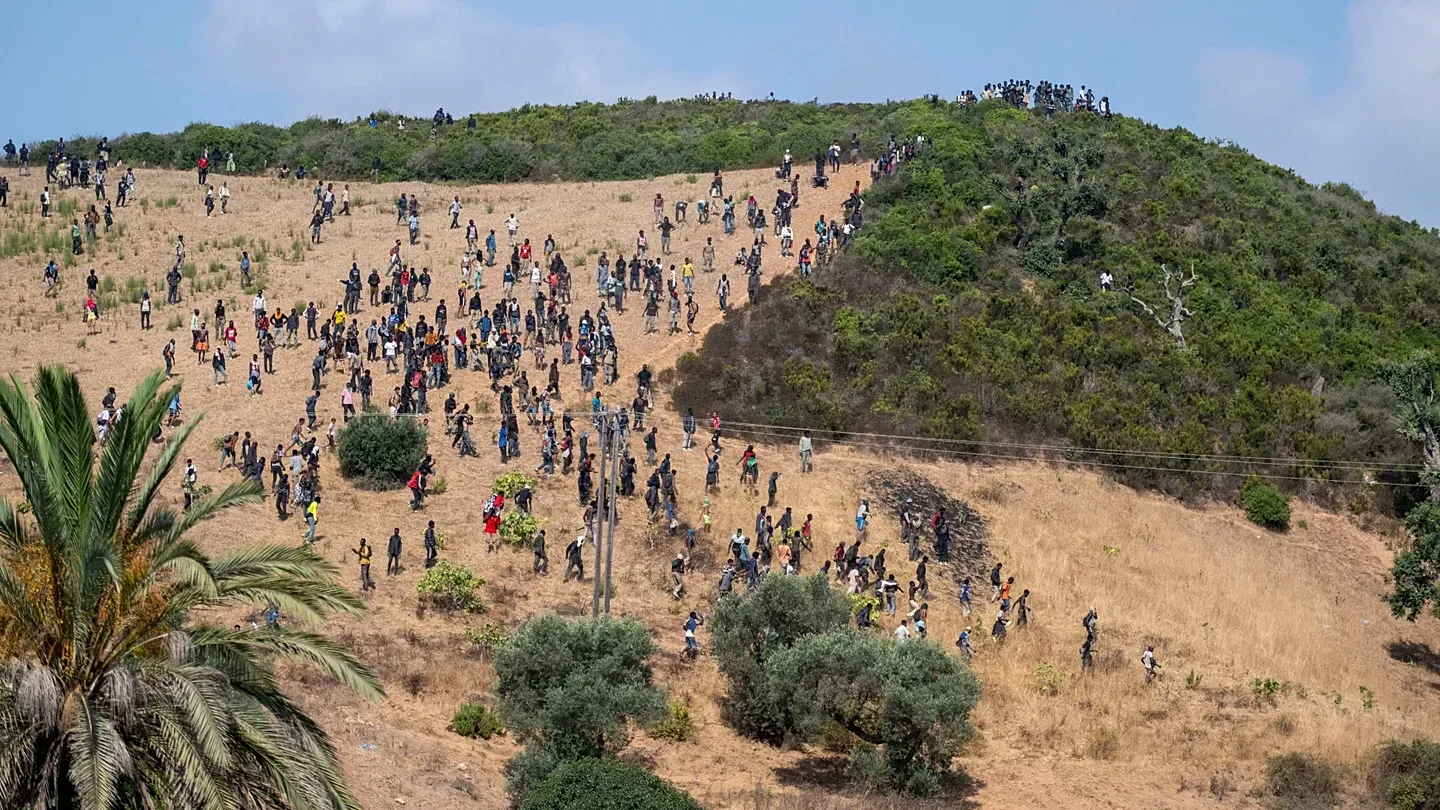
This agreement, which has been in the pipeline for several years, faced delays until early 2026 when a meeting in Brussels reignited negotiations. The hold-up was primarily due to ongoing disputes related to Western Sahara, a situation that remains unresolved. However, the urgent migration crisis, which saw approximately 72,000 individuals crossing the border irregularly with around 100 fatalities, has significantly influenced the final agreement's content and has pushed for greater cooperation and funding for border control efforts with Moroccan authorities.
Impact of the Ceuta Crisis on EU-Morocco Relations
Juan Fernando López Aguilar, a Spanish MEP and former Minister of Justice, noted that migration presents a uniquely challenging aspect of bilateral relations between the EU and Morocco, as they share the only land border between the EU and a non-European country, which is the boundary between Morocco and Spain. While EU officials assert that the Ceuta crisis did not hasten the negotiations for the strategic partnership agreement, they acknowledge that it has prompted Brussels to allocate more resources toward security, migration, and border management. López emphasized that whenever the situation becomes overwhelming, it is difficult not to consider the strategic maneuvers of Morocco.
Reports from migrants interviewed by The New York Times indicated that Moroccan authorities may have encouraged them to cross the border, a claim that Morocco denies. The fallout from the Ceuta crisis has, in fact, strengthened Morocco's position in negotiations, leading Brussels to expand the migration component of the partnership. Although the specifics of the agreement are still being finalized, EU support for migration management in neighboring countries typically falls into two main categories: assistance to border authorities, which includes training and surveillance equipment, and strengthening reception capacities, such as creating refugee camps.
Even with prior financial support for migration management, which amounted to €222 million between 2021 and 2024, and a projected additional €190 million by 2027, the Ceuta crisis highlighted the need for further action. Ursula von der Leyen, President of the European Commission, emphasized in an early August letter to Spanish Prime Minister Pedro Sánchez that stricter controls and physical barriers are necessary to prevent similar incidents in the future, advocating for a more security-focused approach in EU migration policy. She acknowledged Morocco as a crucial strategic partner, especially regarding migration issues.
The informal video conference of interior ministers convened in response to the Ceuta crisis did not explicitly address the partnership agreement with Morocco; however, the ministers collectively agreed to enhance cooperation to combat irregular migration. The EU aims to confront challenges together with Morocco and expand the existing partnership into new areas of mutual interest, emphasizing a commitment to deepening bilateral cooperation and negotiating a Strategic and Global Partnership based on a robust existing relationship.
The EU is actively developing its migration strategy with non-member countries through medium- and long-term projects aimed at addressing the root causes of irregular migration. Recent years have seen the establishment of more structured agreements with countries such as Egypt, Jordan, Mauritania, and Tunisia, in which the EU invests in various sectors, including digitalization, green policies, migration, and artificial intelligence, in exchange for partner countries reducing migrant outflows.
Despite the EU's growing strategy of extending such agreements with third countries, criticisms from civil society organizations and NGOs persist, highlighting systematic abuses and exploitation of migrants by local authorities. As Sara Prestianni, Director of Policy Advocacy at the NGO Euromed Rights, pointed out, the true lesson from the Ceuta crisis should focus on understanding why so many young individuals are willing to risk their lives to cross into Europe. This perspective should lead the EU to prioritize addressing the socioeconomic and political factors driving migration rather than adopting an even more security-focused stance that simply reinforces border management.
With already established deep ties with Morocco, including multiple ongoing cooperation programs, particularly in green policies and robust trade relations, the Spanish government has refrained from commenting on the current negotiations.
As reported by es.euronews.com.