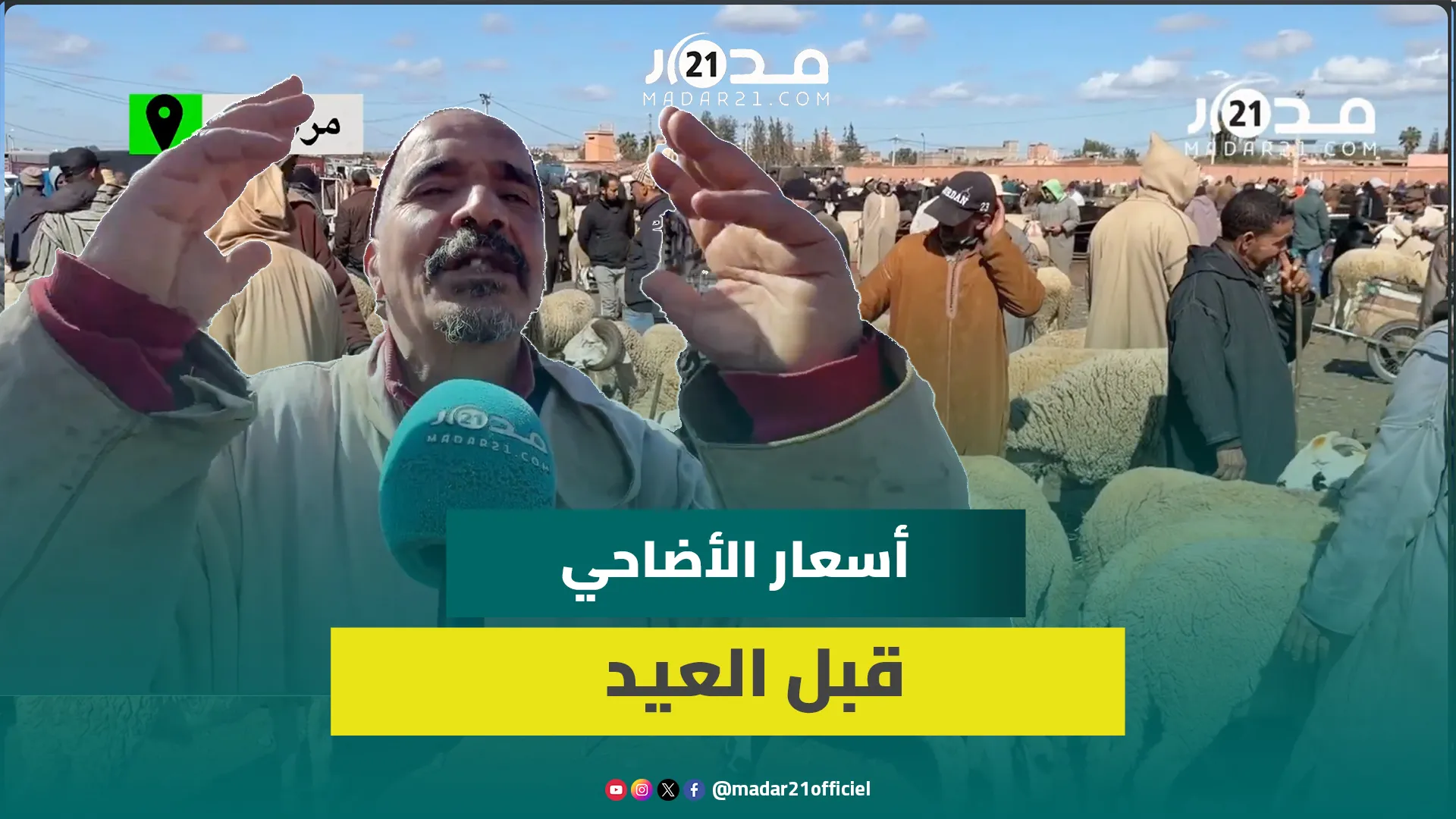

Experts Dismiss Connection Between Iran's War and Livestock Prices
In a recent statement, local livestock farmers firmly asserted that the ongoing conflict in Iran bears no influence on the current prices of sacrificial animals. Instead, they projected that upcoming rainfall would play a significant role in reducing these prices across the region. This assertion comes amidst rising concerns regarding the economic impact of international conflicts on local markets.
The farmers’ confidence stems from their deep understanding of how seasonal weather patterns affect livestock availability and pricing. Historically, increased rainfall tends to enhance pasture conditions, thereby improving the overall health and weight of the animals available for sacrifice during religious observances. As such, the farmers believe that the expected precipitation will not only boost livestock health but also lead to a decrease in market prices, benefiting consumers.
In light of these insights, it is evident that local livestock markets are more directly influenced by environmental factors than by geopolitical events. The farmers emphasized that while global issues may seem pertinent, they have observed a consistent pattern where local agricultural conditions and seasonal changes exert a far greater impact on their pricing strategies and market dynamics.
This perspective encourages consumers to remain optimistic about the forthcoming season, as the combination of favorable weather and proactive livestock management strategies may lead to more affordable prices for sacrificial animals. The focus now shifts towards monitoring weather patterns and preparing for the upcoming religious festivities with a hopeful outlook on costs.
As reported by madar21.com.