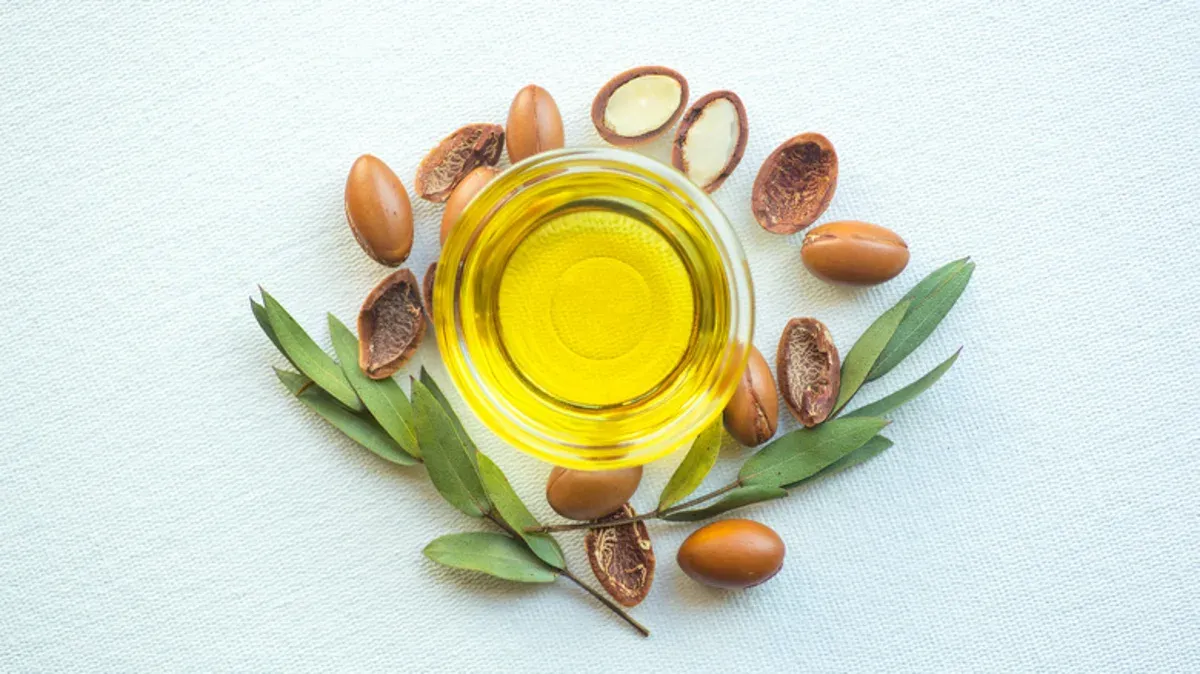

Understanding Argan Oil: Origin and Production
Argan oil, often referred to as "liquid gold," is a highly coveted cooking oil derived from the nuts of the Argan tree, which is native to Morocco. This unique oil has gained immense popularity not only for its rich flavor but also for its numerous health benefits. The production process of argan oil is labor-intensive, as it involves harvesting the nuts, which are then cracked open by hand to extract the oil. The traditional method of producing argan oil has been passed down through generations, primarily by local women’s cooperatives, which helps in promoting sustainable practices and empowering the local community.
Culinary Uses of Argan Oil
Cooking with argan oil can elevate your dishes, thanks to its nutty flavor and aromatic qualities. It is best used as a finishing oil, drizzled over salads, grilled vegetables, or pasta to enhance the dish's taste without compromising its delicate flavor. Additionally, argan oil can be paired with balsamic vinegar for a delicious salad dressing or used as a dip for bread, offering a unique alternative to more common oils. Its versatility extends to baking as well, where it can replace other oils in recipes to impart a distinct taste. When incorporating argan oil into your cooking, this luxurious oil not only enhances the culinary experience but also adds nutritional value, being rich in essential fatty acids and antioxidants.
As reported by yahoo.com.