
Morocco, a nation rich in history and culture, has endured the impacts of French and Spanish colonization, which resulted in significant territorial fragmentation. Recognizing this complex legacy, both the Moroccan government and international stakeholders have actively sought to rectify the injustices of the past, affirming Moroccan sovereignty and advocating for an autonomy plan that serves as a viable political solution to the ongoing territorial dispute.
Recently, the European Union has expressed its support for this autonomy initiative, with numerous European nations expanding their political, diplomatic, economic, and cultural ties to Morocco's southern provinces. This engagement includes substantial investments in the Sahara, reflecting a commitment to a transformative development model with a financial framework exceeding $10 billion. Such initiatives underscore the potential for economic growth and stability in the region.
The nation hosting the Tindouf camps can no longer evade its obligations in this matter. The UN Security Council has identified it as a crucial player in the quest for a political resolution, which should be anchored in the autonomy plan under Moroccan sovereignty, as articulated in the historic Resolution 2797. The unfounded assertions aimed at distancing from this framework hold little political credibility, particularly in light of the robust support the autonomy plan receives from a majority of UN member states, which affirm the Moroccan identity of the Sahara.
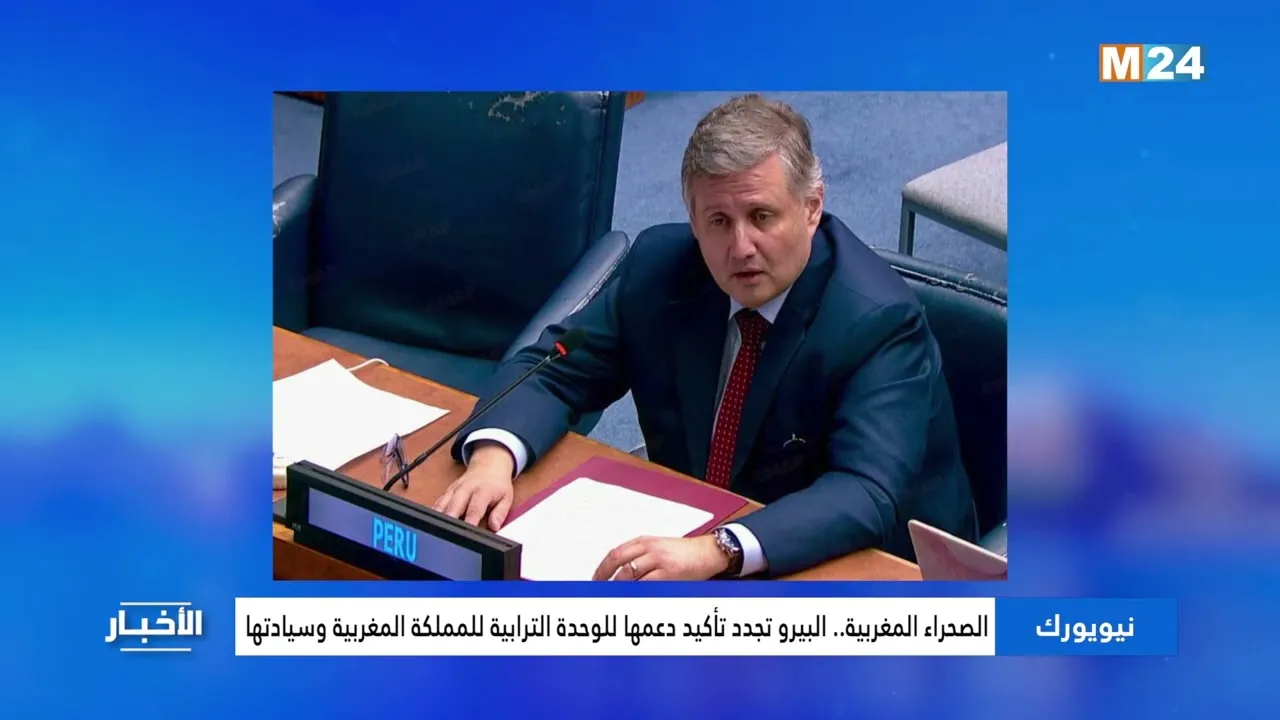
Moreover, the dwindling number of countries that previously recognized the Polisario Front are beginning to withdraw their support, aligning instead with the growing international consensus that champions the territorial integrity of Morocco. Countries such as Peru, Panama, Bolivia, Colombia, Ecuador, Chile, and several African nations, including Ghana, Mali, and Kenya, have joined this broad coalition, signalling a significant shift in diplomatic recognition.
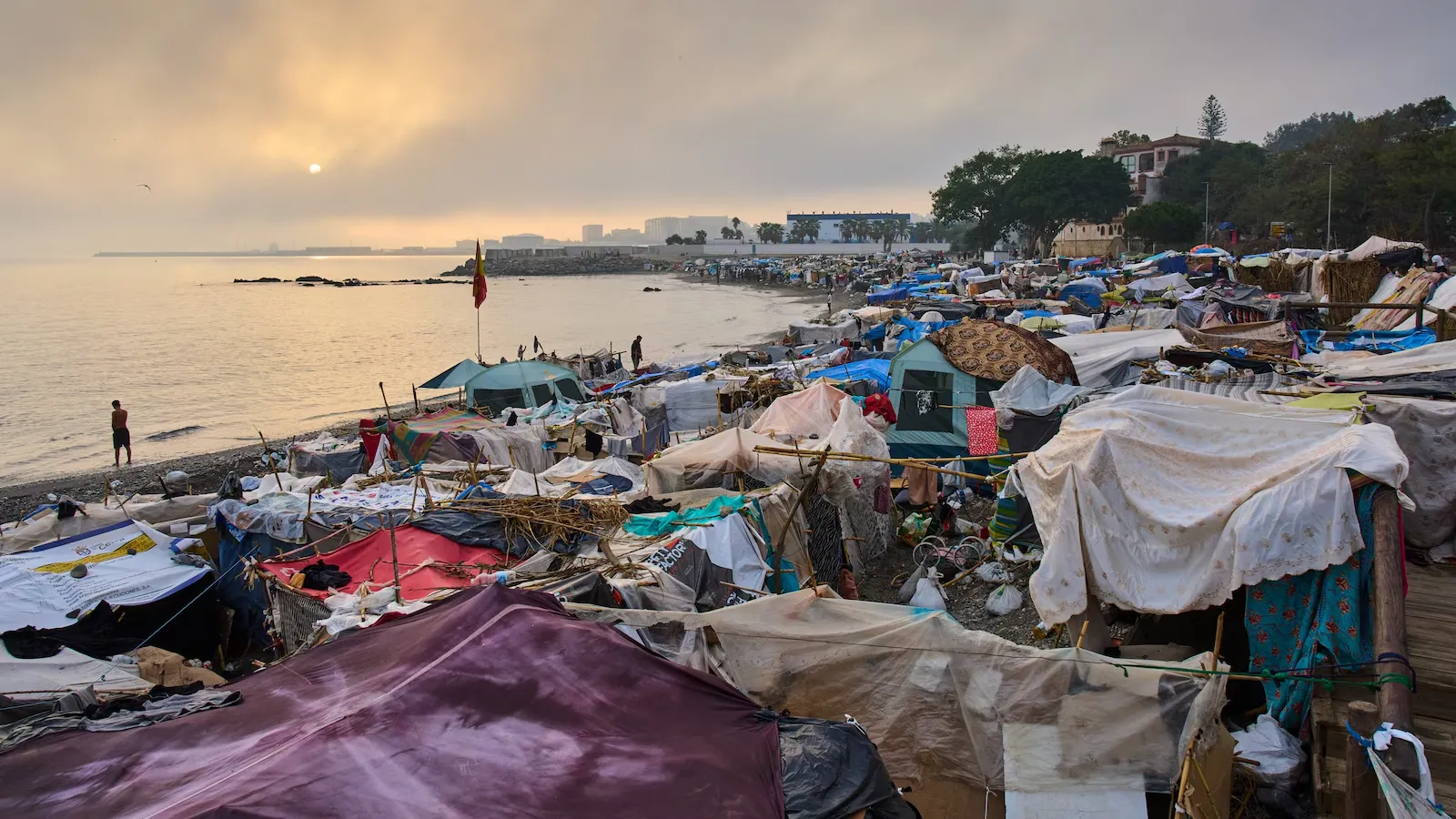
Resolution 2797 presents a pivotal opportunity for the host country of the Tindouf camps to initiate a permanent dismantling of these camps and cease all forms of financial, military, and diplomatic backing for the Polisario Front. The current trajectory of the Polisario is increasingly alarming, as it draws closer to associations with terrorist organizations operating in the Sahel region. Notably, figures such as Lehbib Ould Said Ould Jumani, the founder of the Islamic State in the Greater Sahara, and his successor have roots in the Polisario leadership and were trained within these camps.
It is imperative for the UN Commission on the Sahara and the international community to apply effective pressure on Algeria to engage in meaningful negotiations with Morocco regarding the implementation of the autonomy plan. Such discussions are crucial for resolving this longstanding dispute, offering hope for a population that has lived without proper identification and faces a bleak future. Ultimately, fostering these negotiations could pave the way for the revival of a United Arab Maghreb, fostering genuine prosperity and collaboration among the peoples of North Africa.
As reported by atalayar.com.