Uncommon Occurrences of Neonatal Meningitis at Marrakech University Hospital
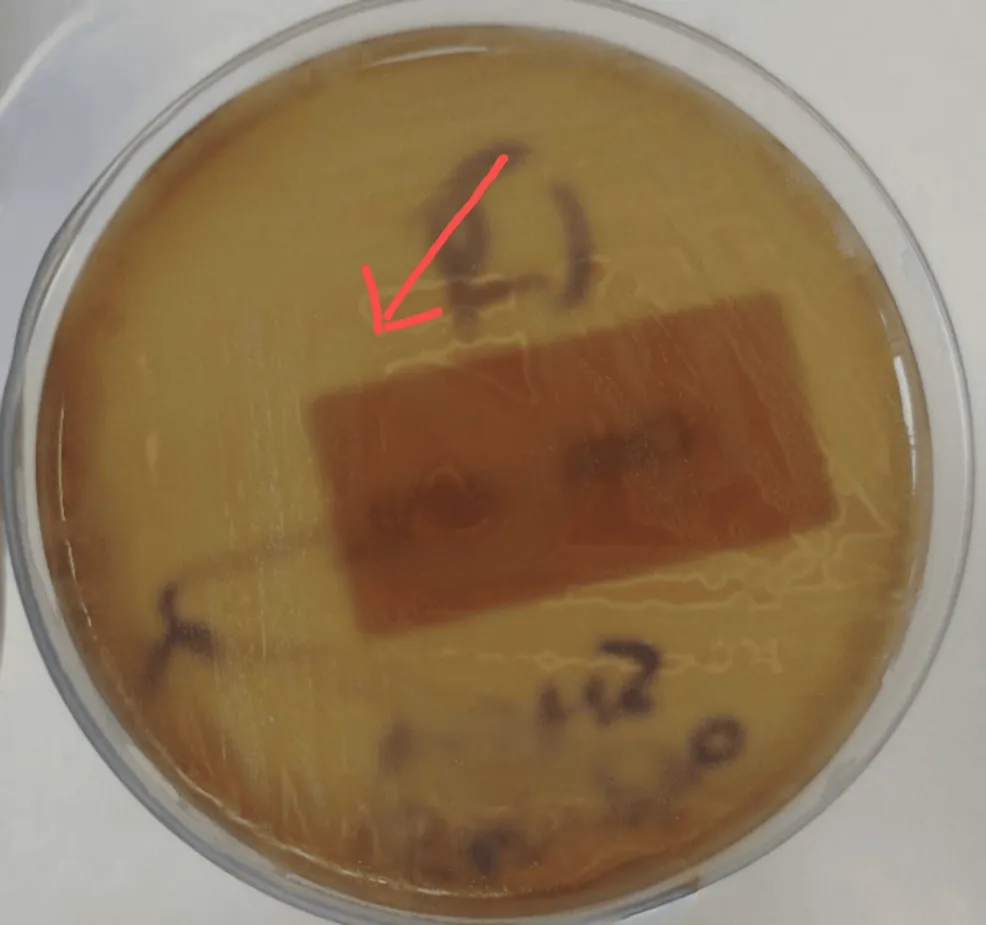
In a remarkable medical case study, two newborns were diagnosed with neonatal meningitis caused by the bacterium Globicatella sanguinis at the Marrakech University Hospital. This rare occurrence sheds light on the complexities and challenges of diagnosing and treating neonatal infections. Globicatella sanguinis, a pathogen less frequently associated with neonatal meningitis, requires careful consideration when evaluating infant patients, especially those presenting with symptoms of infection. The significance of early diagnosis and appropriate therapeutic interventions cannot be overstated, as they are crucial for improving outcomes in affected infants.
Diagnosis and Therapeutic Approaches
The diagnosis of meningitis in neonates typically involves a combination of clinical assessment, laboratory tests, and imaging studies. In these cases, the healthcare team utilized advanced diagnostic techniques to identify Globicatella sanguinis as the causative agent, which is not commonly encountered in clinical practice. Treatment strategies were tailored to the specific needs of the patients, focusing on effective antibiotic therapy to combat the infection while also addressing any potential complications associated with neonatal meningitis. The successful management of these cases underscores the importance of healthcare professionals being vigilant and knowledgeable about atypical pathogens that can lead to severe infections in vulnerable populations such as newborns. This case study serves as a vital reminder of the evolving landscape of infectious diseases in neonates and emphasizes the need for ongoing research and education in pediatric medicine.As reported by cureus.com.