
World Cup 2030: A Strategic Showdown Between Morocco and Spain
As the countdown to the 2030 FIFA World Cup begins, the competition to host the final match is heating up, not just in terms of logistics but also in the complex web of influence that intertwines the host nations. Morocco and Spain are currently engaged in a strategic battle, vying for the prestigious honor of being the venue for the World Cup final. This showdown is particularly notable as Morocco, Spain, and Portugal have been selected to co-host the centennial edition of the tournament, marking a significant moment in football history.
The discussions regarding the final’s venue are ongoing, with several stadiums under consideration, including the future Hassan II Stadium in Benslimane, located near Casablanca, and the iconic Santiago Bernabéu Stadium in Madrid. The decision, however, is far from purely technical. It encompasses a range of factors, including diplomatic relationships, logistical capabilities, and the influence exerted by each nation within the corridors of FIFA.
While Morocco is making substantial investments in infrastructure and stadium development to enhance its appeal as a host, Spain is leveraging its historical football legacy and established facilities to reinforce its bid. The competition is not merely a contest of physical locations but also a reflection of broader geopolitical dynamics, with both nations keen to showcase their capabilities to the world.
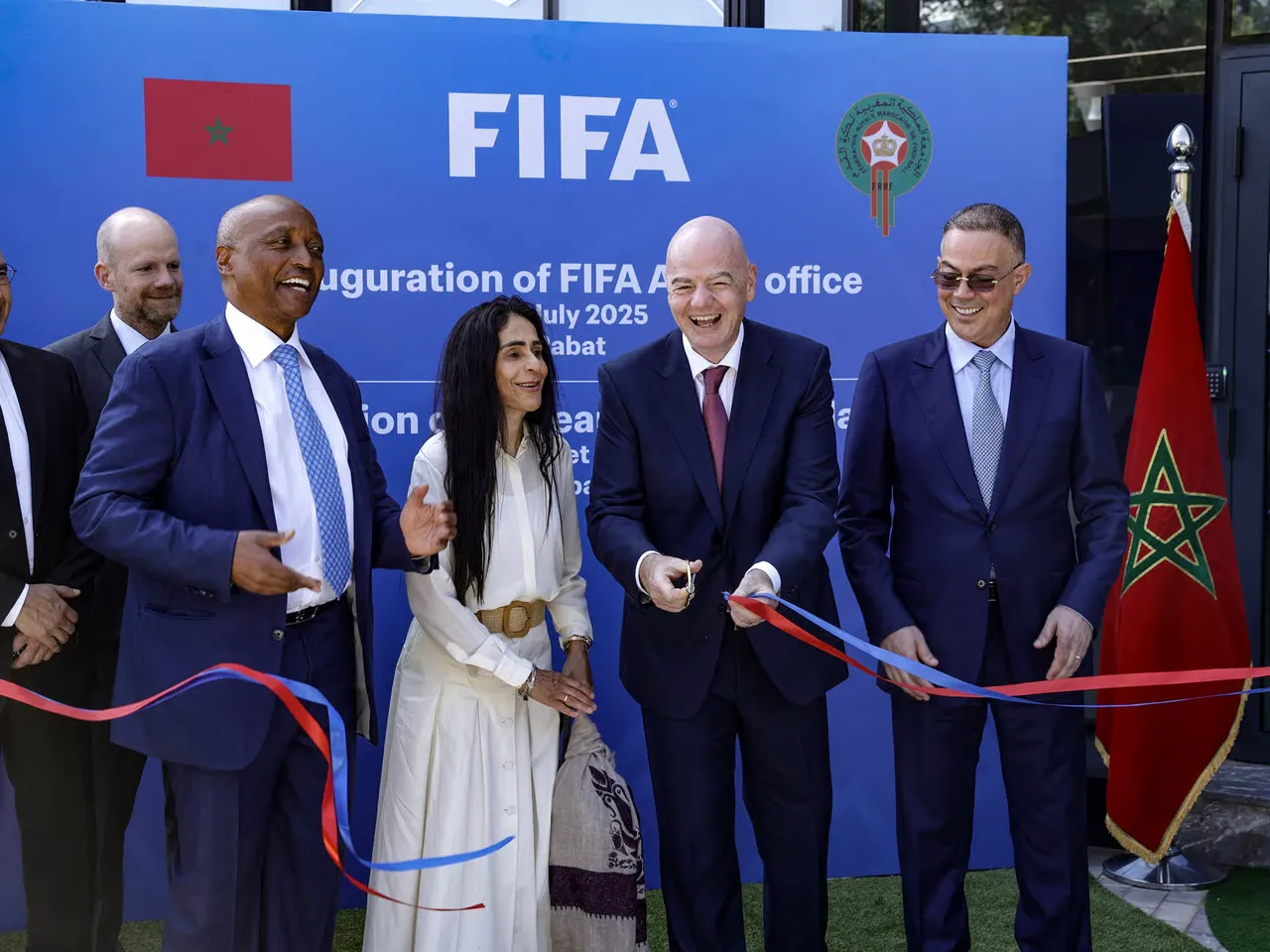
With just four years remaining until the tournament, the rivalry between Rabat and Madrid symbolizes more than just a sporting event; it encapsulates the aspirations of both nations to assert their regional influence and engage with the global football community. As discussions continue, the landscape of international football governance and diplomacy will be keenly observed by fans and analysts alike.
As reported by jeuneafrique.com.