
The Rising Interest in Kaf al-Ghar Cave
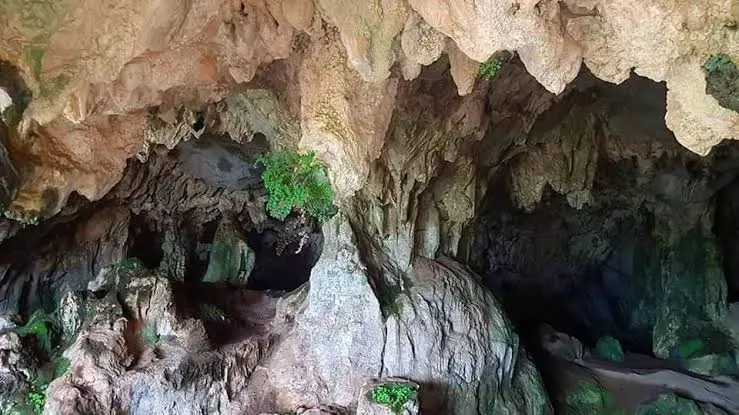
The Kaf al-Ghar Cave, located in the Taza region, is increasingly capturing the attention of experts in speleology and geology. An Italian specialized website has highlighted the natural and scientific value of this karstic site, which lies within the Fes-Meknes region. This cave is not merely a natural cavern; it represents a promising area for scientific research and the study of the geographical evolution of the region due to its unique geological, archaeological, and environmental attributes.
Field operations have revealed advanced karst formations, exposed geological layers, and active hydrological systems. Additionally, a variety of mineral formations have developed within the cave over extensive time periods. These characteristics provide researchers with the opportunity to investigate the geological processes that have shaped the area and to comprehend the evolution of the karst landscape in the Taza province, thereby granting the site significant scientific value.
Historical Context and Cultural Significance
However, the importance of Kaf al-Ghar extends beyond its geological significance. The available data suggests evidence of human settlement and artifacts within the site, opening avenues for studying the historical relationship between humans and the subterranean environment of the region. This intermingling of nature and history adds an extra layer of value from both tourism and cultural perspectives, particularly in light of the growing interest in geological tourism and unconventional natural sites.
The rediscovery of the scientific significance of such locations raises questions regarding the appreciation of natural and cultural heritage in the Fes-Meknes region. This appreciation should not only focus on tourism promotion but also on the protection of sensitive sites and the facilitation of specialized scientific research. The emphasis on Kaf al-Ghar comes at a time when discoveries and research related to Moroccan karst sites and caves are on the rise, potentially positioning Taza to transform this natural and geological wealth into a new element of scientific and tourist attraction.
As reported by fes24.com.