The Impact of Mohammed V on Morocco's Path to Independence
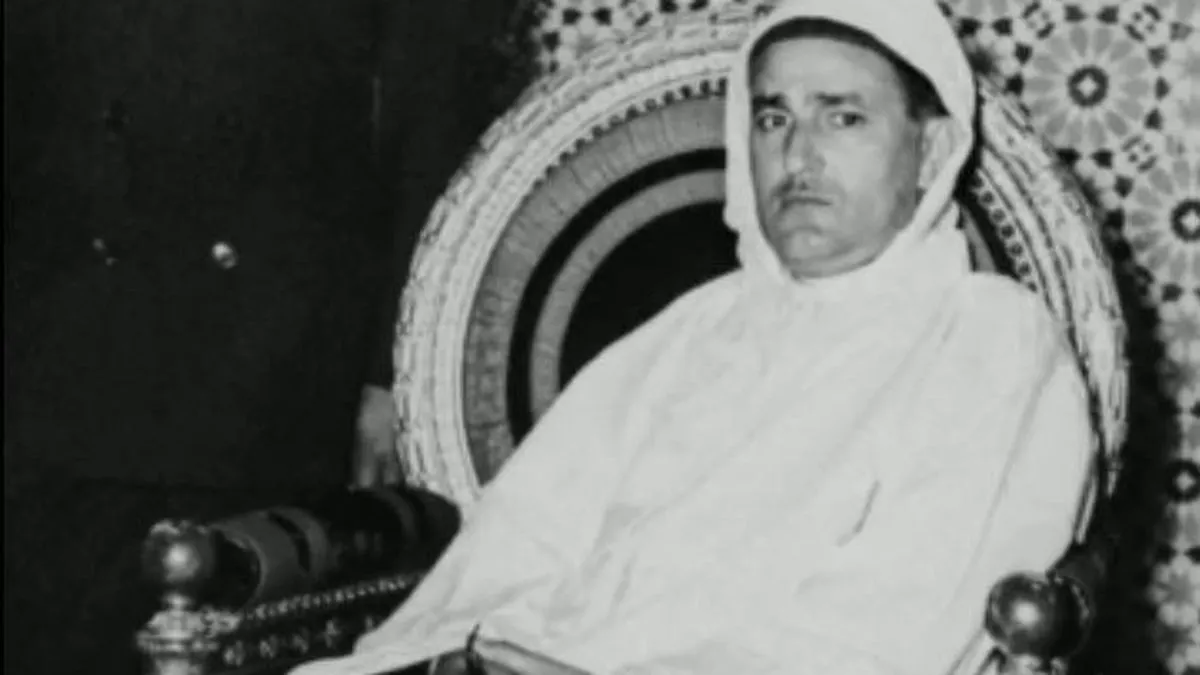
In a compelling documentary titled "Mohammed V, Father of Moroccan Independence," aired by France 5 to commemorate the 70th anniversary of Morocco's independence, the extraordinary journey of Sultan Mohammed V, who became a pivotal figure during the decolonization of his country, is vividly illustrated. Born Sidi Mohammed ben Youssef, he was unexpectedly thrust into leadership at the tender age of 18, following the death of his father, Sultan Moulay Youssef, in 1927. The French authorities, seeking to maintain colonial power, handpicked him as a malleable ruler, expecting his youth and demeanor to facilitate their control over Morocco, which had been under French protectorate since 1912. However, as the documentary unfolds, it becomes clear that the narrative of a compliant sultan was about to be rewritten.
Initially, Sidi Mohammed ben Youssef adhered to the demands of the French state, which promised to respect local traditions and allow him to retain his religious authority and manage domestic affairs. Yet, the reality was starkly different, as French colonial powers overstepped their bounds, asserting dominance in all areas of governance. This led to significant discord, particularly around 1930, when the controversial "Berber Dahir" decree was imposed. This law aimed to undermine the authority of the sultan over the Berber tribes, allowing French courts exclusive jurisdiction over crimes committed in their regions. The Berber community, predominantly Muslim, vehemently resisted this infringement, perceiving it as a direct threat to their religious practices and cultural identity, sparking widespread protests and igniting a unified national sentiment against colonial rule.
The Transformation of a Sultan into a Symbol of Resistance
As World War II unfolded, Mohammed V's stance evolved dramatically. He boldly rejected the Vichy regime's directives, marking a significant departure from his previous compliance with French authority. The sultan began to embrace the role of a nationalist leader, culminating in a landmark manifesto in 1944 that openly called for Morocco's independence. Although initially silent, his pivotal speech in 1947 during a visit to Tangier signaled his support for nationalist movements, galvanizing the populace against increasingly harsh French repression. His refusal to follow orders from Paris and his challenge to colonial authority led to his eventual exile in 1953 after being deposed. This exile further fueled the flames of resistance among Moroccan nationalists, leading to heightened violence against colonial forces.
In response to escalating unrest and a deteriorating situation in neighboring Algeria, the French government, under Edgar Faure’s leadership, opted for negotiation rather than force. After intense discussions with various Moroccan political and religious factions, it was decided to reinstate Mohammed V in 1955, contingent on the restoration of sovereignty. This pivotal moment culminated in the signing of the treaty that officially ended the French protectorate on March 2, 1956. Mohammed V ascended as the king of an independent Morocco, forever etching his legacy as the father of Moroccan independence.
As reported by franceinfo.fr.