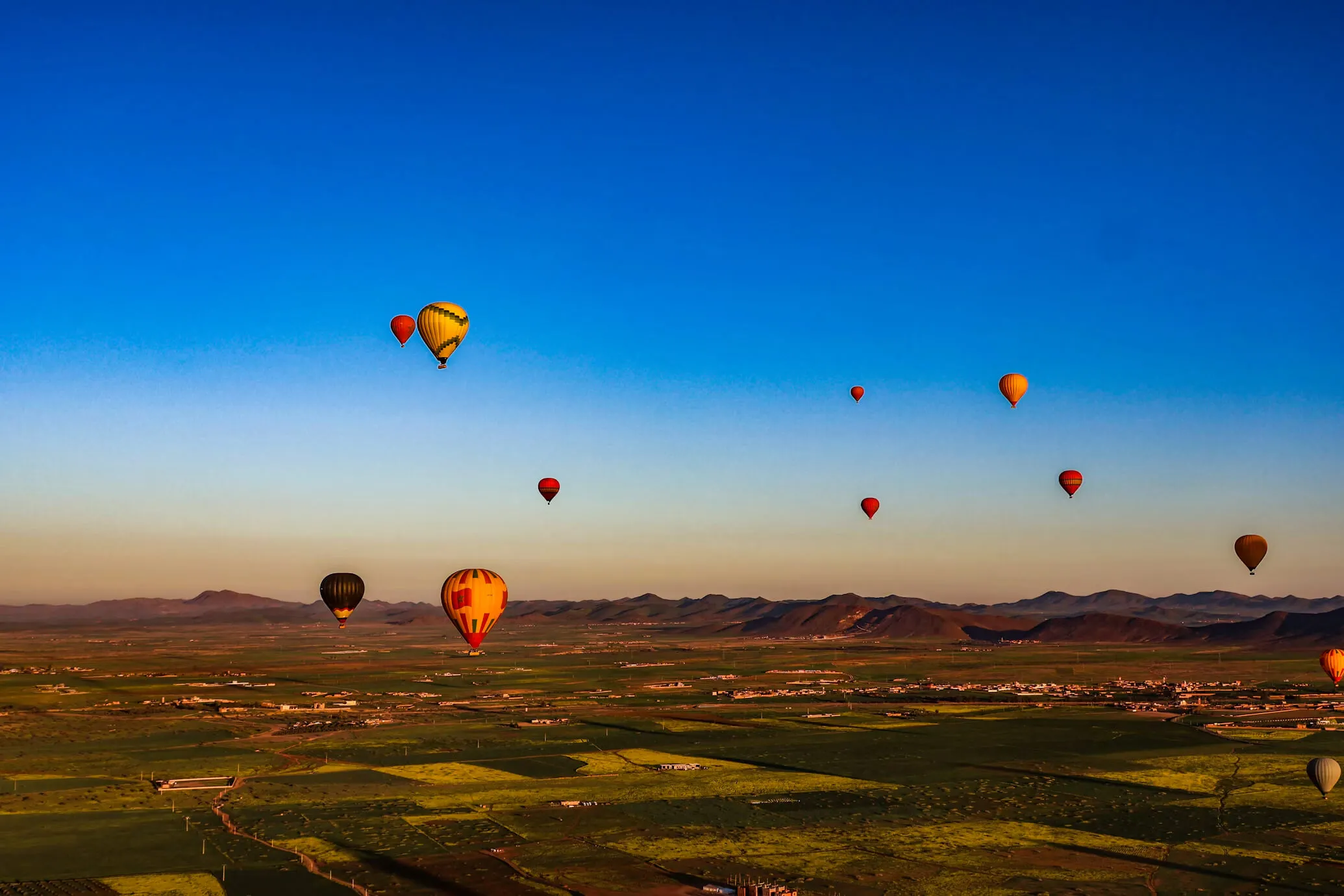

Morocco's vibrant allure, often showcased through its terracotta rooftops, intricate mosaics, and bustling souks, transcends the picturesque confines of its historic medinas. The cities of Marrakech and Casablanca are now emerging as two contrasting yet complementary destinations, each offering unique experiences that appeal to photographers and travelers alike. Marrakech, with its ochre-hued buildings and traditional riads, captivates with its labyrinth of narrow streets and atmospheric rooftop views, while Casablanca presents a modern urban landscape facing the Atlantic, characterized by its wide boulevards and contemporary architectural marvels. This juxtaposition not only enriches the visual tapestry of Morocco but also provides a fascinating journey for those keen on capturing the diverse essence of Moroccan city life.
Connecting Two Iconic Cities for an Unforgettable Experience
The contrasting characteristics of Marrakech and Casablanca enhance the travel experience, making a visit to both cities rewarding. After immersing oneself in the historic charm of Marrakech, the transition to Casablanca introduces a refreshing change in pace, shifting from the intimate atmosphere of traditional courtyards to the expansive vistas of the Atlantic Ocean. Opting for the train journey between these two cities is not only practical but also convenient, as Morocco's railway network efficiently connects major urban centers, allowing travelers to bypass the complexities of city traffic. Passengers should verify current train schedules and journey durations to ensure a seamless travel experience. Allocating sufficient time to explore both destinations is crucial; Marrakech invites leisurely exploration of its intricate architecture, while Casablanca encourages a flexible schedule that accommodates visits to its famed mosque, vibrant waterfront, and diverse architectural districts. Rushing through either city risks overlooking the subtle details that render photographs memorable and impactful.
Capturing the Essence of Marrakech and Casablanca
For those planning their transportation independently, exploring options through services like Rail Ninja can facilitate smooth train connections and ticket arrangements. Marrakech is easily recognizable by its striking color palette, with its reddish walls, ornate wooden doorways, and intricately designed zellige tiles creating a rich tapestry that is particularly photogenic. The city's medina serves as a natural starting point for capturing its traditional architecture, particularly in bustling Jemaa el-Fnaa, which evolves dramatically from morning vendor setups to vibrant evening festivities. Nearby rooftop cafés offer photographers stunning vantage points to capture the square's animated atmosphere against the backdrop of Marrakech's unique rooftops. Additionally, the city’s riads, characterized by their serene internal courtyards adorned with fountains and lush greenery, provide another layer of visual appeal and are often converted into guest accommodations, allowing visitors to experience traditional Moroccan architecture firsthand. Beyond the medina lies the Majorelle Garden, a striking garden that contrasts Marrakech's typical aesthetic with its vivid blue structures and tropical greenery; given its popularity, advance reservations are advisable to ensure entry.
In contrast, Casablanca showcases a modern interpretation of Moroccan life, featuring broad boulevards, Art Deco architecture, and scenic oceanfront views. Its expansive urban layout and architectural diversity are particularly inviting for photographers drawn to contemporary cityscapes. The iconic Hassan II Mosque stands as a testament to Moroccan craftsmanship, offering breathtaking photographic opportunities with its majestic minaret set against the sea and sky. The Corniche area, especially around Ain Diab, fosters a laid-back coastal ambiance, where cafes and promenades invite visitors to relax while enjoying the ocean's rhythmic waves. As the sun sets, the changing light creates a dynamic atmosphere perfect for capturing the city's essence. Moreover, exploring Casablanca's city center reveals a tapestry of Art Deco buildings that narrate the city’s architectural evolution, while local cafes and bustling corners provide authentic glimpses into everyday life. Rather than merely passing through, travelers are encouraged to dedicate time to uncover the complexities of Casablanca beyond its business-centric reputation.
Ultimately, crafting a photogenic itinerary does not necessitate advanced equipment; even a smartphone can effectively capture the vibrancy of Marrakech's markets and the architectural beauty along Casablanca’s coastline. Understanding optimal times for photography is essential; early mornings in Marrakech are ideal for quieter streets, while late afternoons energize the atmosphere in Jemaa el-Fnaa. Casablanca’s waterfront is best experienced at various times throughout the day, as the quality of light shifts dramatically with weather changes. Respecting local customs is paramount, especially in markets and religious sites, where permission should be sought for close-up portraits, and photography restrictions must be observed. Comfortable footwear is essential for navigating the uneven streets of Marrakech and the expansive distances of Casablanca. Staying hydrated and protecting against the sun’s heat are also vital, alongside allowing time for leisurely café breaks amidst sightseeing.
In conclusion, Marrakech and Casablanca offer more than picturesque photo opportunities; they embody the rich contrasts of Morocco, where historic traditions coexist with modern urban life. Marrakech invites exploration and appreciation of intricate craftsmanship, while Casablanca presents a vibrant urban rhythm shaped by oceanfront landscapes and architectural diversity. Together, these cities create a compelling itinerary for travelers seeking a rich and varied Moroccan experience. The photographs may immortalize the terracotta walls, azure skies, and ocean waves, yet the true essence lies in the unique interactions and experiences that these two cities offer, revealing the multifaceted nature of Moroccan identity.
As reported by thehypemagazine.com.