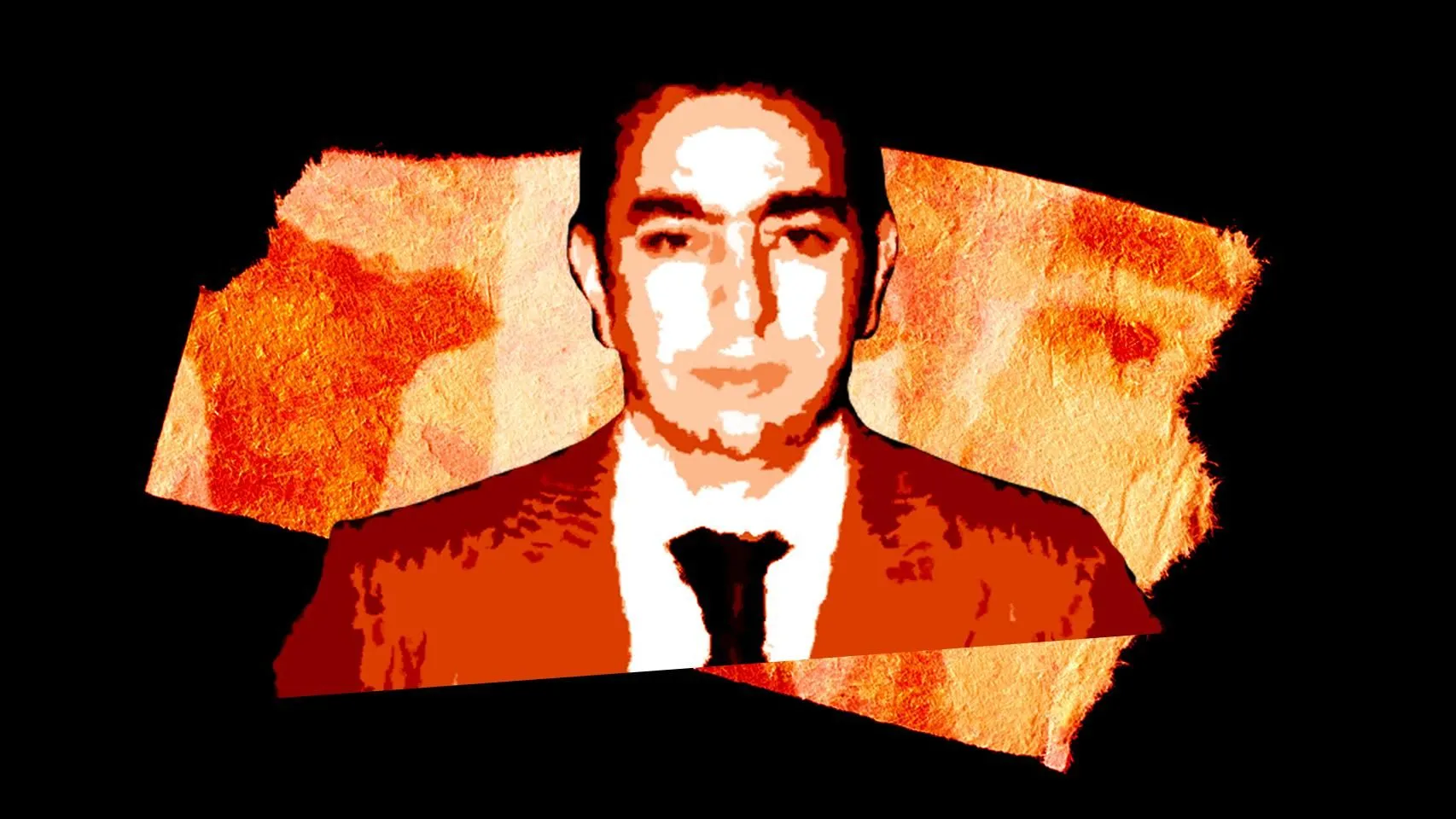

The case revolves around a real estate developer accused by the Moroccan government of committing fraud in the construction of a **luxury resort** project that ultimately failed, with an estimated value of nearly **200 million euros**. This project saw involvement from the Moroccan administration itself.
According to a resolution from Spain's National Court dated June 3, the request for extradition of developer Larbi Tadlaoui has been rejected. The judges of the First Section of the Criminal Chamber determined that the allegations made by Morocco do not constitute **fraud**, but rather a "breach of contract for the execution of work," which does not qualify as a criminal offense. In essence, the National Court unanimously concluded that this dispute is of a "civil nature."
Tadlaoui himself perceives this situation as being made a scapegoat, alleging that the Moroccan government is using judicial persecution against him to deflect responsibility for the failed real estate venture. Just this past Wednesday, Morocco's Minister of Justice, **Abdellatif Ouahbi**, suggested the possibility of the Moroccan kingdom terminating its extradition treaty with Spain. While he did not name specific individuals, Ouahbi noted that there have been several recent cases where issues arose concerning the extradition of individuals sought by Moroccan courts. His comments were made in the context of the heightened conflict caused by the massive influx of immigrants in Ceuta on July 30.
This diplomatic issue extends beyond mere legalities; the failed real estate project has sparked a significant **diplomatic clash with the United Kingdom** at the highest levels. Many of the investors who purchased properties in the Paradise Golf & Beach Resort, located near Tangier, were **British**. As a result, authorities from both nations have convened multiple times in an effort to find a resolution, including discussions about a local bank financing the completion of the project.
Notably, on June 18, 2025, a debate occurred in Westminster Hall where British parliamentarians discussed potential compensations for investors who had acquired properties in the troubled Paradise Golf & Beach Resort. Labour MP Blair McDougall pointed out that "around 800 investors, the majority of whom are British citizens," lost their savings. He emphasized that the project was heavily promoted as part of Morocco's strategy to attract British investments, and that the complex was built on state-owned land, closely monitored by the Moroccan government before construction abruptly ceased in 2016.
In their resolution, the National Court concluded that after reviewing Morocco's extradition request, it was "subsequent issues in the execution of the project" that resulted in the resort not being completed. Hence, the Spanish judiciary has ruled out the existence of any "prior and substantial deception" intended to defraud homebuyers. Moreover, Larbi Tadlaoui had already been convicted in **Morocco** in 2017 for the same reasons for which the Moroccan government is now seeking his extradition. He was found guilty solely of the "crime of non-execution of contract," which is indeed recognized under Moroccan Penal Code, and sentenced to six months in prison.
Consequently, the National Court concluded that the principle of double jeopardy does not apply, which is a necessary condition for extradition. The facts supporting Morocco’s request do not align with the crime of fraud, as the account of events merely describes what in Spanish law would be a breach of contract by one of the contracting parties, which should be addressed in civil jurisdiction. This was the conclusion drawn by the Criminal Chamber on June 3.
Larbi Tadlaoui had been sought since May 2023 by the First Instance Court of Tangier. **Interpol**, the international police coordination agency, issued an alert, leading to the arrest of the real estate developer on September 11, 2025, in **Algeciras** (Cádiz).
In an email, EL ESPAÑOL managed to gather Tadlaoui's insights regarding his case. He highlighted the political and diplomatic dimensions of this legal conflict, revealing that he utilized a "cognitive artificial intelligence (AI) with a pending patent in the United States" as part of his defense preparation. He claimed to have developed this technology in collaboration with a researcher specializing in the field. "This technology was employed to prepare and structure the defense before hiring the law firm. Subsequently, the lawyers independently reviewed all the work, applied their professional judgment, and took full responsibility for the defense before the National Court," Tadlaoui explained.
"Unlike other recent civil cases involving AI, this one does not concern economic interests, but rather personal liberty," he emphasized. Before fully committing to the real estate sector, Larbi Tadlaoui was part of the trio of **official pilots for the Moroccan national team** (alongside Ismaïl Sbaï and Youssef El Marnissi) in 2010, according to contemporary Moroccan press reports.
As reported by elespanol.com.