
Government's New Immigration Regularization Initiative
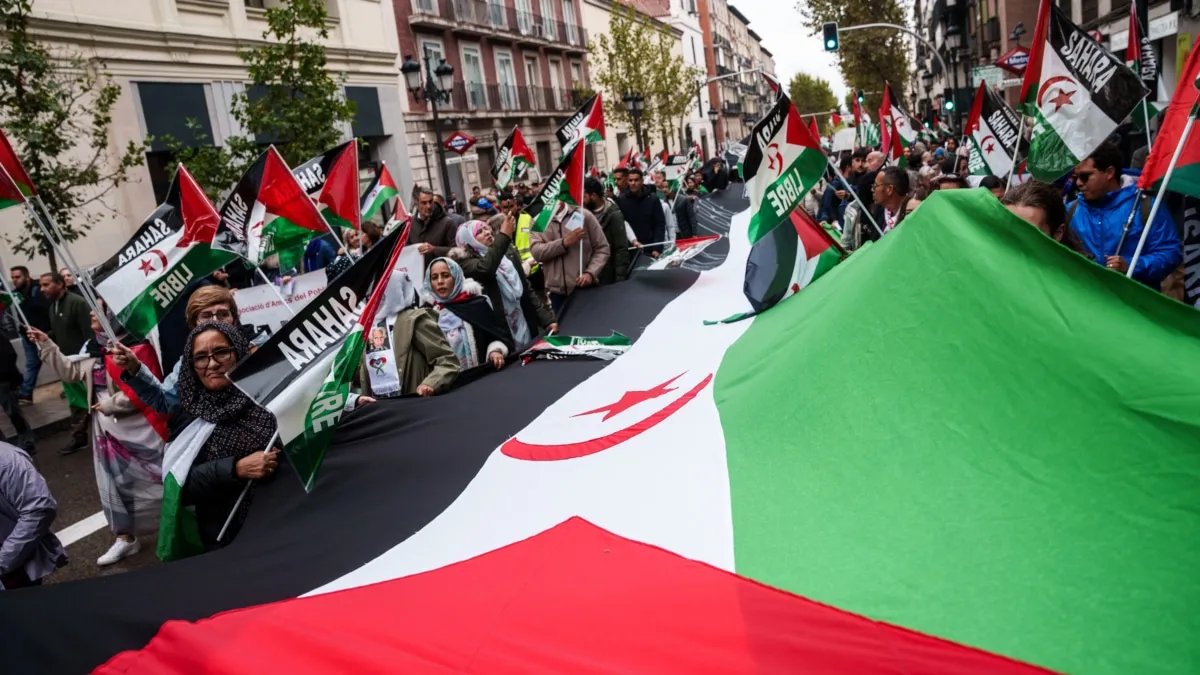
The extraordinary immigration regularization approved by the Spanish government this Tuesday during the Council of Ministers aims to recognize the reality of nearly half a million individuals who already live and work in Spain. The government characterizes this initiative as an act of normalization and justice, aligning it with the country’s historical migration narrative in a letter to the public shared on its social media channels. However, legal experts and Sahrawi social organizations have voiced concerns that the new policy excludes applicants for stateless status, a group that is particularly vulnerable and predominantly Sahrawi.
A Sahrawi lawyer expressed grave concerns about this exclusion, urging caution until the final text is known but already warning of the potential consequences. "If this is confirmed as indicated in the drafts, it represents a clear and evident discrimination against a specific group," she stated. The initiative aims to provide a solution for thousands of asylum seekers who did not qualify under the previous reform, while also regularizing hundreds of thousands of individuals currently in irregular situations. According to the government, this is a necessary measure in light of an aging population and labor market needs, as they conveyed in a message stating, "Without new individuals working and contributing, our prosperity stagnates."
Discrimination Against Stateless Applicants
Despite the intentions behind the policy, stateless applicants are left out, which creates a significant disparity. The lawyer elaborated, "Asylum seekers who have not received a response can apply for this residence permit. However, stateless applicants in the same legal situation are excluded." She argues that this exclusion lacks both legal and moral justification. The statistical evidence underscores the severity of the issue, with 96% of stateless applications in Spain coming from Sahrawi citizens, according to data from the Ministry of Interior. This renders the exclusion a pressing issue that directly impacts this community. While not all stateless individuals are Sahrawis, the majority are, raising questions about the discrimination they face, which appears to stem from a clear political stance.
The lawyer described a system already burdened with significant inefficiencies, stating, "The real problem is that stateless procedures are not being resolved." She pointed out that some individuals have been waiting for responses for four or five years. This delay is compounded by a lack of administrative resources, as the central office in Madrid has been closed since the COVID pandemic, leaving applicants without attention or resolution, and now excluded from a regularization process that benefits other groups in similar circumstances.
The implications of this exclusion are profound. Unlike asylum seekers, who can work after six months, stateless applicants do not have work authorization, meaning they can spend four or five years without any means of support, income, or stability. The Regularization Now Movement, which advocates for this initiative, acknowledged some positive changes in the final text, such as the easing of requirements and provisional work permits, but confirmed the exclusion of stateless applicants following the Council of State's ruling. According to the group, this decision was made despite presenting viable alternatives for their inclusion.
For the lawyer, the issue is not merely technical but also political. "We are a very small group, and we lack influence because it is not a priority," she admitted. She believes there is a clear interest in avoiding the establishment of normal pathways for regularizing their status, attributing the exclusion to a combination of demographic weight and international context. "If this is reflected in the regulations, it is yet another violation that the Sahrawi people have suffered," she asserted. Nevertheless, the community is exploring potential legal actions, with the lawyer affirming that appeals are possible despite the challenges. "We are few, but we will try to do everything possible through the Sahrawi lawyers' association."
The extraordinary regularization is presented as a historic measure capable of integrating hundreds of thousands of individuals. However, for the Sahrawi stateless community in Spain, the sentiment is starkly different. "They are in the same situation as other groups that will be regularized," the lawyer concluded. "Yet, they are left out. There is no explanation for this."
As reported by elindependiente.com.