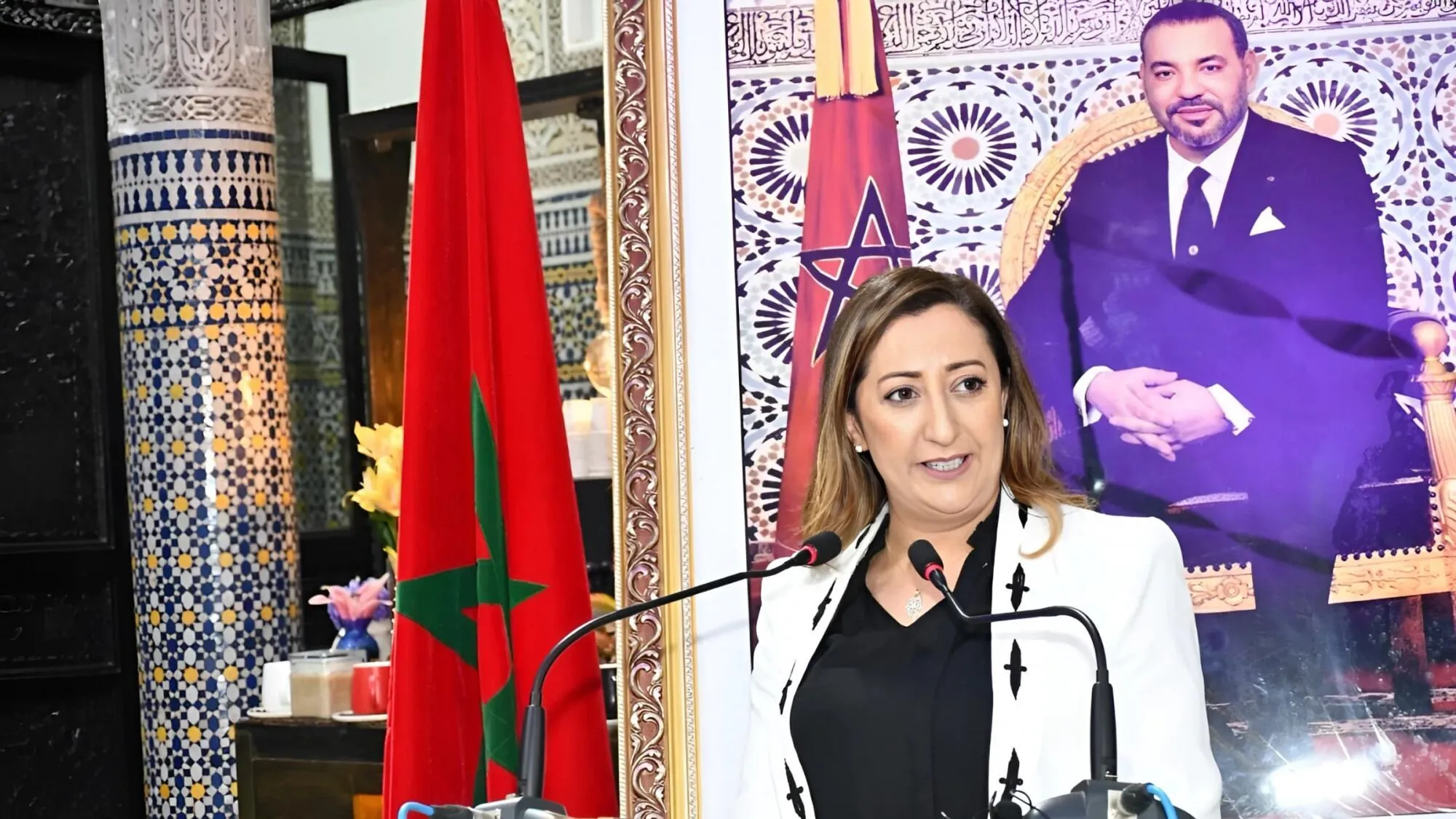

Significant Political Shift in Rabat
In a pivotal move for Rabat's political landscape, Fatiha El Moudni, the newly elected mayor, alongside Adil El Atrassi, the president of the Souissi district council, has officially joined the Party of Authenticity and Modernity (PAM). This transition marks a departure from their previous affiliation with the National Rally of Independents (RNI), and it is expected to significantly alter the dynamics within the municipal majority. As reported by the daily newspaper Al Akhbar, this coalition shift comes just a few months after their election and the signing of a tripartite agreement, raising questions about the future governance of the city as the next electoral deadlines approach.
El Moudni's decision to rejoin PAM is not merely a personal choice; it is a strategic political maneuver that reshapes the balance of power within the local council. Having been elected as mayor in March 2024, she holds a critical position in the city's executive branch. This realignment of political allegiance not only impacts her role but also complicates the existing coalition that previously included the RNI, PAM, and the Istiqlal Party. The previous spirit of consensus that characterized the council since the 2021 elections is now challenged, prompting legal and political inquiries concerning the stability and unity of the municipal majority.
Implications of the Party Shift
This political shift occurs within a broader context of reorganization among political parties and escalating electoral competition as legislative elections approach. In a city as influential as Rabat, political entities are intensifying efforts to attract prominent local figures. El Moudni and El Atrassi's decision to switch parties comes shortly after several other elected officials from the Souissi district council distanced themselves from the RNI. This trend of departures threatens the RNI's standing and introduces various scenarios regarding the reconfiguration of alliances within the capital, where PAM is striving to solidify its influence.
For PAM and its supporters, this alliance is a significant boost that redefines the power dynamics within the municipal assembly. Conversely, the RNI faces the substantial challenge of maintaining the cohesion of its elected officials and preventing a gradual erosion of its influence following the loss of the council presidency. Although El Moudni's change in party affiliation does not automatically lead to the collapse of the existing coalition or an immediate overhaul of the leadership structure, it establishes a new political reality that will likely impact the management of strategic issues, decision-making processes, and the positions of various groups in upcoming council sessions.
As reported by fr.le360.ma.