
Groundbreaking Appointment in Moroccan Politics
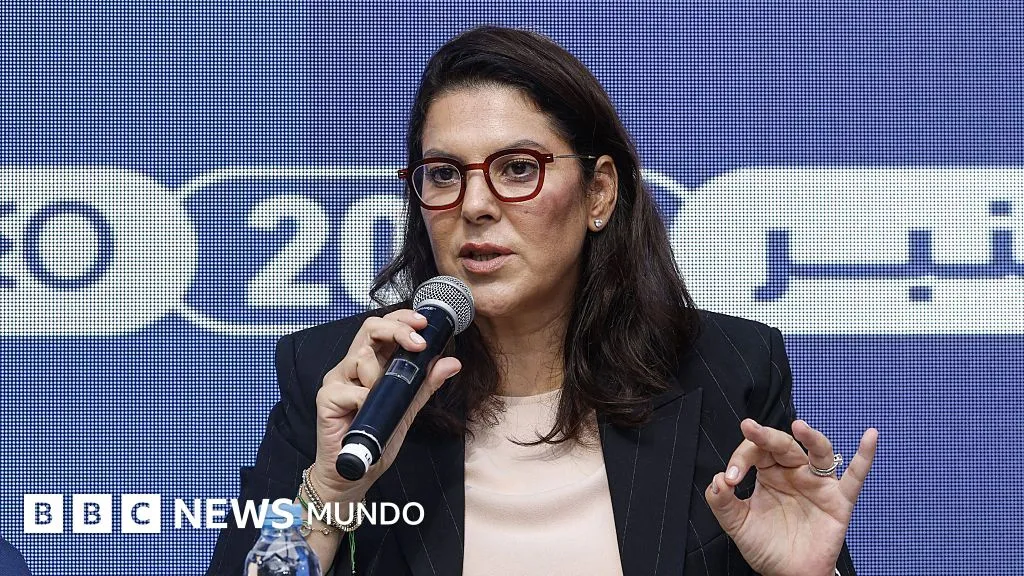
Fatima Zahra El Mansouri has made history by being appointed as Morocco's first female prime minister, marking a significant milestone not only for Morocco but also for the Arab world. Her party, the Authenticity and Modernity Party (PAM), secured the majority of seats in the recent parliamentary elections, paving the way for her to ascend to the highest political office in the nation. This appointment places El Mansouri among the few women globally who have led a government, following Tunisia's Najla Bouden. King Mohammed VI's decision to appoint her over other prominent politicians, including Fouzi Lekjaa, the president of Morocco's football federation and a fellow party member, underscores her rising prominence in the political arena.
At 50 years of age, El Mansouri has an extensive background in governance, having previously served as the mayor of Marrakech and held ministerial roles in the last coalition government. Despite Morocco being a constitutional monarchy where significant power is still vested in the king, El Mansouri's appointment signals a potential shift in the political landscape, especially regarding women's representation in leadership roles.
El Mansouri's Political Journey and Challenges Ahead
El Mansouri is not a stranger to the political scene. A trained lawyer, she graduated from Mohammed V University in Rabat and furthered her studies in France and the United States, specializing in corporate law. She first entered politics with PAM's founding in 2008 and became the first female mayor of Marrakech in 2009. After returning to the mayoral position following the 2021 elections, she served as the Minister of National Territorial Planning, Urban Planning, Housing, and Urban Policy under former Prime Minister Aziz Akhannouch. Her recent role as coordinator for PAM's leadership coalition since February 2024 has further solidified her influence within the party. In interviews, she has refused to be labeled a 'iron lady,' asserting her identity as a 'free activist' instead. Throughout her career, she has maintained a cautious approach regarding women's rights issues, even amidst ongoing discussions in Morocco about polygamy and gender equality in inheritance rights.
The path ahead for El Mansouri is not without challenges. The Moroccan Constitution stipulates that the king appoints the head of government from the party that wins the most seats in the House of Representatives. With PAM holding only 97 seats, they lack an outright majority in the 395-member Parliament and must forge a coalition to reach the 198-seat threshold necessary for a majority. The political landscape is complicated, as PAM has distanced itself from the National Rally of Independents (RNI), the party that led the outgoing government. Additionally, the Justice and Development Party (PJD), which has Islamic leanings, regained strength in the elections with 54 seats, up from just 13, further complicating potential alliances. Following the voting, PJD leader Abdelilah Benkirane announced that his party would remain in opposition, rejecting any collaboration with PAM.
As reported by bbc.com.