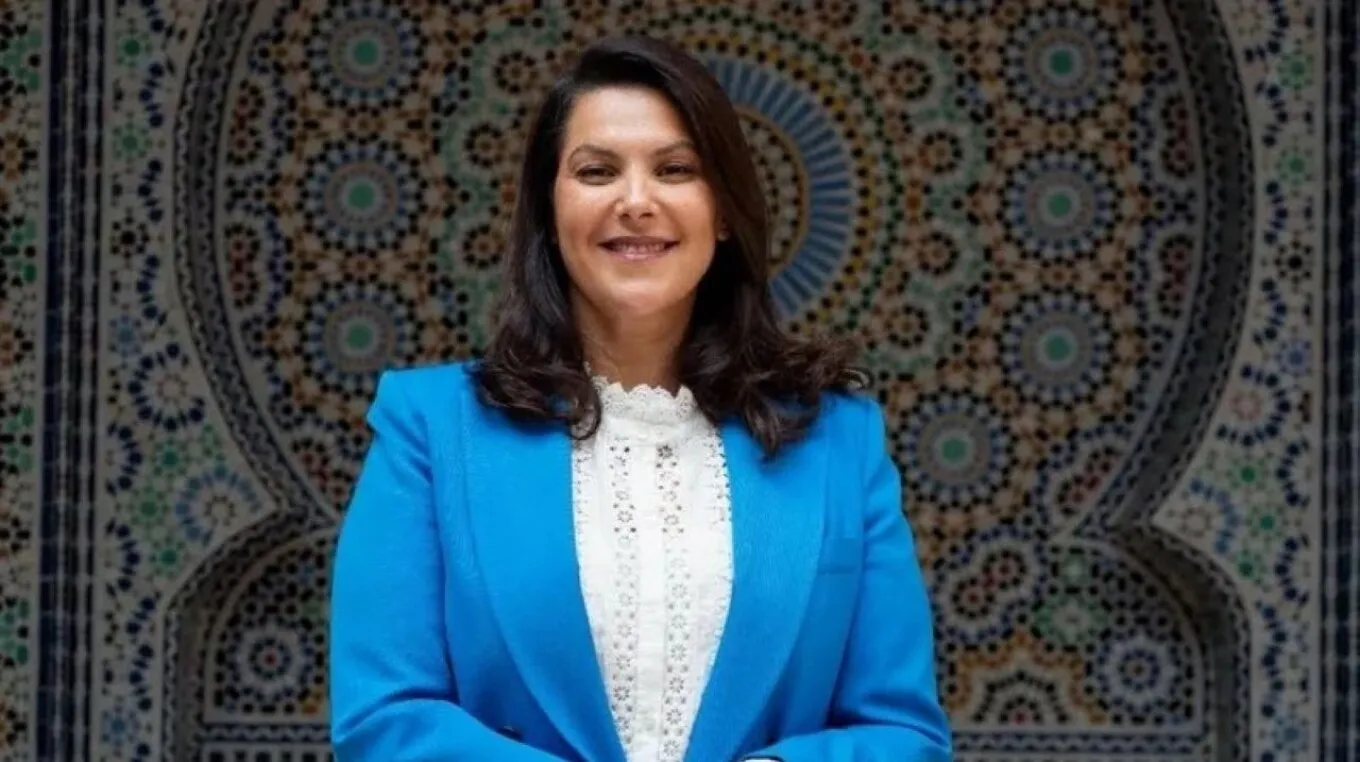
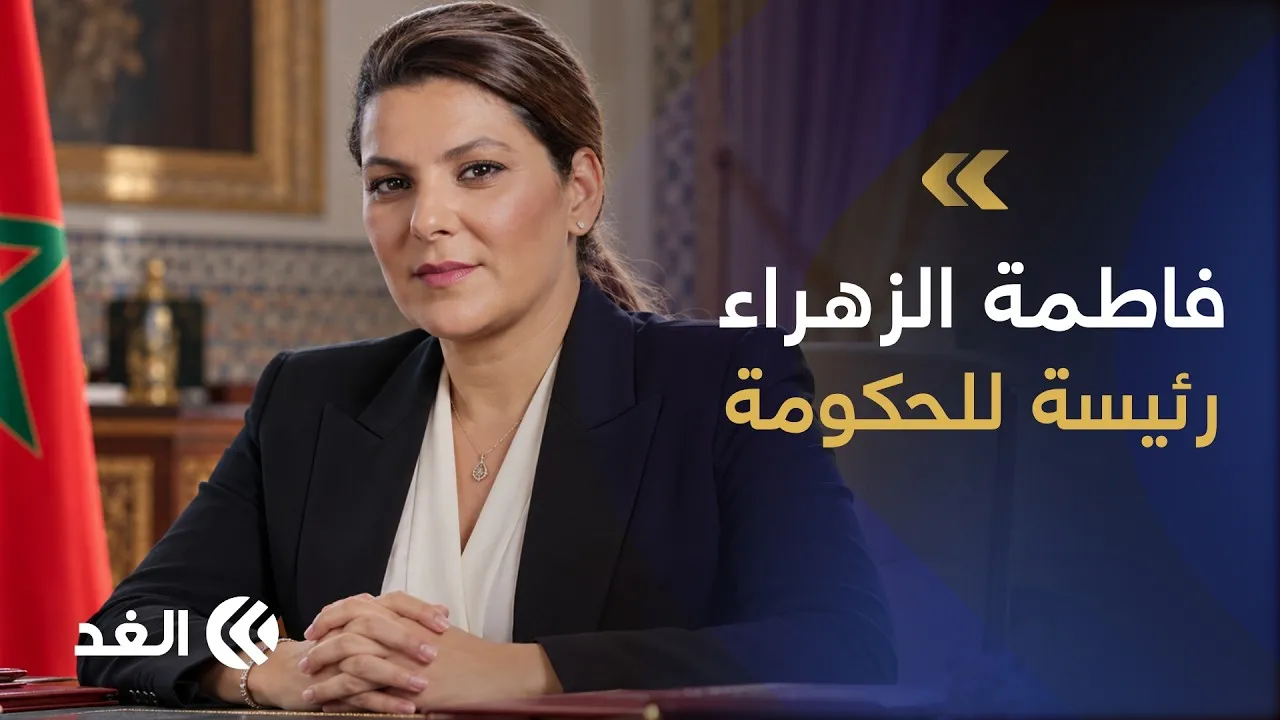
King Mohammed VI Appoints Fatima Ezzahra El Mansouri as Prime Minister
In a groundbreaking move for Moroccan politics, King Mohammed VI has officially appointed Fatima Ezzahra El Mansouri as the nation's first woman prime minister. This significant decision follows the recent parliamentary elections, where her party, the Authenticity and Modernity Party (PAM), emerged as the largest party, securing a total of 97 seats. The royal palace's announcement highlighted El Mansouri's new role as she embarks on the challenging task of forming a government amidst looming economic pressures and preparations for the upcoming 2030 FIFA World Cup, which Morocco will co-host with Spain and Portugal.
According to the constitution of Morocco, the king retains the authority to appoint the head of government from the party that achieves the most seats in the House of Representatives. While Morocco operates under a constitutional monarchy, the king's influence extends to critical areas such as foreign policy and national defense, which shapes the country's governance significantly. The PAM's victory in the elections comes as a notable shift, surpassing coalition partners like the liberal-centrist National Rally of Independents (RNI), which secured 66 seats, and the conservative nationalist Istiqlal party with 65 seats. The Islamist Justice and Development Party (PJD), which had previously held power for a decade, found itself reduced to 54 seats, illustrating a seismic shift in the political landscape.
Coalition Talks and Future Challenges
Fatima Ezzahra El Mansouri, who previously served as housing minister and is currently the mayor of Marrakech, is set to initiate coalition negotiations to establish a stable governing body. Although PAM had indicated during the campaign that it would not partner with RNI due to policy disagreements, El Mansouri has expressed a willingness to engage in dialogue and seek collaboration, indicating a progressive approach to coalition building. Her statement, "We have turned the page," reveals her intent to foster a collaborative political environment devoid of rigid constraints, a necessary move given the growing economic challenges and public dissatisfaction that have recently emerged in Morocco.
The new government, under El Mansouri's leadership, will face pressing issues, including economic stability and youth engagement, especially following recent migration crises and public protests that have highlighted widespread dissatisfaction among the younger population. Additionally, the administration will be tasked with ensuring that Morocco's preparations for the highly anticipated 2030 World Cup are successful, a significant event that could enhance the nation’s international standing and economic prospects.
The voter turnout for this election saw a decline, dropping to approximately 38%, a stark contrast to the 50% participation rate seen in the previous elections five years ago. This decline serves as a crucial indicator of public sentiment toward the electoral process and the confidence in political institutions. The appointment of El Mansouri not only represents a pivotal milestone for gender representation in Moroccan politics but also reflects King Mohammed VI's ongoing efforts to empower women in key governmental roles, as evidenced by the inclusion of four women in the outgoing cabinet.
As reported by indiatoday.in.