
From Law to Leadership: The Journey of Fatima Zahra Mansouri
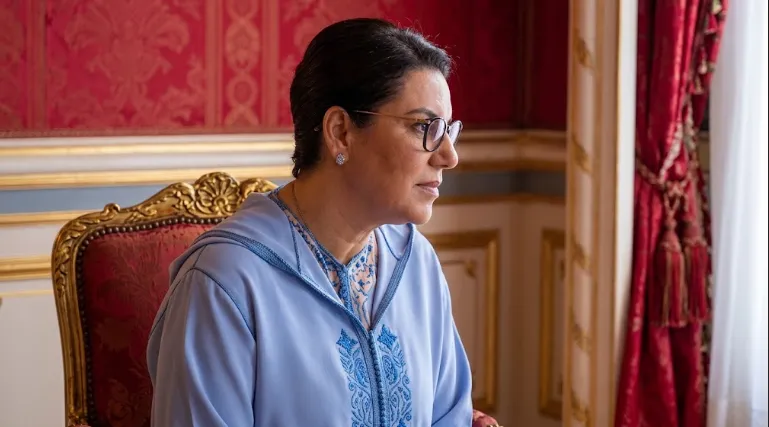
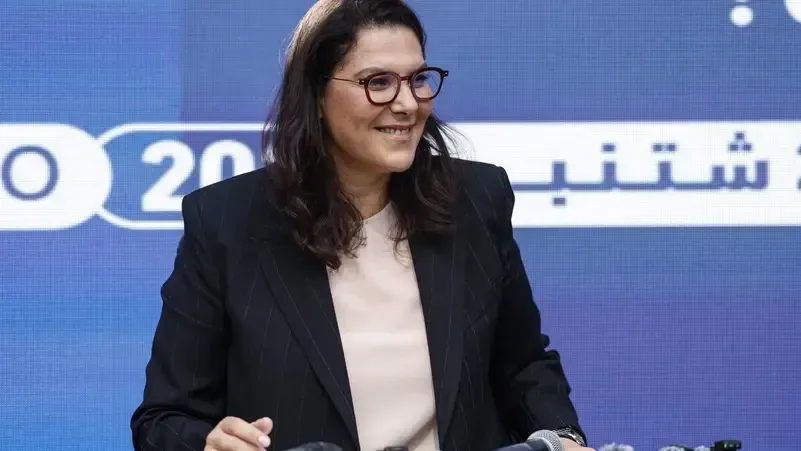
In a groundbreaking moment in Moroccan history, Fatima Zahra Mansouri, born in Marrakech in 1976, has made her mark as the first woman to assume the role of Prime Minister. Her remarkable journey began in the legal field and transitioned into a dynamic career in politics, encompassing various significant positions including the mayoralty of Marrakech, parliamentary responsibilities, and leading the Party of Authenticity and Modernity. Her appointment as Prime Minister was executed under Article 47 of the Moroccan Constitution, which outlines the process for forming a government.
Mansouri's ascendancy to the highest political office in Morocco represents a significant milestone, not only for her but also for gender representation in the country's political landscape. She previously made history as the first female mayor of Marrakech, a role she undertook with great dedication and competence. This recent appointment signals a new phase in Moroccan politics, one that builds upon her previous achievements and reflects an evolving societal attitude towards women's leadership.
A Multifaceted Political Career
Fatima Zahra Mansouri's path to the Prime Ministership was paved with a solid educational foundation in law, which she pursued in France and the United States before returning to Morocco to practice as a lawyer. Her legal expertise, particularly in various sectors, set the stage for her entry into the political arena where she quickly became a prominent figure within her party, the Party of Authenticity and Modernity. A pivotal moment in her career came in 2009 when she was elected mayor of Marrakech, marking her as a trailblazer in local governance.
Her successful tenure as mayor allowed her to gain national visibility, leading to her election to the House of Representatives and eventually her return to the mayoral position in 2021. That same year, she was appointed Minister of National Planning, Urbanism, Housing, and City Policy in the government led by Aziz Akhannouch, a role she maintained until her historic promotion to Prime Minister. Her official government biography confirms her stewardship in this vital ministry, which handled significant issues related to housing and urban planning.
Simultaneously, Mansouri has solidified her standing within the Party of Authenticity and Modernity, becoming one of its leading figures. Her political experience is characterized by her ability to seamlessly blend local governance, parliamentary duties, and ministerial responsibilities, particularly in urban planning and housing support initiatives. Her proactive approach to urban renewal and social policy discussions has kept her at the forefront of Morocco's political discourse.
The significance of Mansouri's elevation to the Prime Minister's office cannot be overstated, as she becomes the first woman to hold this esteemed position in Moroccan history. This transition marks a critical juncture not only in her career but also in the broader narrative of women's roles in governance, showcasing her evolution from an influential lawyer to the head of the executive branch. Fatima Zahra Mansouri's leadership exemplifies the potential for women to shape the future of governance in Morocco, paving the way for future generations of female leaders.
As reported by sabq.org.