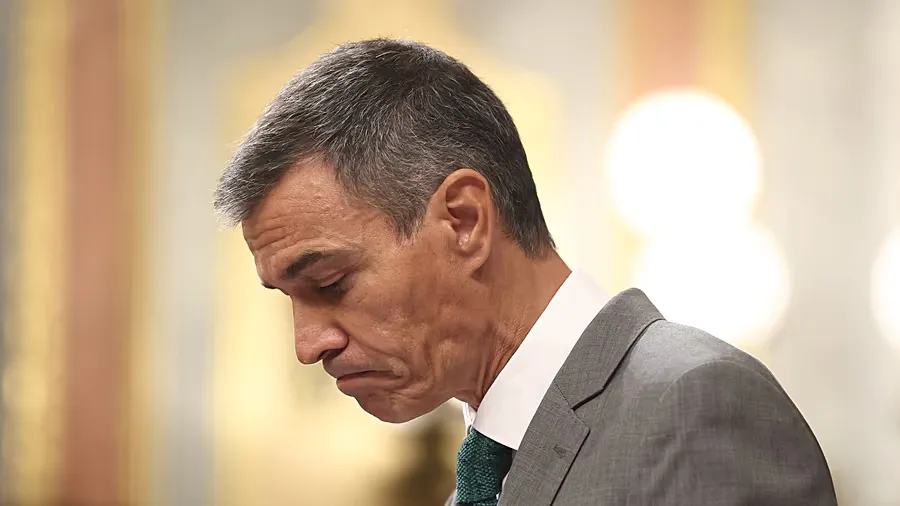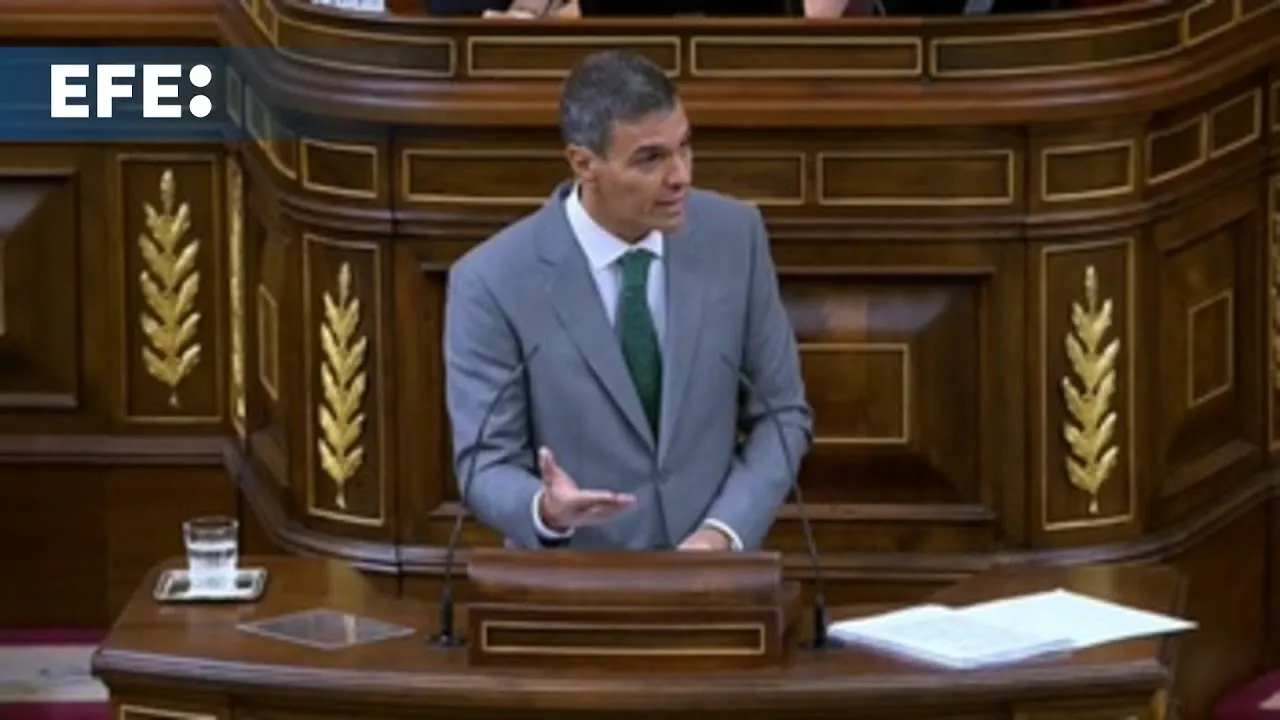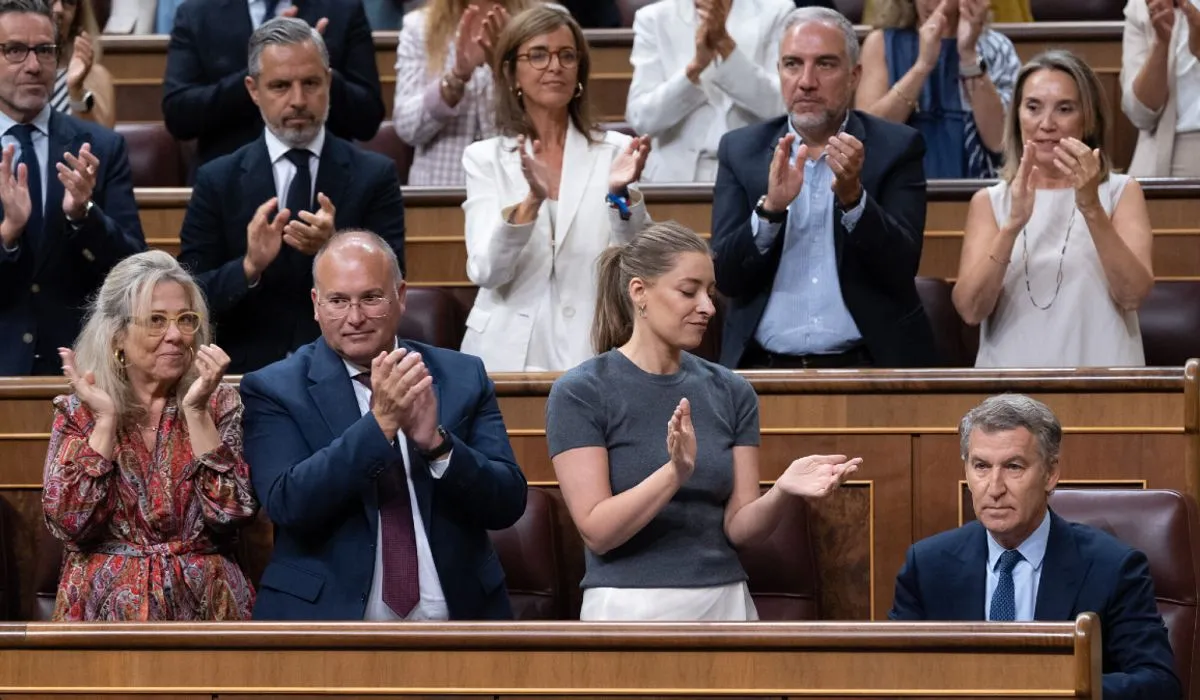

Feijóo Tackles Sánchez with Strong Allegations
The recent address by **Alberto Núñez Feijóo**, the leader of the Popular Party (PP), during yesterday's plenary session took many by surprise, both supporters and opponents alike. Feijóo, who has gradually emerged with increasing fervor against Prime Minister Sánchez throughout this legislative period, has recently accelerated his criticisms, fully aware that the current government is at a critical juncture. He has previously shown no hesitation in leveraging allegations of socialist corruption against Sánchez, but he had faced internal debates about addressing more contentious issues politically.
Among these pressing matters are the **mass immigration that Spain is grappling with** and the **diplomatic relations with nations such as Morocco**. While Morocco is often seen as a necessary ally, the relationship has been fraught with complications. The recent influx of migrants during the crisis in Ceuta has prompted Feijóo to abandon any reservations he may have had, opting for a direct confrontation with the current administration. He recognizes that the upcoming weeks are pivotal, especially with the potential for an early election in March looming on the horizon, making it essential to establish clear positions on these critical issues.
Shifting Political Dynamics Regarding Immigration and Foreign Relations
Feijóo's willingness to engage directly with such sensitive topics indicates a significant shift in the PP’s approach to immigration and foreign policy. His strategy appears to be aimed at capitalizing on the perceived vulnerabilities of the Sánchez administration, particularly regarding its handling of immigration and relations with Morocco. By adopting a more confrontational tone, Feijóo seems prepared to redefine the political landscape in Spain, potentially rallying support from voters who feel uneasy about the current government's policies.
As Feijóo continues to outline these strong positions, his approach not only reflects a response to immediate political pressures but also signals a broader recalibration of the PP's strategy moving forward. This change could resonate with a populace increasingly concerned about national security and immigration issues, thus placing the PP in a favorable position should elections occur sooner than anticipated. The implications of this shift will undoubtedly unfold in the coming weeks as the political climate becomes more charged.
As reported by vozpopuli.com.