
Pedro Sánchez Addresses Migrant Crisis in Ceuta
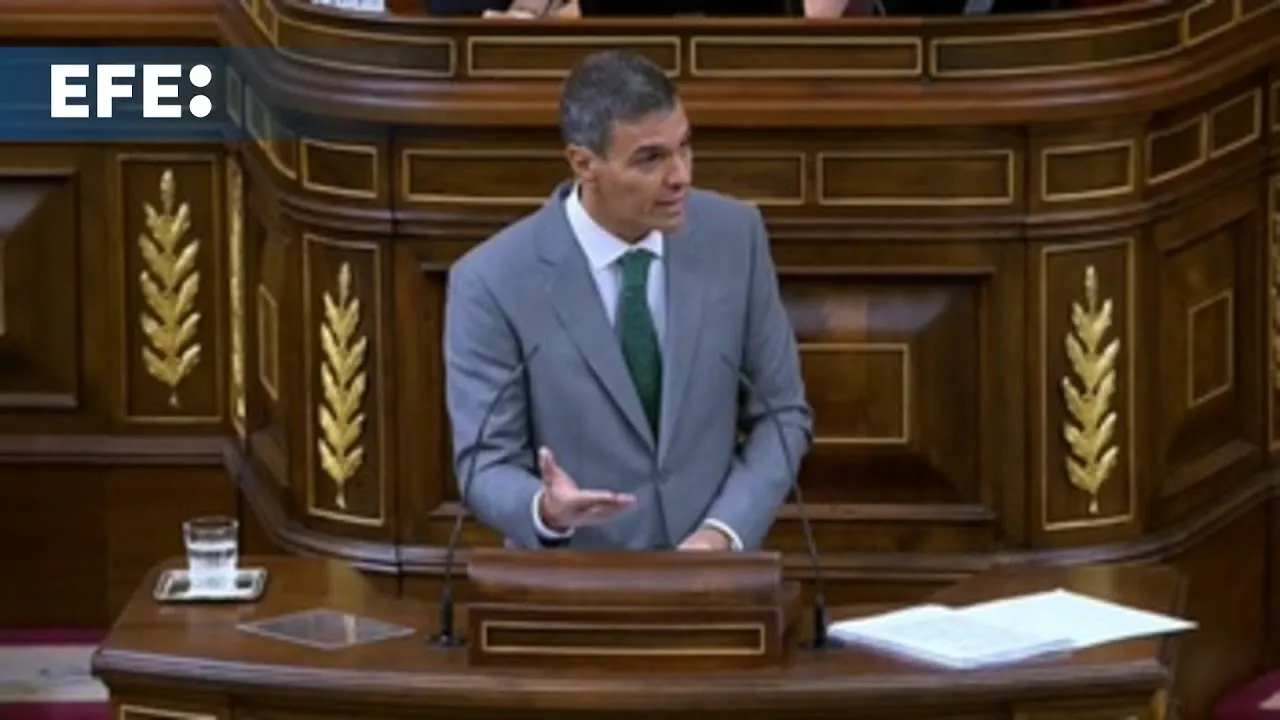
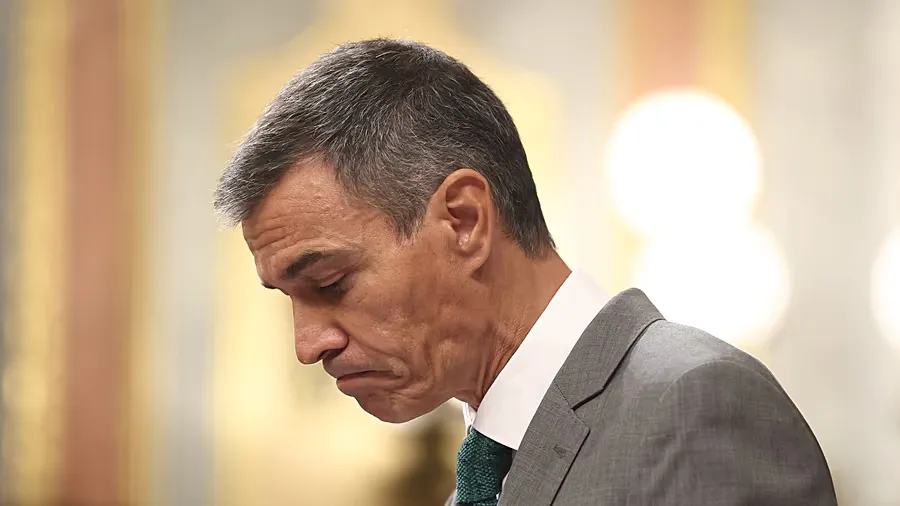
On September 3, 2026, Spanish Prime Minister Pedro Sánchez delivered a powerful address to Parliament, seeking to clarify the government's stance on the ongoing migrant crisis affecting the enclave of Ceuta. Sánchez firmly dismissed allegations suggesting that Moroccan authorities intentionally orchestrated the influx of migrants, although he did acknowledge that there had been a temporary lapse in border control during the peak of the crisis. His statements come at a time of heightened political tension, as thousands of Spaniards protested in various cities, demanding accountability for the government's handling of this humanitarian emergency and calling for Sánchez's resignation.
Humanitarian Tragedy and Its Aftermath
By the end of July, approximately 72,000 migrants attempted to reach Ceuta, either by swimming or breaching border barriers, marking an unprecedented surge for this small Spanish enclave, which has a population of just 84,000 residents. While many of these migrants were quickly returned to Morocco or chose to return voluntarily, an estimated 5,000 individuals, including about 1,200 minors, remained in Ceuta weeks later, according to government figures, although local authorities suggest the actual number could be even higher. The humanitarian toll has raised serious concerns, with Sánchez reporting that 141 individuals lost their lives in attempts to reach Ceuta, a significant increase from earlier estimates that placed the death toll at 96. However, neither Sánchez's office nor the Ministry of the Interior has clarified how they arrived at this revised figure.
The exact nature of the events surrounding this mass migration continues to be a contentious issue. The Spanish government attributes the surge largely to a wave of mobilization on social media. Recent reports in Spanish media have indicated that a police report suggested some level of cooperation or complacency from Moroccan security forces. Nevertheless, Spanish authorities have denied that this document directly implicates Rabat in the crisis. Sánchez reiterated this stance during his address, asserting that there was no conclusive evidence linking Moroccan authorities to the organized influx of migrants. He did, however, confirm that on July 30, during the peak of arrivals, Moroccan gendarmerie allowed migrants to cross the border for approximately ten hours, describing this situation as temporary. In the days following, Moroccan forces resumed strict border control, undertaking numerous arrests and preventing further crossings.
Despite his reluctance to directly blame Morocco, Sánchez condemned remarks from two Moroccan ministers who challenged Spain's sovereignty over Ceuta and Melilla, both of which are Spanish territories located in North Africa. In response to these statements, Madrid summoned the Moroccan ambassador to formally protest these comments. The Prime Minister also indicated that several official reports regarding the migrant crisis would be published soon, although specifics regarding their content or release dates were not provided.
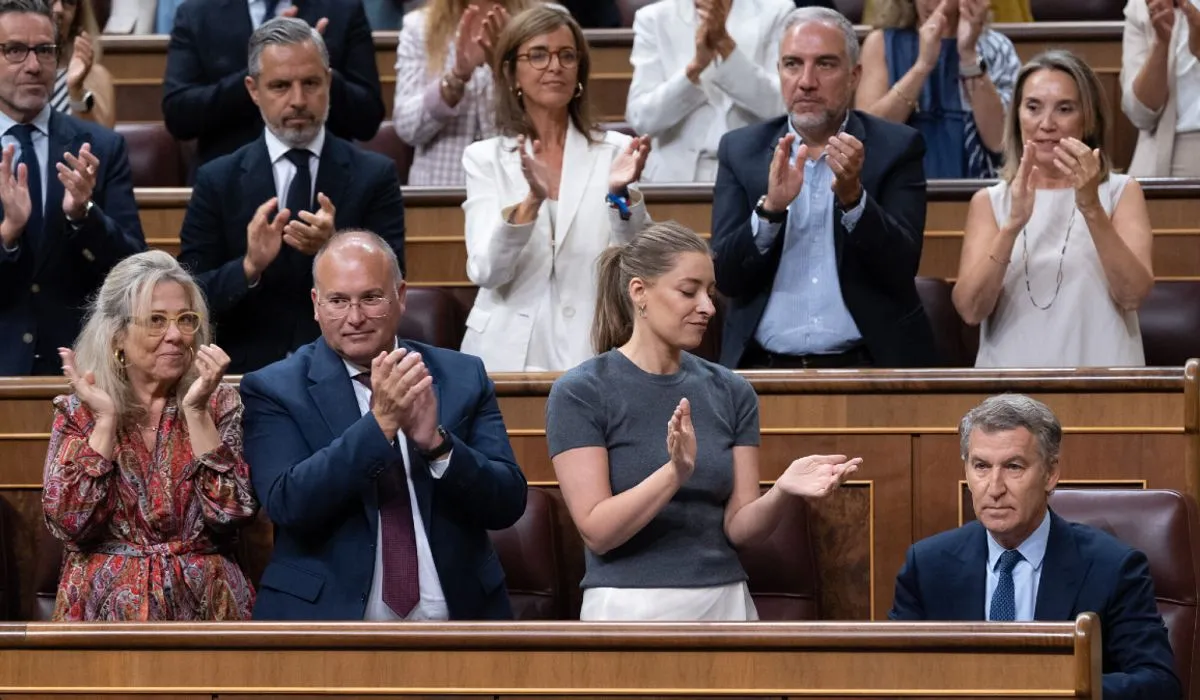
The political climate in Spain has become increasingly charged, with opposition leader Alberto Feijóo launching a fierce critique against Sánchez, accusing his government of neglecting the residents of Ceuta in what he described as a violation of Spanish territorial integrity. As Sánchez faces mounting political pressure, unanswered questions linger regarding the deadliest crisis recorded at the land borders between the European Union and Africa. The conflicting accounts from various Spanish ministries about the alerts received prior to the migrant surge continue to fuel criticism and public concern.
As reported by fr.africanews.com.