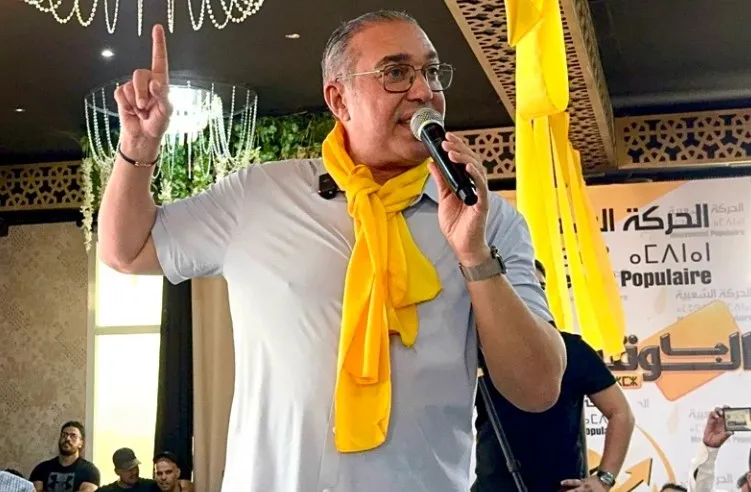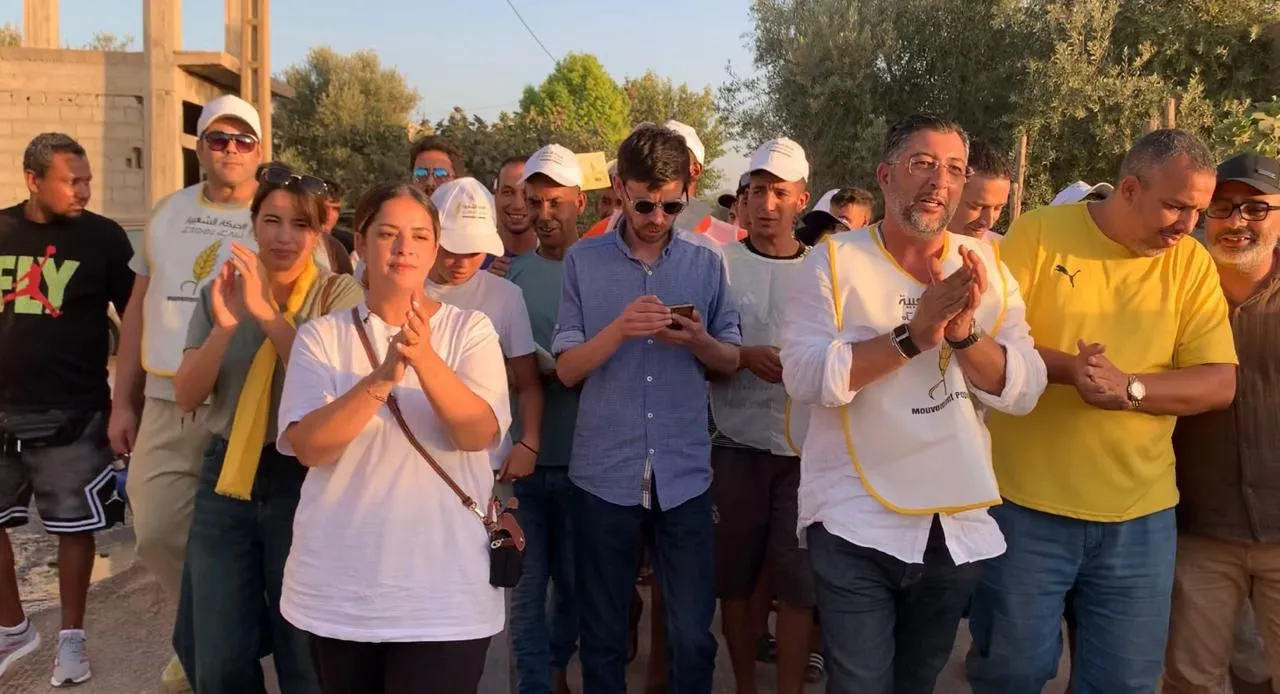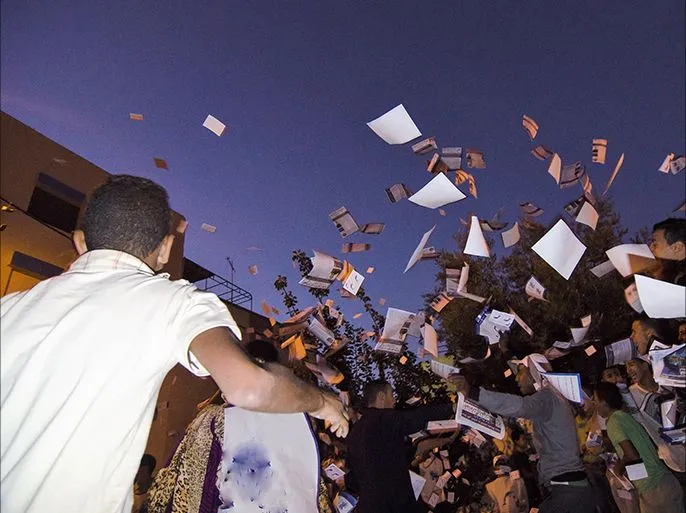

The election campaign in Fes is entering a critical phase just one week before the scheduled voting day on September 23. However, the atmosphere within the northern and southern districts remains less vibrant than the level of competition one would expect in such a significant electoral event. There has been a notably subdued presence of candidates, alongside a lack of large-scale rallies and intensive public engagements that typically characterize the final days of election campaigns.
In Fes, 41 local lists are competing for eight parliamentary seats, divided between the northern district with 21 lists and the southern district with 20 lists. Additionally, there are 21 regional lists vying for seats allocated to the region. These numbers alone highlight the magnitude of competition and the urgent need for more dynamic field presence and intensified political communication with voters in the days leading up to the election.
Since the campaign commenced on September 10, numerous neighborhoods, streets, and markets in Fes have remained largely untouched by the widespread electoral mobilization. A number of lists have opted for limited and closed meetings or have relied on direct engagement within local communities, while the anticipated large public gatherings and open forums, which allow candidates to present their programs to a broad audience, have yet to materialize.
The city has witnessed the Independence Party organizing a rally in Fes on Tuesday, September 15, as part of its election campaign. However, the scale of major public activities remains limited in comparison to the number of competing lists. Conversely, all eyes are on the Justice and Development Party, which is expected to hold a significant rally this Thursday evening at the Lyrak Saiss Stadium, led by its Secretary-General, Abdelilah Benkirane. This event is anticipated to inject a renewed sense of public and political engagement into the election campaign.
This current stagnation places a fundamental responsibility on the parties and lists, transcending the mere pursuit of votes; they must work to rebuild the direct connection between citizens and the electoral process. The election campaign is not only an opportunity for candidates to introduce themselves but also a chance for voters to listen, inquire, compare programs and perspectives, and ultimately make informed decisions freely.
The importance of electoral participation is particularly pronounced in a city of Fes's stature, which boasts a large voter base alongside a strong political, civil, and cultural presence. The city's unique nature complicates the interpretation of voter trends, as it is challenging to condense the electorate into a singular political direction. A significant portion of the population possesses a keen understanding of political affairs and keeps abreast of national and local debates, making the process of persuasion deeply tied to credibility, programs, and field presence rather than mere electoral slogans.
Consequently, in the remaining days, parties are called upon to elevate their communication efforts, engage more extensively in neighborhoods, markets, and public spaces, and organize open meetings that enable residents to pose questions and discuss key issues affecting the city, including employment, transportation, health, education, housing, public services, and economic and social development.
Moreover, increasing participation should not translate into a call for voters to support a specific party or candidate; rather, it should encourage citizens to exercise their constitutional right to choose and head to the polls on September 23, casting their votes for those they believe are best suited to represent them, based on their own convictions and free from any undue pressure or influence.
Article 30 of the Moroccan Constitution stipulates that voting is a personal right and a national duty, thus making participation in elections an essential aspect of citizenship. Therefore, the responsibility of increasing voter turnout does not rest solely with the administration; parties and candidates also bear a significant share of this responsibility by providing compelling political discourse, clear programs, and direct communication that motivates citizens to engage actively in the electoral process.
The 41 competing lists in Fes have a genuine opportunity in the final days to transform the campaign from a limited presence into a broad political discourse, especially since achieving a voter turnout of around 50 percent—an objective currently under discussion locally—requires genuine electoral mobilization rather than mere posters, banners, and limited presence in select locations.
A citizen who does not hear from candidates, meet them, or learn about their programs may find little motivation to participate, whereas direct communication allows parties to rebuild some trust and persuade undecided voters that their voices are valuable in determining who will represent the city in the legislative institution.
Given its political and historical significance, Fes requires a clearer electoral discussion in the final days of the campaign and a transition by parties from a phase of waiting and caution to one of proactive and responsible communication. The competition among 41 lists should not remain confined to narrow organizational circles; rather, it should reach the broader population, ensuring that voters face clear choices and are empowered to make informed decisions based on knowledge and conviction.
As the election day approaches, the upcoming days will be crucial in shaping the electoral landscape in Fes, not only in terms of the competitive outcomes that cannot be predicted but also regarding the level of political and field presence from the parties and their ability to turn the campaign into a genuine occasion for communication and participation. While some organizations have started to ramp up their activities, the second half of the campaign is expected to witness increased movement, particularly with national party leaders and secretaries general entering various electoral districts.
The primary challenge for all competitors in Fes is to ensure that the ballot boxes on September 23 reflect the will of the citizens who chose to participate, allowing each voter access to the information, programs, and candidates that enable them to exercise their rights and national duties freely. The strength of the electoral process is measured not just by the number of competing lists but also by the extent of citizen engagement and their exercise of their right to choose.
As reported by fes24.com.