
FIFA's Sudden Policy Shift and the Migrant Crisis in Ceuta
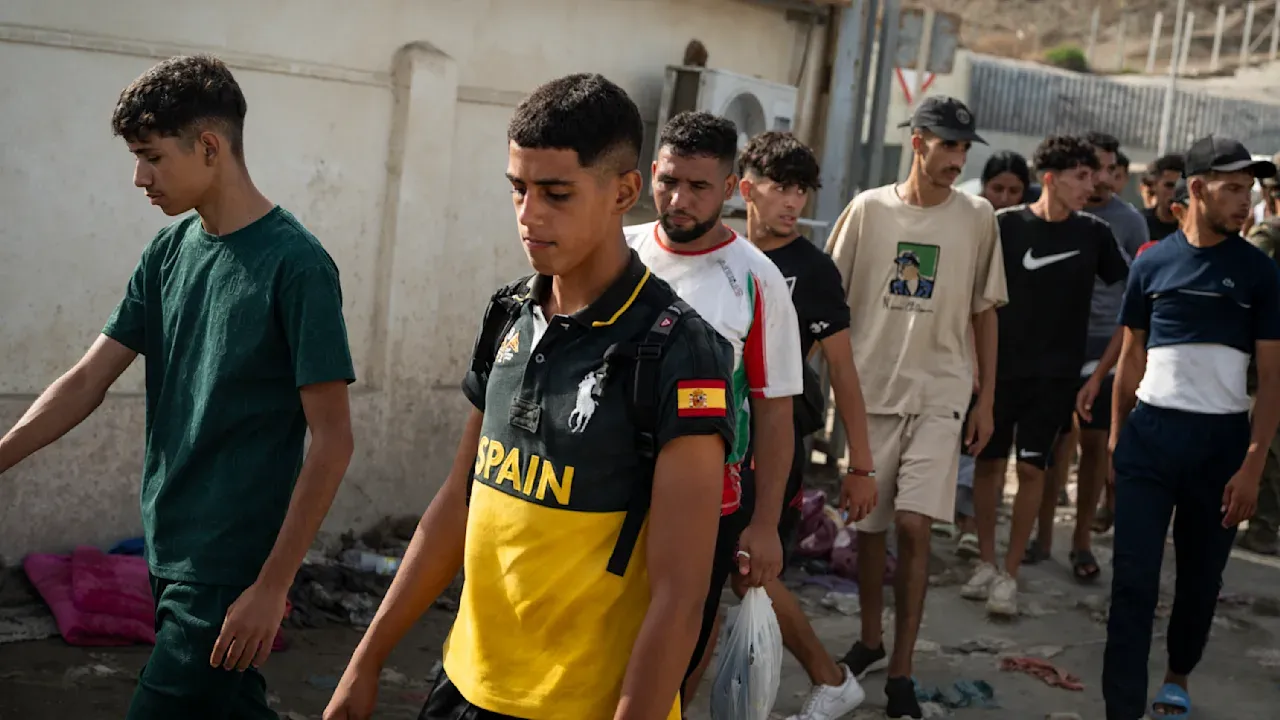
In a surprising turn of events, FIFA has decided to abandon its controversial plans for investor involvement, a move that reflects a significant shift in the organization’s strategy. This announcement comes against the backdrop of a humanitarian crisis unfolding in Ceuta, Spain, where thousands of migrants have been attempting to enter the Spanish exclave. After a dramatic surge in migrant arrivals, Spanish authorities reported that the situation has stabilized more quickly than anticipated.
Spain's Foreign Minister, José Manuel Albares, announced on social media platform X that nearly all of the migrants who rushed to Ceuta have returned to Morocco, indicating a return to normalcy in the port city. The Spanish Interior Ministry confirmed that around 50,000 migrants crossed the border or swam to Ceuta since Thursday, with approximately 48,300 now having voluntarily returned to their homeland. The regional government initially estimated that as many as 60,000 migrants had arrived, which is roughly 70% of the exclave’s total population.
The Aftermath of the Crisis
The aftermath of the migrant influx has left significant challenges for Ceuta. Many areas of the city remain littered with debris from the chaos, and reports of vandalism have surfaced. Tragically, numerous migrants lost their lives at sea, and others perished in a mass panic, with authorities citing at least 57 fatalities. This overwhelming number of deaths has strained the city's morgue facilities, necessitating the establishment of additional storage for the deceased.
Despite the turmoil, life in Ceuta is gradually returning to normal. Local restaurants have reopened, and residents are starting to resume their daily routines. A key factor contributing to the swift return of many migrants is their realization that they lacked a viable opportunity for permanent residence. One migrant from Morocco expressed to the Associated Press, "I found no opportunities here, so I must return." Many had resorted to sleeping in parks or on sidewalks in the days leading up to their return.
In response to the crisis in Ceuta, Italy suspended the Schengen Agreement with Spain for a month, focusing its controls on non-EU citizens arriving by air or sea. Minister Albares fiercely rebutted this move on social media, asserting that the integrity of the Schengen Zone is "absolutely guaranteed" and calling for an end to the confusion driven by vested interests. Meanwhile, German Interior Minister Alexander Dobrindt has extended border controls in light of the situation.
The Left Party in Germany has called for the country to accept migrants from Ceuta, emphasizing that the immediate priority is to prevent further loss of life. As the migrant crisis continues to unfold, the humanitarian needs remain pressing, and the eyes of Europe are focused on the developments in Ceuta.
As reported by bild.de.