
Infantino’s Strategic Move to Gain Support
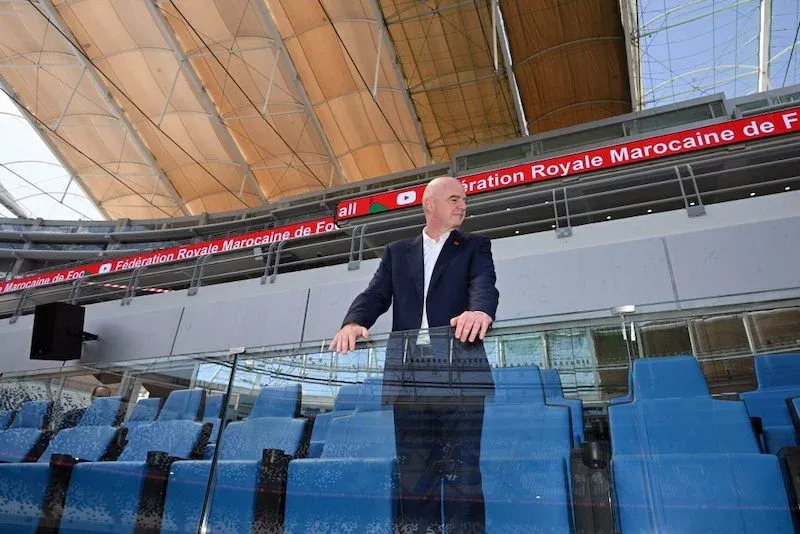
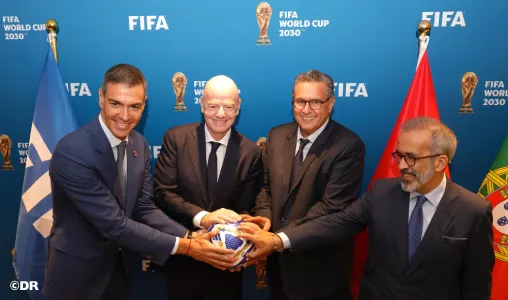
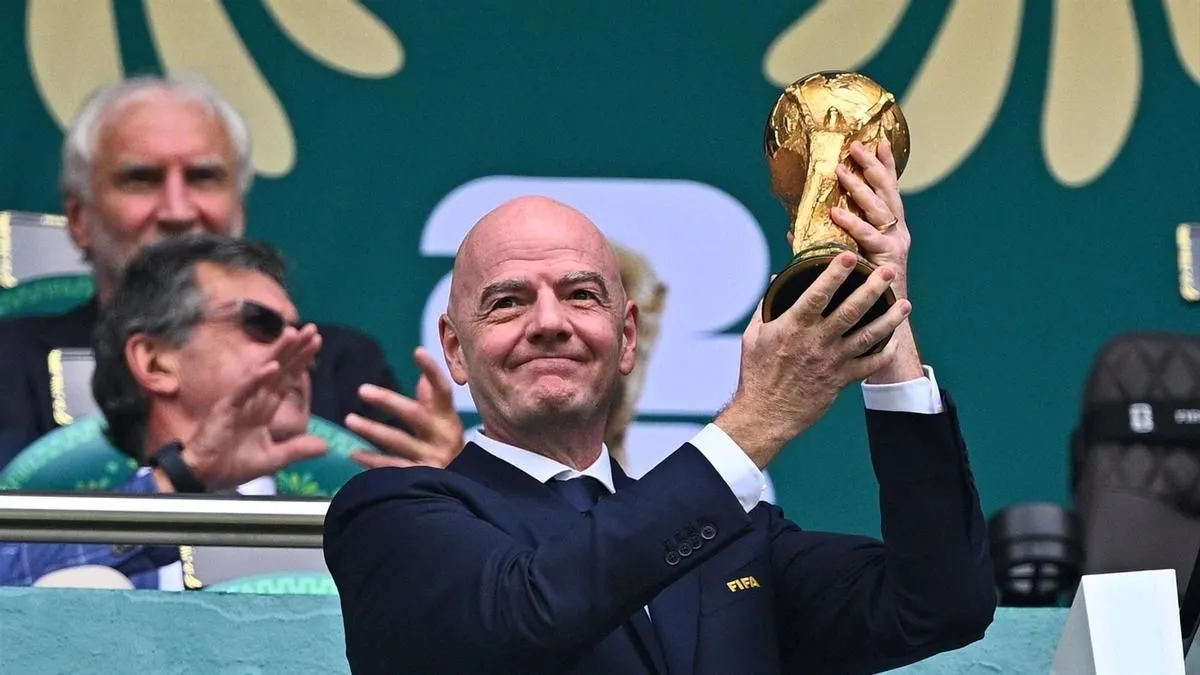
Gianni Infantino, the President of FIFA, recently proposed that Morocco host the final of the upcoming 2030 World Cup, which is co-organized with Spain and Portugal. This proposal, reported by The Times, is seen as a strategic maneuver to secure support from the African nation, which has been one of Infantino's allies, particularly during a challenging period marked by the withdrawal of backing from several nations that previously endorsed his re-election. As he faces an increasingly precarious future within FIFA, Infantino is making efforts to rally support ahead of the elections scheduled for next March.
The context of this offer comes amid rising tensions, especially after Spanish political party Sumar filed a non-binding proposal urging the government to request a "specific review and assessment of the current joint organization model" for the World Cup, indicating a desire to prevent shared hosting with Morocco. This request follows a humanitarian crisis in Ceuta, where at least 141 individuals lost their lives attempting to cross the border, further complicating the political landscape surrounding the tournament.
Challenges and Reactions to Infantino’s Offer
Infantino’s offer to Morocco is part of a larger strategy to consolidate his re-election support. Recently, Wales became the first federation to withdraw its backing for his candidacy, a move that has been echoed by other European nations, including England, Finland, and Serbia. As more federations contemplate distancing themselves from Infantino, the potential for a shift in support from CONCACAF nations is also on the horizon, adding to his mounting challenges.
Moreover, the Jordanian Football Federation President, Prince Ali, accused Infantino's team of "blackmail," suggesting that support for his candidacy was implied to be a necessity for assistance to their football federation. This allegation highlights the growing discontent surrounding Infantino’s leadership, especially following his controversial proposal to privatize the World Cup, which faced backlash and led to retraction and denial by his deputy, FIFA Secretary General Mattias Grafström, who recently described the initiative as "a series of sad and reprehensible events."
In response to the swirling controversy, Spain's Minister of Education, Vocational Training, and Sports, Milagros Tolón, expressed confidence that Spain would host the final. She underscored the nation's significant advantages, including extensive experience in hosting major sporting events, robust infrastructure, and a strong commitment to security. Tolón emphasized that the decision ultimately lies with FIFA rather than the governments of Morocco, Portugal, or Spain, and she firmly believes that Spain's stature in the football world has only grown in recent months.
As reported by eldiario.es.