
Political Landscape Shaped by Youth Discontent and Global Issues
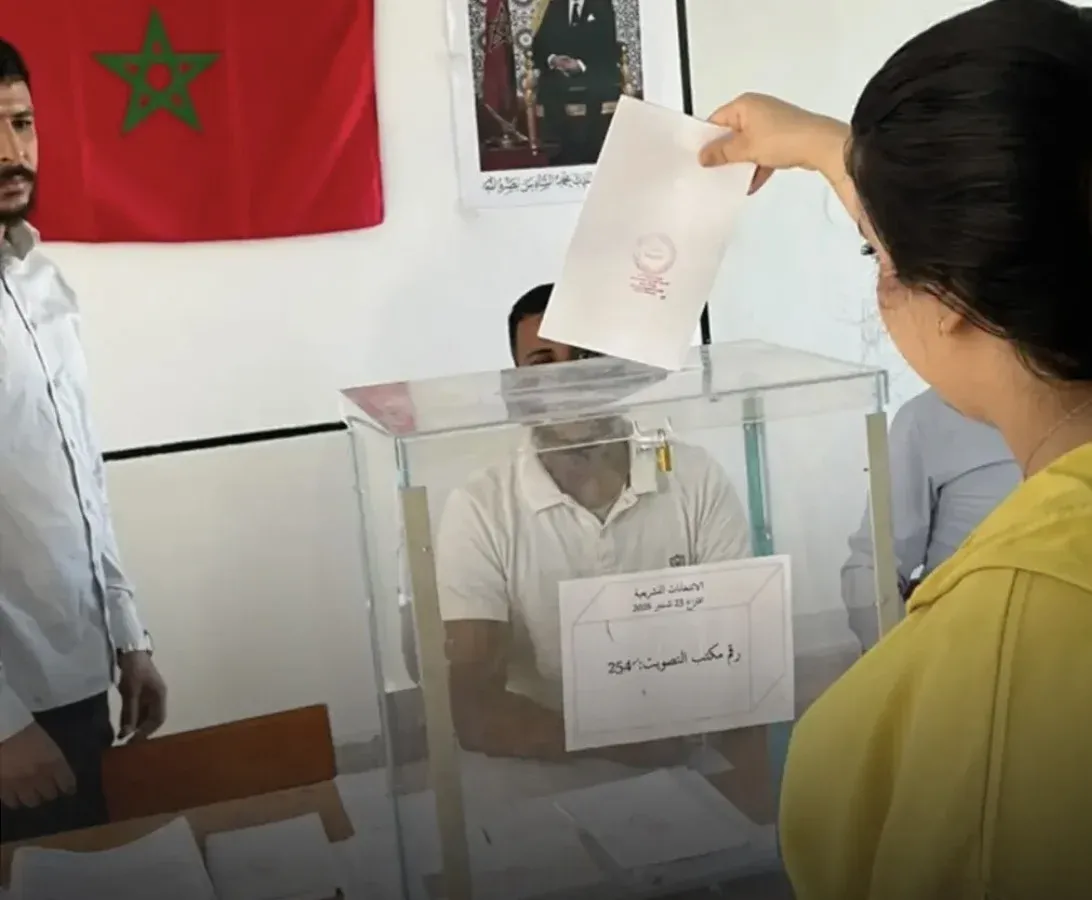
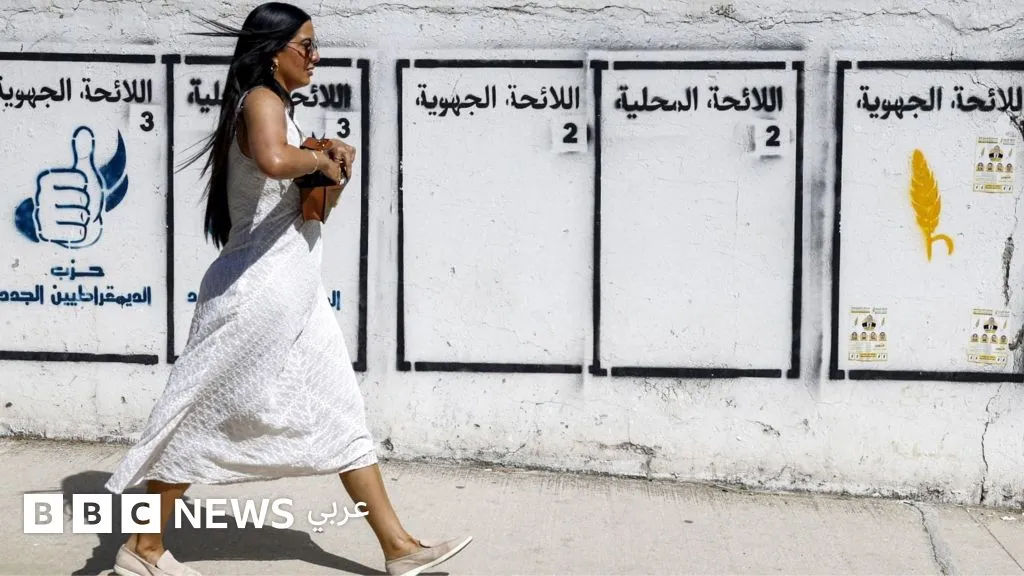
As Morocco gears up for its parliamentary elections scheduled for Wednesday, political parties are making concerted efforts to attract disillusioned young voters through widely popular football slogans, promises of creating one million job opportunities, and calls to rally against Israel. Despite these initiatives, many young Moroccans perceive politics as being entirely disconnected from their realities. As environmental activist Sihem Azroual, 32, residing in the Atlas region, shared with the BBC, she expressed a profound sense of hopelessness regarding the elections, labeling the current political scene as nothing short of a circus.
The election results will be pivotal in determining the composition of the forthcoming government, especially in light of the recent perilous journey taken by approximately 60,000 individuals crossing from Morocco to the Spanish enclave of Ceuta, highlighting the acute feelings of opportunity scarcity among the youth in the country. Morocco operates under a constitutional monarchy where political parties vie for 395 seats in the House of Representatives, the legislative chamber. However, the executive power is closely tied to the royal palace, with King Mohammed VI, aged 63, appointing the Prime Minister from the winning party and presiding over the ministerial council, the primary policy-making body in the nation.
Protests, Promises, and Political Aspirations
This current electoral campaign follows a wave of protests led by Generation Z, which erupted in September 2025 due to rising unemployment, poor healthcare, and escalating living costs. The demonstrators shouted slogans advocating for freedom, dignity, and social justice, escalating their demands to "Get Out, Akhannouch," a direct reference to the current Prime Minister Aziz Akhannouch. In the wake of these protests, over 2,400 individuals faced legal action, yet some youth activists are opting to engage in the political arena. Hamza Khroubi, a 29-year-old who was briefly detained during the protests, is now contesting in the parliamentary elections as a candidate for the Environmental and Sustainable Development Party, a relatively obscure party focusing on environmental issues. Khroubi articulated his motivations, stating that he joined this party to attract more faces from Generation Z and to ensure that their demands are voiced freely.
Hailing from Tetouan, just 34 kilometers from the beach of Fnideq—a launch point for the migration wave to Ceuta—Khroubi underscored the connection between these migration patterns and the economic difficulties and unemployment plaguing the youth. The International Monetary Fund estimates the overall unemployment rate stood at 13% last year, soaring to 37.3% among youth aged 15 to 24. Khroubi's objective is not to rival established political forces but to secure a voice in parliament that can be built upon for the future, aiming for a stronger representation of young politicians in the government by 2031.
Football, a passion that unites Moroccans, plays a crucial role in shaping the political narrative, with Fouzi Lekjaa, president of the Royal Moroccan Football Federation, emerging as a significant political figure. His involvement in politics coincides with Morocco's recent successes in international football, particularly during the World Cup 2022, where Morocco became the first Arab and African nation to reach the semi-finals. Lekjaa, who joined the centrist Party of Authenticity and Modernity in July, has captivated the public’s attention, promising to elevate Morocco’s global ranking in education and healthcare to match the national football team's standing in FIFA.
As political parties, including the ruling National Rally of Independents led by Akhannouch, vie for a second term, they have reiterated their commitment to creating one million job opportunities by 2031. However, political analyst Rashid Oraz from the Moroccan Policy Analysis Institute remains skeptical about these promises, suggesting that the slogan of a million jobs has become a tired electoral cliché that fails to withstand the structural challenges of achieving sustainable job growth. Moreover, he notes that major parties do not compete to present an alternative model but rather on how to execute public policies dictated by the royal vision.
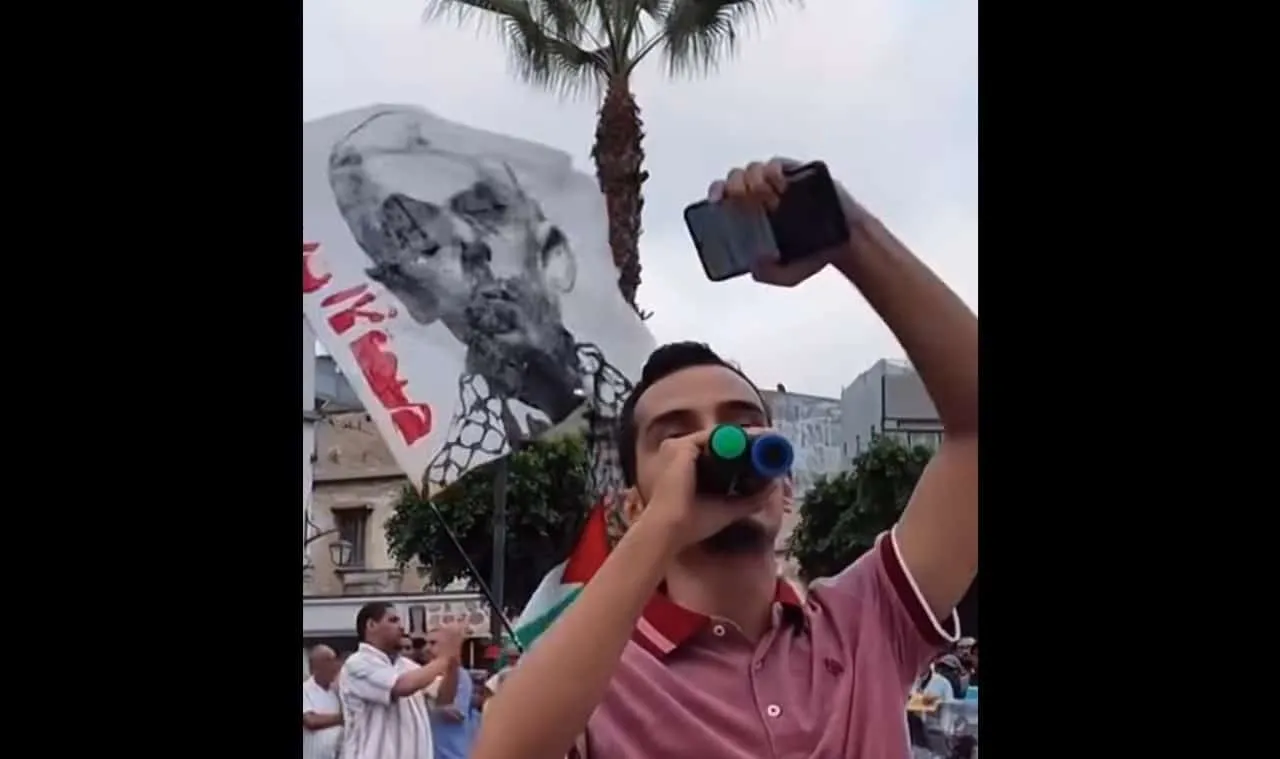
The Justice and Development Party, an Islamist party, is seeking to regain political traction by leveraging anti-Israel sentiments to win over voters. Morocco normalized relations with Israel in December 2020 as part of the Abraham Accords brokered by the United States. Under the leadership of former Prime Minister Abdelilah Benkirane, the party is campaigning on the promise to sever diplomatic ties with Israel, claiming that normalization was a mistake made by his party during its governance from 2016 to 2021. The bilateral relations were strained during the Gaza conflict, leading to weekly protests in the capital, Rabat, against the Israeli diplomatic presence.
Despite the protests and the outrage directed at Israel, which saw tens of thousands take to the streets, the announcement of full diplomatic missions between the two nations earlier this month reflects a complex political landscape. Benkirane urged his supporters during a rally in Marrakech to raise their voices, asserting that, with hard work, the King would close the Israeli embassy, emphasizing the need to heed the people's will against the perceived threats posed by Israel and Zionism in Morocco. With those under 35 making up more than half of Morocco's population of approximately 38.8 million, yet only 4% of the over 15.8 million registered voters, the challenge remains for the youth to make their voices heard in a landscape often dominated by familiar faces and entrenched interests.
As reported by bbc.com.