
Morocco's Political Maneuvering Amid Migration Crisis
Amid the escalating migration crisis in Ceuta, Morocco is strategically positioning itself to elevate **Fouzi Lekjaa**, the influential president of the Moroccan Football Federation, as the new Prime Minister, replacing **Aziz Akhannouch** in the coming weeks. This political move underscores the Kingdom's serious ambition to host the **2030 World Cup**, particularly in a bid to seize the final match from Spain, a plan first revealed by THE OBJECTIVE in early July. Central to this initiative is the new stadium being constructed in Casablanca, which is set to become the largest in the world.
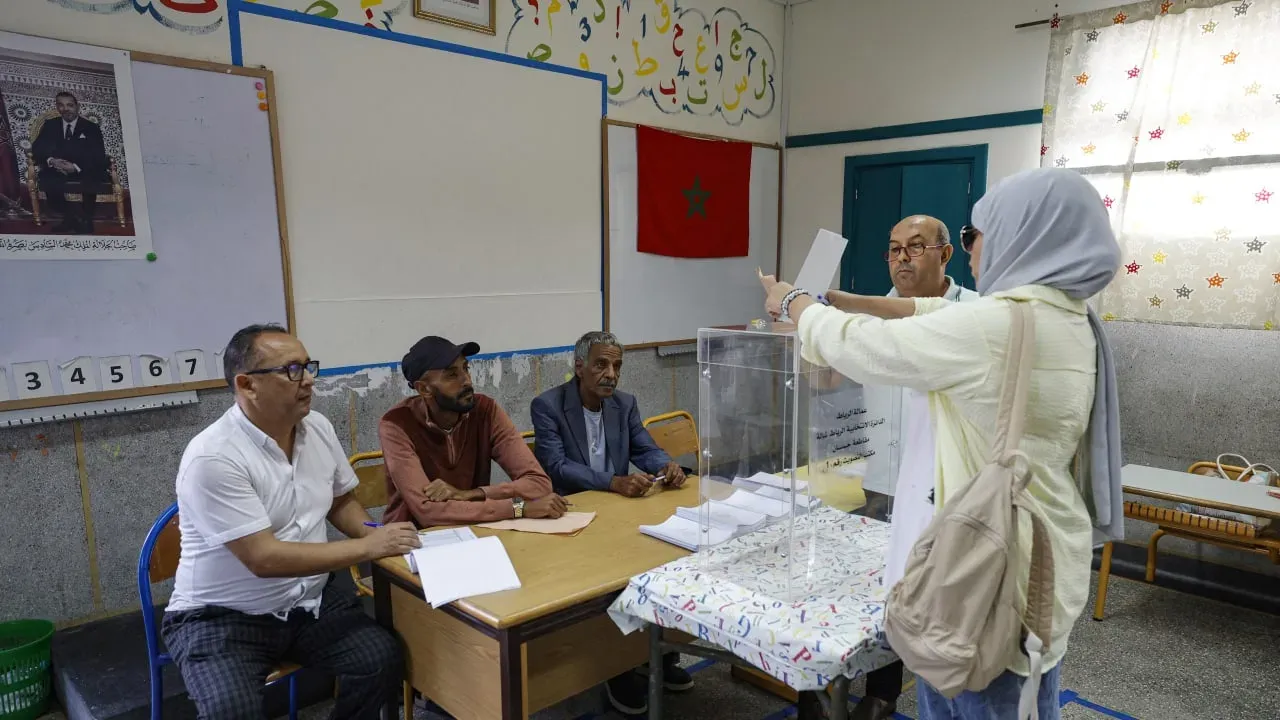
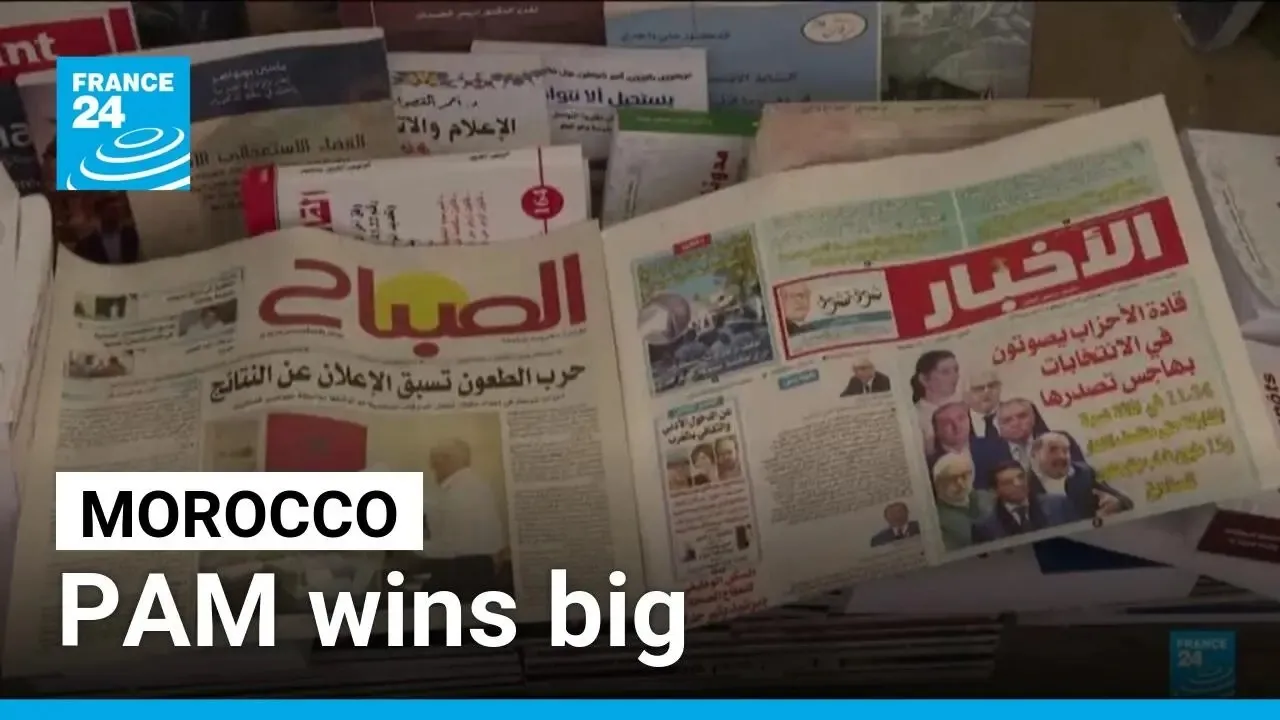
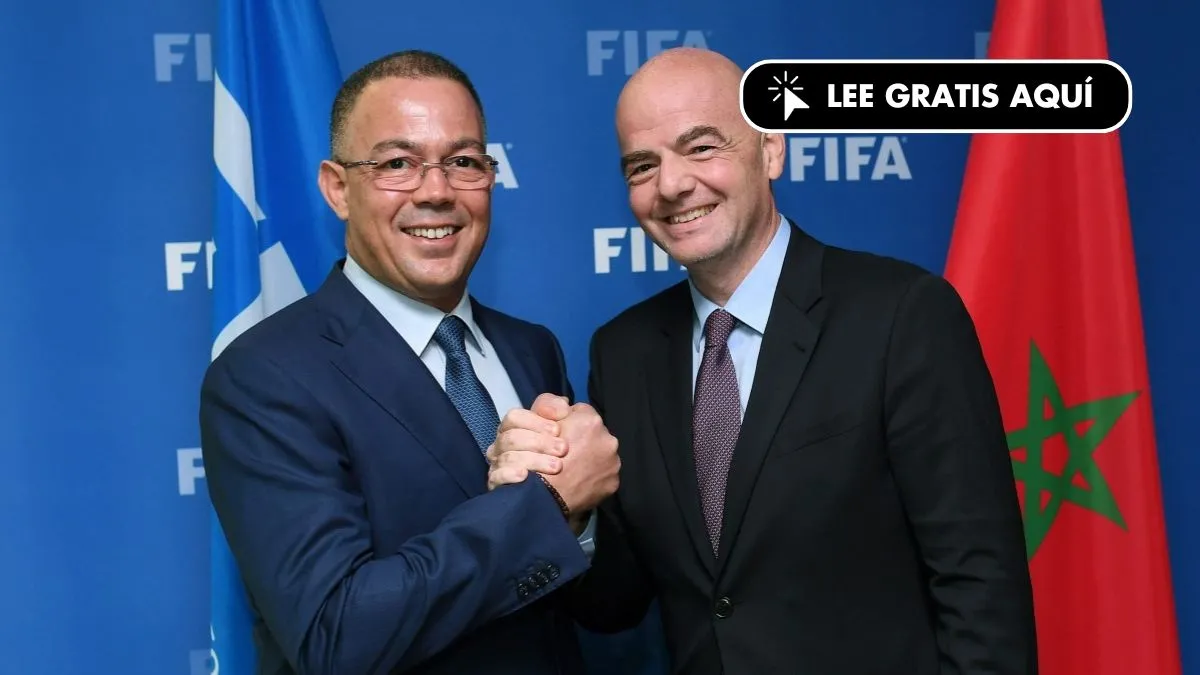
Currently serving as the Minister Delegate for Budget, Lekjaa has launched his political campaign to run in the legislative elections scheduled for September 23, representing the **Party of Authenticity and Modernity** (PAM). He joined this secular reformist party at the end of July, following the World Cup. Lekjaa, who has maintained a technocratic profile and enjoys a close relationship with FIFA President Gianni Infantino, has been a prominent figure alongside the Moroccan national team during the football tournament. While he has not yet been officially declared a candidate for the elections, major newspapers have begun to promote him vigorously.
On Sunday, the newspaper _Le360_, known for its proximity to the Palace, highlighted Lekjaa's inaugural political speech in Agadir, addressing leaders of the PAM, a party created by the _Majzén_—a term that refers to the intricate web of power structures supporting the Moroccan monarchy, including the royal family, high-ranking government officials, security services, and business elites. In Morocco, forming a government does not equate to controlling the state; political parties typically manage ministries like Health, Education, and Agriculture, while key ministries such as Interior, Foreign Affairs, Defense, and Religious Affairs remain directly linked to the Palace.
Political Repercussions of Recent Events
The PAM, founded in August 2008 by **Fouad Ali El Himma**, a former Secretary of State for the Interior and a close friend of King Mohammed VI, is seen as pivotal in the political landscape. El Himma is believed to have orchestrated the recent influx of 80,000 Moroccans into Ceuta on July 30, as part of a strategy to weaken the Akhannouch government, thereby asserting greater control over the state apparatus just months ahead of the legislative elections. Should the PAM win, as hinted by Moroccan media, King Mohammed VI would likely appoint Lekjaa to form a government in place of Akhannouch, who won the last elections four years ago but is now facing significant political decline. Following his announcement that he would not seek re-election in September, the ruling National Rally of Independents (RNI) is now in search of a new candidate to replace Akhannouch, who recently faced backlash for vacationing in the Balearic Islands amid the Ceuta crisis.
The RNI emerged as the victor in the 2022 elections with 102 seats, followed by the PAM with 87 and the conservative Istiqlal Party with 81. The once-dominant Justice and Development Party (PJD) has seen a resurgence in polls under former Prime Minister **Abdelilah Benkirane**, although it appears unlikely that the moderate Islamists will garner sufficient support to return to power.
According to _Bladi.net_, “The RNI possesses elected officials, territorial networks, and a central position in the majority, but it lacked a popular personality capable of embodying national ambition. Lekjaa provides precisely what PAM could not manufacture alone: a competitive image, a results-oriented culture, and a recognition that far surpasses the party's usual electorate.” This commentary appeared on July 30, the same day as the mass migration event, further fueling speculation about Lekjaa's potential political ascent.
The Moroccan Constitution allows for greater discretion for the monarch in appointing a new head of government compared to its Spanish counterpart. Article 47 states that the King can choose someone from the party that wins the legislative elections, but it does not require the chosen individual to be the party's official leader. Therefore, if the PAM secures the most votes, “the appointment of Fouzi Lekjaa would become constitutionally feasible,” as noted by _Bladi.net_.
“We are not there yet. His candidacy still needs to be officially presented; Moroccans must vote, and the PAM must outperform its competitors. Nothing suggests that the next government will be led by Fouzi Lekjaa. However, everything seems to be orchestrated in a way that makes this possibility appear less extravagant. Just a few months ago, Fouzi Lekjaa was a technocratic minister and the powerful president of the Royal Moroccan Football Federation. Today, he has transformed into a politician, a likely candidate, and a possible Prime Minister,” the Moroccan newspaper concludes.
If Lekjaa were to succeed Akhannouch at the behest of Mohammed VI, it would vividly demonstrate Morocco's political commitment to the upcoming 2030 World Cup, especially in light of the impending vote that will determine the final's host city. Recently, Morocco has launched a diplomatic offensive during the sporting event held in the United States, Canada, and Mexico, with efforts led by the Moroccan ambassador to the U.S., **Youssef Amrani**, and Lekjaa himself, who was appointed by the monarch to oversee state budgets at the start of the legislative term.
The Spanish Football Federation, led by Rafael Louzán, had anticipated that the final would be held in Madrid—or Barcelona as an alternative—but internal unease is beginning to surface. Rabat has been courting Infantino in recent weeks, as he was among the invited guests at the Throne Day celebration, and has assured him that if the final takes place in the new Casablanca stadium, it would become the most profitable event in football history, with a projected difference of 150 million euros compared to Madrid's Bernabéu.
As reported by theobjective.com.