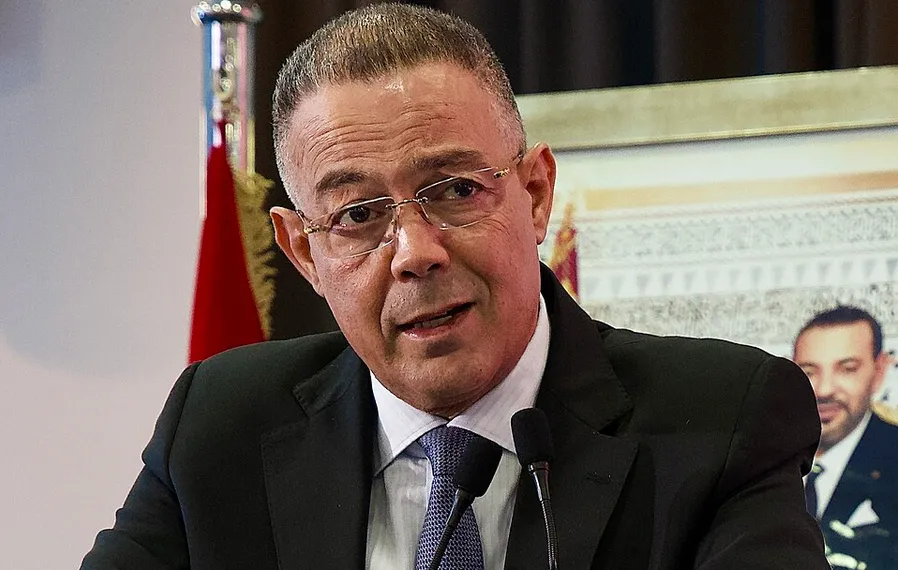

Fouzi Lekjaa, a prominent member of FIFA's council and the architect behind Morocco's rise in global football, has recently made a significant pivot in the realm of domestic politics. This move has led many to speculate whether it marks the beginning of his journey towards the prime minister's office. On June 13, 2018, just a day before the opening match of the FIFA World Cup in Russia, Lekjaa found himself in a contemplative state at a Moscow terrace bar, grappling with the disappointing outcome of Morocco's bid to host the 2026 World Cup, which ultimately fell short against the United bid from the US, Canada, and Mexico. Despite the odds being stacked against Morocco, Lekjaa's passion for football and his commitment to the nation's aspirations were evident. His determination to lead Morocco’s football ambitions has been unwavering, even as he faced setbacks in previous bids dating back to 1994.
With a background rooted in agricultural engineering and sports administration, Lekjaa's rise to prominence began in his hometown of Berkane, where he transformed the local club, Renaissance Sportive de Berkane, into a competitive force. His tenure as president of the club saw them achieve remarkable success, including two consecutive promotions back to Morocco's top division. Lekjaa’s political acumen became evident when he and his ally Ilyas El Omari orchestrated a takeover of the Royal Moroccan Football Federation (FRMF) in 2013, although initial electoral challenges delayed his presidency until he won the rematch in 2014. His vision for modernizing Moroccan football has since resulted in unprecedented investments directed towards the sport, with billions allocated to infrastructure and development, particularly in anticipation of co-hosting the 2030 World Cup.
Morocco's football ambitions are underpinned by substantial financial backing, not solely from Lekjaa's influence as a key political figure close to the monarchy but also from state-owned enterprises like the OCP Group, which plays a pivotal role in the nation's economy through its phosphate industry. This financial muscle has enabled Morocco to construct world-class facilities, including the Grand Stade Hassan II, and to support grassroots programs that nurture emerging talent across the country. The investments extend beyond football alone, encompassing broader infrastructure projects that are set to enhance Morocco's global standing and capabilities.
As Morocco's football landscape continues to evolve, Lekjaa’s influence within the international football community has grown significantly. Despite his powerful position, he has refrained from pursuing the presidency of the Confederation of African Football (CAF), opting instead to maintain a strategic alliance with FIFA president Gianni Infantino. This relationship has proven beneficial for both parties, with Morocco leveraging its influence to advocate for its national interests while Infantino benefits from Lekjaa's support in maintaining a solid voting bloc within FIFA.
The future of Moroccan football appears bright under Lekjaa's leadership, marked by historic achievements on the pitch, including Morocco's remarkable performance at the 2022 FIFA World Cup. His ability to navigate the complex interplay of football administration and politics underscores his role as a critical figure in not only shaping the future of Moroccan football but potentially influencing the broader political landscape of the country.
As reported by josimarfootball.com.