
Political Dynamics in Morocco Ahead of Elections
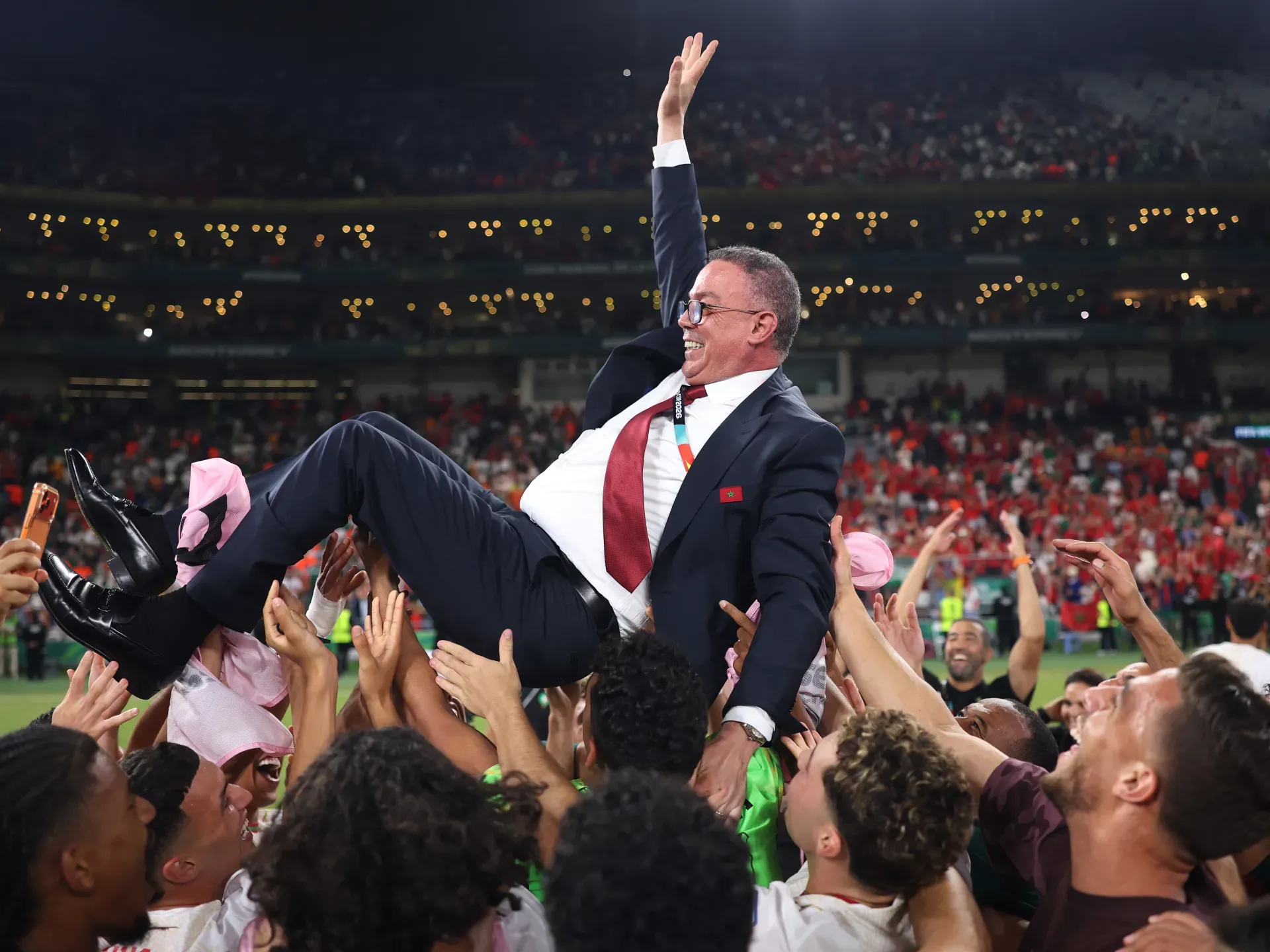
As Morocco gears up for its parliamentary elections scheduled for September 23, the political landscape is witnessing a significant shift, primarily fueled by the recent decision of Fouzi Lekjaa, a prominent figure in Moroccan public service, to engage in partisan politics. Lekjaa, who serves as the minister delegate for the budget and is also the president of the Royal Moroccan Football Federation (FRMF), has announced his affiliation with the Authenticity and Modernity Party (PAM). This pivotal move has sparked intense discussions among political analysts and within social media circles, as it transcends mere party allegiance, signifying a broader transformation in the political sphere of Morocco. Historically, Lekjaa has gained acclaim for his contributions to public finance and the modernization of Moroccan football, establishing a reputation rooted in public administration rather than electoral politics.
The implications of Lekjaa's political entry are manifold, especially given the timing of his decision. Mustafa Ahdar, a constitutional law and political science researcher at Ibn Zohr University, emphasized the constitutional freedom of Moroccan citizens to join any political party, a principle reiterated by former PAM secretary-general Abdellatif Ouahbi. However, Ahdar posits that Lekjaa’s dual role as a high-ranking minister and head of a national sports federation complicates his entry into politics, setting him apart from the average citizen. The upcoming government, which will be formed post-election, will be tasked with overseeing Morocco's preparations for the 2030 FIFA World Cup, a monumental event that the nation will cohost with Spain and Portugal. This new administration is expected to focus heavily on infrastructure, transport, and tourism, with commentators dubbing it Morocco's “World Cup government,” which will be evaluated not only on traditional economic metrics but also on its ability to successfully host the global event.
The Intersection of Politics and Public Performance
The ascent of Fouzi Lekjaa is emblematic of a growing trend in Morocco and beyond, where accomplished public officials are increasingly leveraged as political assets. His tenure as the budget minister has seen him become synonymous with significant infrastructure and investment initiatives, while simultaneously playing a crucial role in the renaissance of Moroccan football. The Atlas Lions’ remarkable journey to the semifinals of the 2022 FIFA World Cup has not only elevated Morocco's standing on the international stage but has also bolstered its soft power across Africa and the Arab world, with football becoming a beacon of national pride and institutional capability. Nevertheless, Ahdar raises pertinent questions regarding the evolving role of political parties in this context. He argues that political parties should serve as platforms for civic engagement and the development of future leaders. Yet, the increasing trend of parties recruiting charismatic figures who have gained popularity outside traditional political channels poses a threat to this foundational mission.
Furthermore, the political climate in Morocco reflects a shifting electorate. While voter turnout exceeded 50 percent in the 2021 parliamentary elections, nearly half of eligible voters abstained, indicating a growing disillusionment with political parties rather than a lack of political engagement. This sentiment is particularly prevalent among younger Moroccans, who are increasingly voicing their concerns through social media and public protests addressing issues like unemployment and rising living costs. Ahdar notes that the discourse surrounding Lekjaa's political entry illustrates this changing dynamic, as the focus has shifted from PAM's political agenda to the implications of Lekjaa's arrival. Social media users have even humorously suggested that “Lekjaa attracted PAM rather than PAM attracting Lekjaa,” highlighting the burgeoning trend of personal branding in politics.
Morocco's constitutional framework, established in 2011, has expanded parliamentary powers while ensuring the monarchy's pivotal role in government formation. Article 47 grants the king the authority to appoint the head of government from the party securing the most parliamentary seats, resulting in coalition governments as a norm. Speculation regarding Lekjaa’s future within the political arena has intensified, despite no formal indication of his candidacy for the head of government. Ahdar draws parallels between Lekjaa and Prime Minister Aziz Akhannouch, both of whom transitioned into politics after establishing themselves outside conventional party structures, raising questions about internal party democracy and the speed at which outsiders can ascend to influential positions.
PAM, founded in 2008, aims to position itself as a modern political force advocating for institutional reform and economic modernization, yet it has faced scrutiny over corruption and misuse of power among some of its officials. By recruiting a figure like Lekjaa, who is associated with effective governance and sporting success, PAM seeks to bolster its image and divert attention from critiques of its economic performance. While administrative competence can enhance political credibility, governing effectively necessitates more than just managerial skills. Morocco is grappling with significant challenges, including high unemployment rates, educational deficits, healthcare inequities, regional disparities, and escalating living costs. Nouh El Harmouzi, director of the Arab Center for Research, points out that Lekjaa's unique combination of experience in public finance and strategic planning explains the considerable attention surrounding his political maneuver.
The discourse around Lekjaa's entry into politics has also resonated with Moroccans living abroad. Touria Guerraoui, a Moroccan-French technology expert, highlights that the diaspora is particularly attuned to Lekjaa's political decision due to his popularity stemming from football. Many expatriates closely followed the national team's successes, fostering a sense of connection to these achievements. Guerraoui compares this phenomenon to other contexts, such as French President Emmanuel Macron, who transitioned into politics after a substantial career in the private and public sectors. The diaspora's pride in the Moroccan football team's achievements raises questions about whether the effective administration demonstrated in sports can translate into the economic and social progress that the Moroccan populace anticipates.
As reported by aljazeera.com.