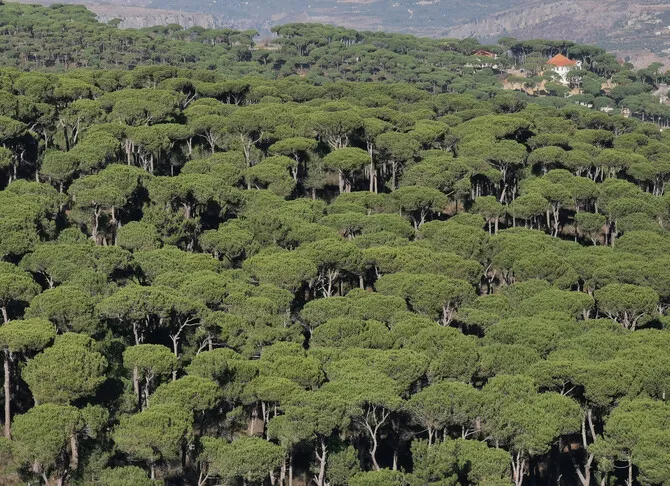

On Tuesday, in Rabat, France showcased the outcomes of several cooperation projects it has undertaken with Morocco, focusing on water management and the preservation of natural resources. This initiative coincided with a field visit from Éléonore Caroit, the French Minister Delegate for Francophonie and International Partnerships. During her visit, she emphasized the "tangible impact" of programs funded by the French Development Agency (AFD) in Morocco, especially in light of increasing climate pressures, dwindling water availability, and heightened risks of forest fires.
While at the National Agency for Water and Forests (ANEF), Caroit praised the collaboration between the Moroccan institution and the AFD, which aims to protect biodiversity, enhance territorial resilience, and support local communities in facing environmental risks. One of the key facilities she visited was the National Center for Fire Prevention, recognized as a vital component in monitoring and anticipating forest fires across the kingdom.
"Investing in development and preventing risks is always more efficient and less costly than responding to them," Caroit stated, underscoring the proactive approach to environmental challenges. This visit comes at a time when Rabat and Paris reaffirmed their commitment to strengthening forest cooperation through the "Ghabati Hayati – My Forest, My Life" program, which is backed by 103 million euros from the AFD. This marks the first major international initiative supporting Morocco's strategic plan, "Forests of Morocco 2020-2030."
Additionally, the French minister toured facilities related to water management, highlighting the challenges posed by water stress in Morocco, a country grappling with severe conditions due to a combination of drought, population growth, and agricultural demands. According to Caroit, the AFD has been instrumental for over three decades in transforming the Moroccan hydraulic sector, with investments that have significantly improved access to drinking water for around 4 million people.
Among the projects highlighted was the Tamesna wastewater treatment plant, which serves as an exemplary model of cooperation aimed at improving living conditions, safeguarding public health, and promoting sustainable management of water resources.
As reported by aa.com.tr.