
France Restores Cretaceous Fossils to Morocco
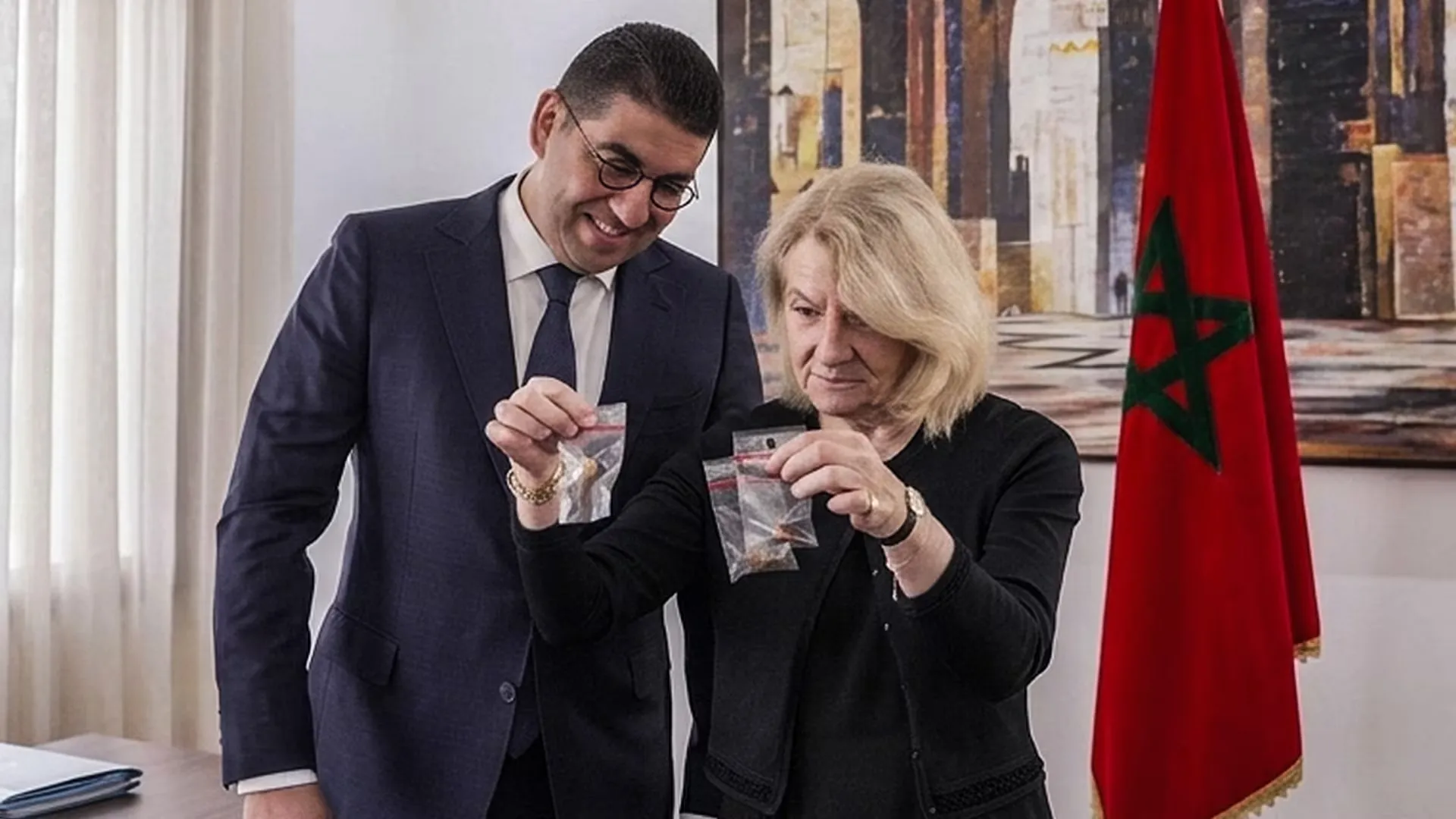
In a significant gesture of international cooperation and cultural preservation, France has returned nine dinosaur teeth, dating back nearly 70 million years, to Morocco. These fossils were seized by French customs authorities in February 2025 during a routine inspection of a freight truck in Menton, Alpes-Maritimes, which was en route from Spain to Italy. Hidden within the cargo, these prehistoric relics originate from Morocco's rich geological basin, specifically from the Upper Cretaceous period, which spans from approximately 72 to 66 million years ago.
The successful repatriation of these fossils was made possible through close collaboration among the French customs, the French Ministry of Culture, and the French Embassy in Morocco. This operation underscores the importance of international agreements aimed at protecting cultural heritage and combating the illicit trafficking of paleontological treasures. Such collaborations are crucial for safeguarding Morocco's unique fossil heritage, which is frequently targeted for illegal export to private collections around the world.
Significance of the Recovered Fossils
The recovered lot includes a tooth from the marine reptile Zarafasaura oceanis, known for its long neck, along with three teeth from mosasaurs, formidable marine predators that have captured public imagination. Additionally, five teeth are believed to belong to Dyrosaurus phosphaticus, a crocodile-like reptile that thrived in the phosphatic formations of Morocco. This restitution not only highlights the ongoing challenges related to the illegal fossil market but also emphasizes the need for vigilant preservation efforts in a country blessed with exceptional paleontological sites.
The return of these fossils serves as a reminder of Morocco's rich paleontological legacy, which continues to face threats from illegal trafficking. The global demand for fossils makes the protection of these irreplaceable resources even more critical. As Morocco navigates these challenges, it remains committed to preserving its natural history for future generations, reinforcing the importance of international cooperation in cultural heritage protection.
As reported by fr.le360.ma.