France's Stance on Morocco's Autonomy Plan
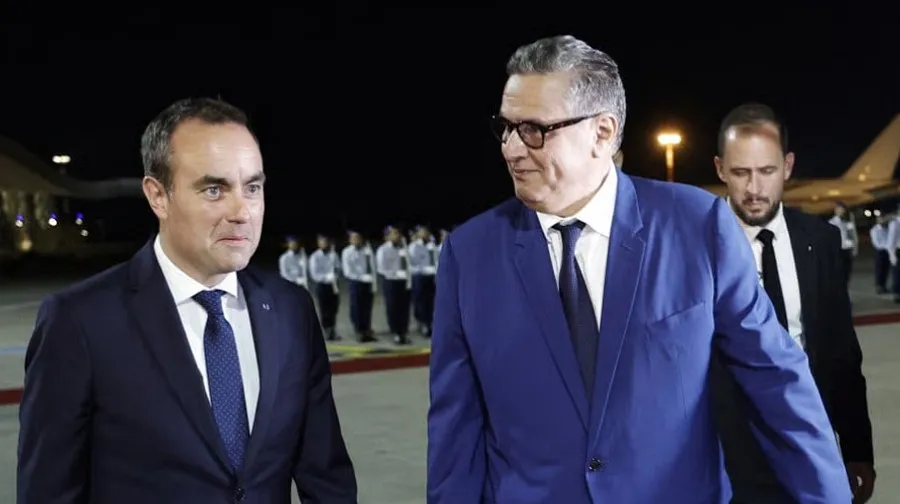
On a recent visit to Rabat, French Prime Minister Sébastien Lecornu made a statement that hinted at the potential consequences of Algeria's reactions to France's unwavering support for Morocco's autonomy plan regarding Western Sahara. This plan is presented by France as the sole resolution to the long-standing conflict in the region, despite the clear aspirations of the Sahrawi people for self-determination. The French government's diplomatic efforts appear to be focused on promoting this narrative to the international community, disregarding the rights of the Sahrawi population while the vast resources of Western Sahara continue to attract foreign interest.
Contradictions in Franco-Algerian Relations
Lecornu’s insistence on the potential repercussions of Algeria's response underscores a frank disregard for Algiers' sentiments, revealing that France is unlikely to alter its policy, which is influenced by interests far removed from those of Algeria. The frequent proclamations of friendship and mutual respect between France and Algeria seem to be mere diplomatic rhetoric, masking a more pragmatic and less altruistic reality. Despite the French ambassador to Algeria’s recent effusive remarks suggesting a new chapter in bilateral relations, the reality remains that actions do not align with words. The longstanding ties that bind France to Morocco persist, rooted in historical influence that dates back to the French protectorate era.
The French monarchy's continued support under Marshal Lyautey stands as a testament to the enduring nature of this relationship, where symbols of colonial history, such as Lyautey's statue in Casablanca, serve as reminders that the complexities of colonial legacies are far from resolved. The gestures and statements made by French officials cannot erase the deep-seated mistrust that has developed over decades in Algeria. Many Algerians perceive these diplomatic overtures as insincere, arguing that they reflect a desire to communicate rather than a genuine effort to recalibrate regional policies that have remained unchanged.
French leaders' alternating warm declarations towards Algeria and reaffirmations of loyalty to Morocco fail to assuage Algerian skepticism regarding France's intentions. Each new attempt at rapprochement is quickly overshadowed by reminders of France's foundational commitments to Morocco, revealing a two-faced diplomatic approach where promises to Algeria dissipate when prioritizing perceived strategic interests.
Amidst this backdrop, the resurgence of the Pegasus scandal—previously causing a global uproar due to its implications for French political figures—adds further complexity to the Franco-Algerian narrative. In such a climate of suspicion, diplomatic assurances struggle to gain traction, instead fueling skepticism about the authenticity of France's diplomatic communications, which seem primarily aimed at mitigating the political fallout from sensitive matters.
For the relationship between Algeria and France to regain credibility, it is crucial that it is built on a clear, consistent, and accountable diplomatic framework. The ongoing ambiguities surrounding Western Sahara, coupled with contradictory statements and symbolic gestures lacking concrete outcomes, exacerbate an already significant trust deficit. In diplomacy, while words can indeed open doors, they are not a substitute for concrete actions, and it is in this realm that Paris continues to be awaited.
As reported by algeriepatriotique.com.