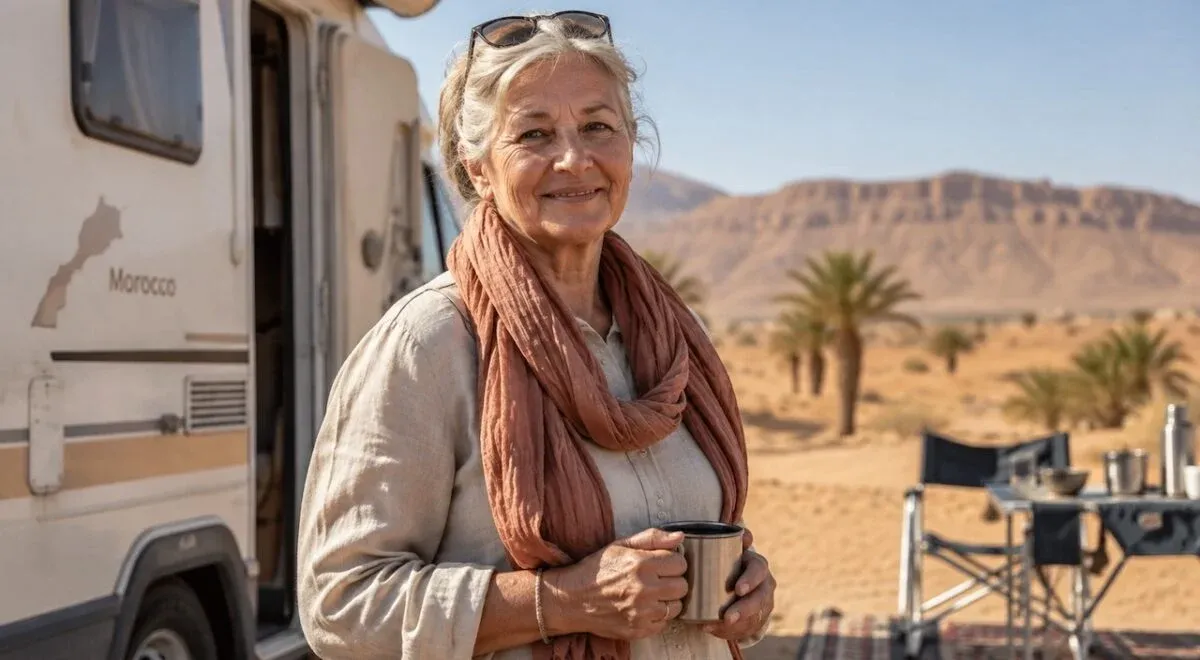

On a highway in Spain, a smiling French retiree takes the wheel of her camper van, embarking on an adventure to spend the winter in Morocco. She encapsulates her new lifestyle in one simple sentence: "Just cook, sweep a little, and that's it." In her compact living space, household chores become manageable, and her mental load lightens significantly. This choice, while seemingly straightforward, transforms her retirement in unexpected ways.
Like her, thousands of French retirees make their way to Agadir and the Souss-Massa region each year, seeking to live for several months in their rolling homes. The allure of sunshine, a lower cost of living, and an easy-going social life draw many to this destination. However, what often emerges from their testimonials is a rare feeling of finally being able to "breathe." Beneath the images of freedom lies the reality of concrete choices, a minimum of organization, and essential rules to follow.
Retirement by Camper Van: Small Space, Big Domestic Freedom
In a documentary filmed in 2018 on the Imineo channel, this traveler explains that at home, she is constantly busy with laundry, gardening, phone calls, and visits. On the road, her responsibilities shrink to a few essential tasks: preparing meals, sweeping, and washing dishes. The rest of her day consists of walking, taking in the scenery, and chatting with fellow travelers. Her daily rhythm is no longer dictated by what she "must" do, but rather by what she "wants" to do.
The journey to Morocco is already part of this nomadic lifestyle. Along with other couples, she travels through France and Spain, avoiding tolls, sleeping in supermarket parking lots or near abandoned factories, before boarding a ferry that crosses the Strait of Gibraltar.
Agadir, Atlantica Parc, and the Migration to Sunshine
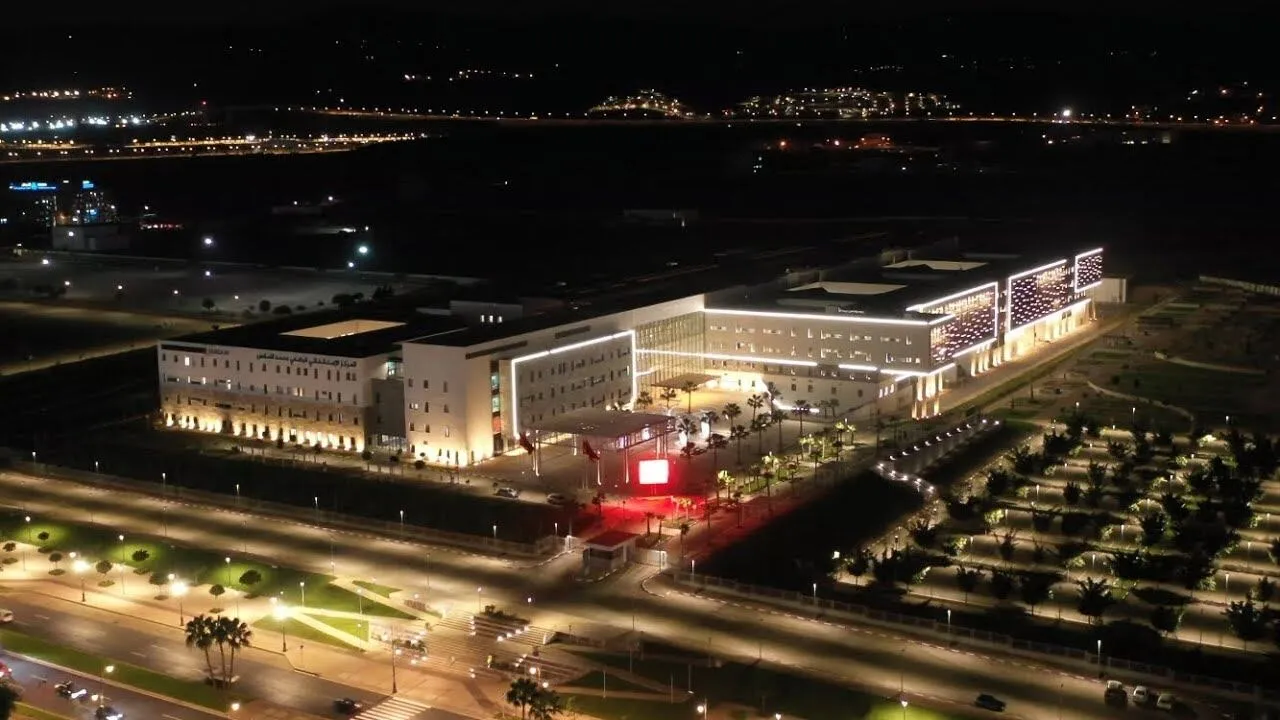
To the south, Agadir serves as a landmark for these retirees. About thirty kilometers away, the Atlantica Parc campground accommodates up to 1,000 camper vans and over 2,000 people spread across 14 hectares, costing around 8 euros per night per vehicle. The site features shops, cafes, washing stations, mechanics, and fishermen selling their catches at the campground entrance, creating a temporary village nestled between the ocean and mountains.
Researchers from the French National Institute for Demographic Studies note that these wintering retirees often stay in the Souss-Massa region for four to six months a year. They are drawn by the mild climate, lower cost of living compared to France, language familiarity, and the sense of safety. Some park for the entire winter in the same spot, while others venture to Taghazout, Tiznit, or inland regions, using campgrounds mainly for refueling and vehicle maintenance.
According to the Moroccan National Tourism Office (Visit Morocco), a tourist stay is typically limited to 90 days in Morocco. An extension beyond this period can be requested from the General Directorate of National Security.
As reported by mariefrance.fr.