
Fuel Price Hike Triggers Public Outcry and Station Closures
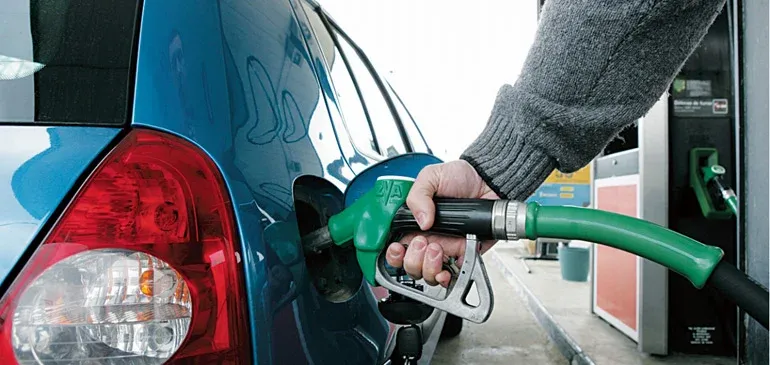
In Morocco, the recent increase in fuel prices has led to significant chaos at gas stations as citizens rushed to fill their tanks before the new rates took effect. Since yesterday, prices for diesel have risen by approximately two dirhams, while gasoline prices have increased by one and a half dirhams. This sudden surge prompted many motorists to flock to fuel stations, resulting in long queues and a notable spike in demand. Some gas stations, observing the overwhelming influx of customers, chose to close their doors, citing depleted stock and opting to wait until midnight to implement the new pricing.
The situation escalated further as various stations opted to raise their prices ahead of schedule, causing widespread frustration among consumers, many of whom voiced their discontent through social media platforms. Mohamed Benkaddour, the president of the National Federation of Consumer Protection Associations, condemned these unethical practices, emphasizing that while the price increase was anticipated, some stations exploited the situation by preemptively hiking prices, which he deemed unacceptable.
Call for Government Intervention Amidst Rising Prices
In light of the alarming price hikes and their impact on the citizens' purchasing power, the Moroccan League for Citizenship and Human Rights expressed serious concerns over the situation. They characterized the price increases as shocking and unjustified, particularly during a period of economic sensitivity. The League argued that such hikes significantly undermine the purchasing power of the populace, especially when salaries are failing to keep pace with the rapidly rising cost of living.
Furthermore, the League has urged the government to conduct an urgent and transparent investigation into the real profits garnered by fuel companies in Morocco and the pricing margins they impose. They have called for a revision of the fuel price liberalization policy, suggesting that it has proven inadequate in protecting consumers. Their recommendations include the reactivation of a compensation system or the implementation of support mechanisms to ensure price stability and alleviate the financial burden on citizens.
In response to the ongoing crisis, both the League and Benkaddour have urged the government to take immediate action to regulate the fuel market and curb the influence of energy lobbies. Benkaddour stressed that the state must intervene and set prices in these extraordinary circumstances, asserting that such critical situations should not be exploited to further strain the financial resources of citizens. He noted that it is not too late for the government to step in and provide necessary support.
Since the liberalization of fuel prices in Morocco on January 1, 2015, subsidies on diesel, gasoline, and fuel oil have been lifted, leaving prices vulnerable to fluctuations in international markets and competition among companies. Retail prices are revised on the first and sixteenth of each month by the companies operating in the sector. However, the Moroccan law allows for exceptional government intervention in such cases, permitting temporary measures to combat excessive price surges due to exceptional circumstances or market disruptions.
As reported by yabiladi.com.