
Morocco's Silent Influence on Spanish Urban Stability
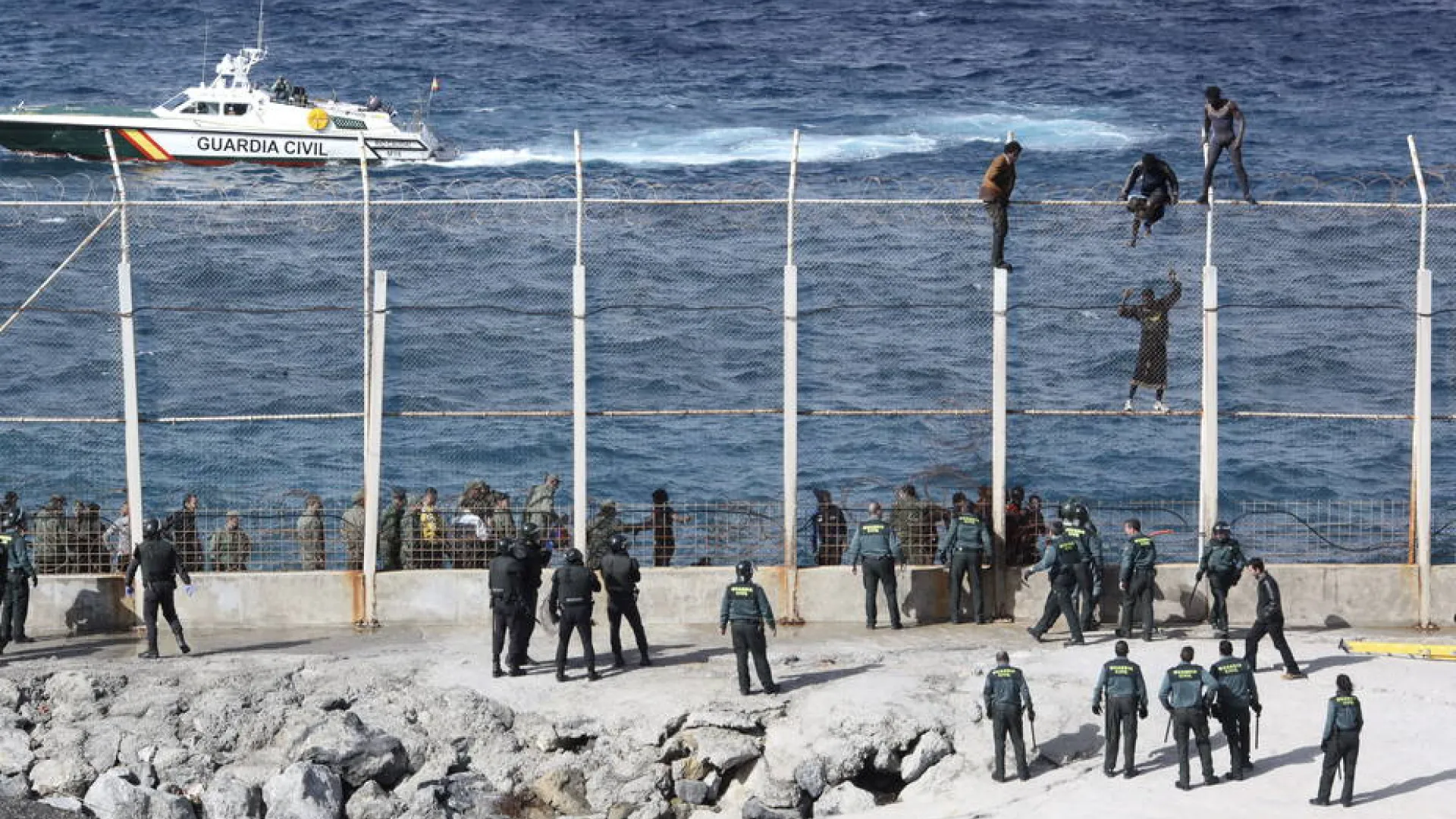
In a recent discussion on the program "La Linterna," the intricate geopolitical dynamics surrounding Morocco's influence on Spain were critically examined. The conversation featured Ignacio Cembrero, a prominent journalist specializing in the geopolitics of the Maghreb, alongside Alberto Pérez Giménez, deputy director at El Confidencial, and Nicolás Redondo Terreros, a political analyst. They delved into the ongoing migration crisis in Ceuta, particularly in light of the recent declassification of 40 intelligence documents that have shed new light on the tension between the Spanish government and its intelligence services.
During the analysis, Cembrero emphasized that Morocco has demonstrated a remarkable ability to destabilize Spanish cities without the need for military action. He stated, "Morocco has shown that it can completely destabilize a Spanish city without firing a shot; this is why the Spanish government defends its collaboration with Rabat." This assertion raises significant questions about the strategies employed by Morocco to exert influence over Spain and the implications for Spanish national security.
Government Accountability and Strategic Alliances
The panelists discussed the recent comments made by Spanish Prime Minister Pedro Sánchez, who suggested that the National Intelligence Center (CNI) should enhance its sophistication. Cembrero reacted strongly, asserting that regardless of the CNI's efficacy, it is inappropriate for a prime minister to question its capabilities publicly. The analysts also critiqued the government’s handling of the situation, suggesting it has left key figures, such as Minister Margarita Robles, vulnerable amid unprecedented political pressures.
As fears of a potential "Green March"—a mass mobilization reminiscent of historical events—loom over the political landscape, Cembrero articulated that the government’s emphasis on maintaining a strong alliance with Morocco stems from a deep-seated anxiety regarding regional stability. This alliance is increasingly viewed as essential for mitigating the challenges posed by migration, particularly in Ceuta, where the interplay between national security and international diplomacy becomes critically evident.
The discussions highlighted the complexities of Spain's relationship with Morocco, illustrating how geopolitical strategies are intertwined with national security concerns. The implications of these insights are profound, particularly as Spain navigates a landscape marked by migration pressures, diplomatic negotiations, and the quest for stability in a region fraught with challenges.
As reported by cope.es.