
Geopolitical Dynamics Affecting Spain and the Canary Islands
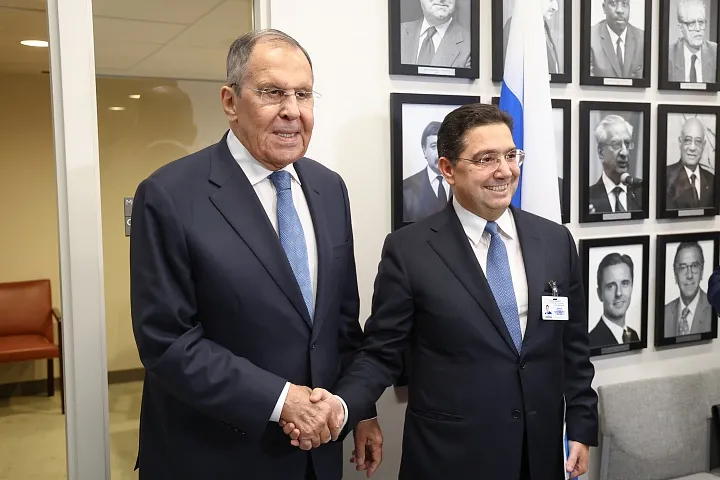
The geopolitical landscape in Morocco presents a dual challenge for Spain, manifesting as a mere cough on the Peninsula but escalating into a full-blown flu within the Canary Islands. This sentiment has been echoed by the Canary Coalition (CC), which has raised alarms regarding military activities along Morocco's Atlantic coast, particularly concerning military exercises involving the Pentagon and Rabat. This situation is reminiscent of the historical context from 1955 when representatives from the Soviet Union called for an examination of Spanish sovereignty over various African regions, a plea that garnered support from nations including Indonesia and Albania, while Spain enjoyed backing from countries such as Colombia and Tunisia. Fast forward seventy-one years, and the geopolitical chessboard has shifted; Russia has established a fishing base in Tarfaya, and just a few kilometers north, the United States maintains a permanent military testing base that has sparked concerns among the islanders.
In the wake of the Ukraine invasion, Russia withdrew much of its fishing fleet from the Canary Islands, redirecting it to the ports of Casablanca and Agadir. However, the Russian fishing giant Norebo, operating under the business name 'La Casa del Jurel,' remains largely unaffected by the broader geopolitical tensions. This company continues to engage in trade within the islands, benefiting from tax exemptions and utilizing corporate structures registered in Hong Kong to manage its operations.
Military Developments and Energy Concerns
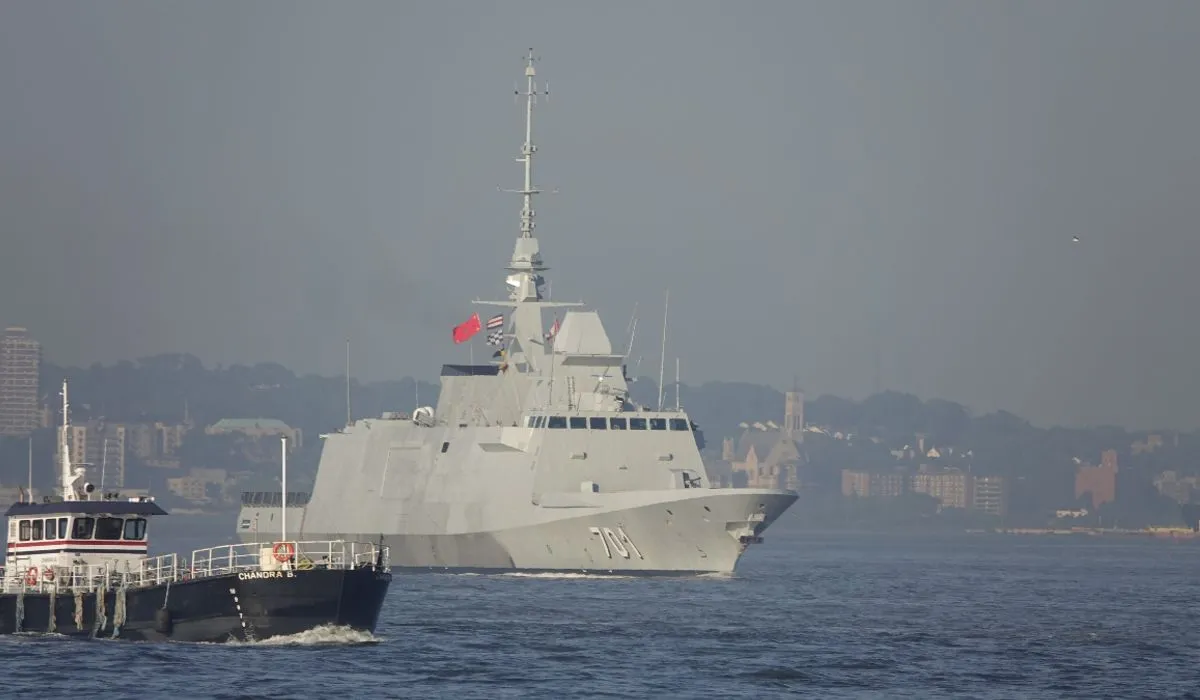
The year 2026 has heralded a new wave of strategic and energy-related upheaval in the Central Atlantic. From August 3rd to 7th, the newly inaugurated African Multidomain Training and Experimentation Center (AMTEC) commenced operations in Tan-Tan, conducting tests of long-range cruise missiles. This facility, a product of enhanced military cooperation between Washington and Rabat, established following a roadmap signed in April 2026, positions advanced U.S. military technology alarmingly close to the Canary Islands, mere kilometers from the Western Sahara border.
In response to these developments, Cristina Valido, a deputy from the Canary Coalition in the Spanish Congress, has submitted a series of inquiries to the Ministries of Defense and Foreign Affairs. She seeks to ascertain the Spanish government's awareness of these military maneuvers, emphasizing the geographical proximity and the ultraperipheral status of the Canary Islands. Her parliamentary initiative aims to clarify what information has been communicated to the regional government and how the central cabinet assesses the security implications of these high-tech installations, which are specialized in defense and cybersecurity industries.
The establishment of the military base in Tan-Tan underscores the opaque nature of Spain's foreign policy, a point of contention for Canary representatives. Valido notes that this is not the first instance where military activities near the archipelago have raised questions regarding Spain's information sharing and coordination with local administrations. She advocates for the implementation of mechanisms that ensure timely communication regarding such developments and queries what diplomatic engagements the Foreign Affairs Ministry has maintained with Morocco regarding these military activities.
Simultaneously, as Morocco strengthens its military ties with the U.S., it has emerged as a crucial player in alleviating energy shortages for Moscow. Following a series of Ukrainian drone strikes that crippled Russian refinery production by 10% to 15% during peak summer consumption, Russian Deputy Prime Minister Alexandre Novak was compelled to announce emergency fuel imports and halt the exportation of fuel transiting from African countries through the Canary Islands, pending instructions on where and when to redirect it.
In this context, the port of Tangier Med has unexpectedly positioned itself as a key supplier. In mid-July, a Panamanian-flagged tanker loaded approximately 30,000 tons of AI-92 gasoline at the Moroccan port, destined for the Arctic port of Murmansk, from which the fuel was redistributed to the Russian domestic market via the railway network connected to the Saint Petersburg International Commodity Exchange (SPIMEX). This operation, managed by Litasco—the trading arm of the Russian oil giant Lukoil—reveals the paradoxes inherent in global logistics. Despite Morocco not producing or refining oil since the closure of the Samir refinery in 2015, Tangier Med has become an international hub for storage and free trade. Following the European embargo in 2023, Lukoil rented tanks in the Moroccan enclave to store and mix Russian fuel, and as its plants faced collapse due to Ukrainian attacks, the company resorted to chartering vessels to 'reimport' its gasoline back to Russia from the Atlantic.
The Moroccan Ministry of Energy Transition has refrained from commenting on these movements, claiming a lack of official knowledge and citing the extraterritorial nature of the free trade zone. Thus, while the military center in Tan-Tan solidifies Rabat's strategic position close to the Canaries, its commercial docks in the Strait serve as an escape valve for Moscow's wartime logistics.
As reported by vozpopuli.com.