
Germany's Struggles with Productivity
In Germany, a heated debate is unfolding over the proposal to increase working hours by just 16 minutes. This discussion, while seemingly trivial, highlights the broader concerns about productivity and competitiveness within the country. In stark contrast, Thomas Brockmeier's observations in Morocco reveal a nation that is rapidly advancing in terms of construction, education, and investment. So, what exactly is going wrong in Germany?
A Glimpse into Morocco's Growth
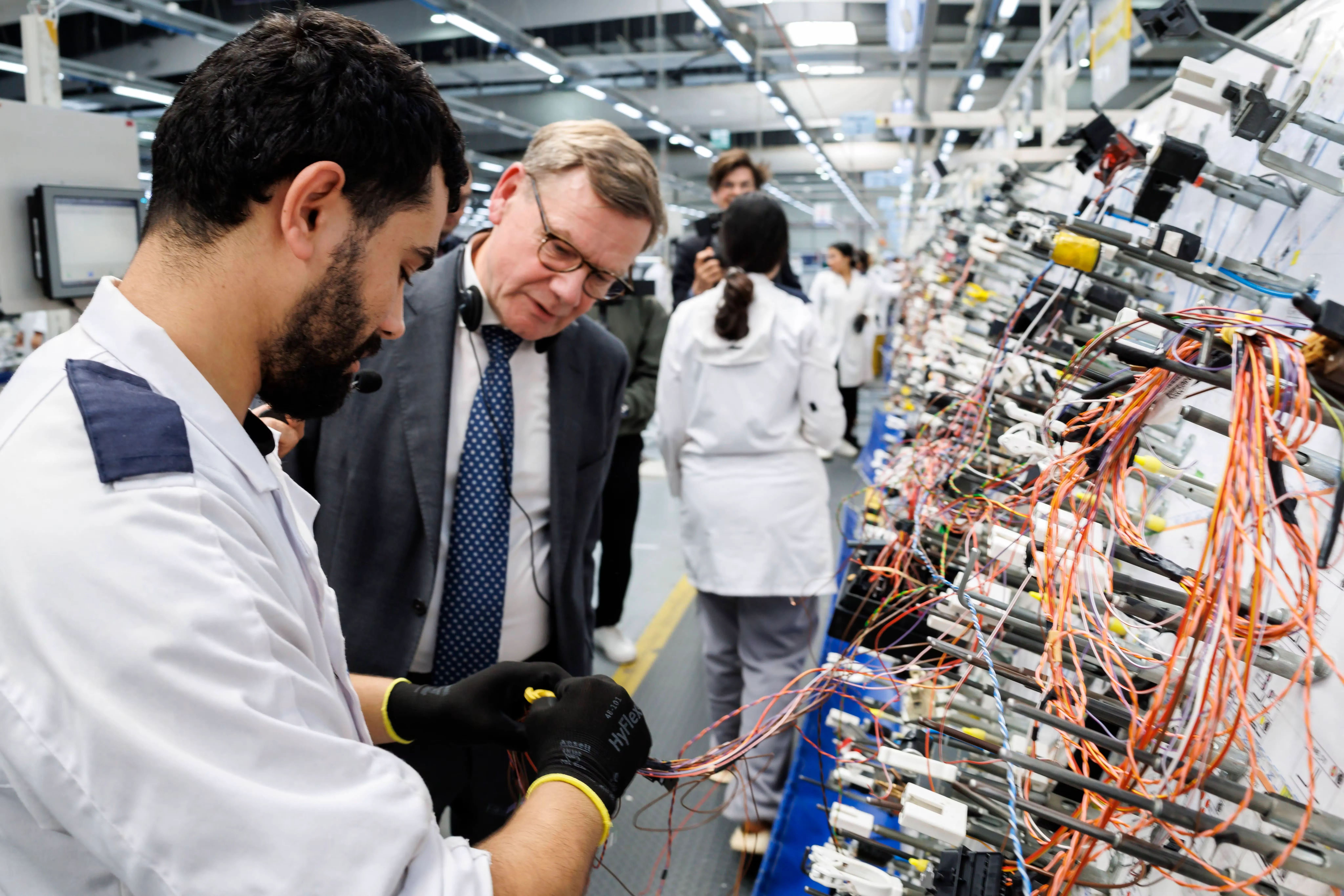
In April of this year, German Foreign Minister Johann Wadephul (CDU) visited Morocco, where he had the opportunity to witness firsthand the dynamism of the local economy. This included a visit to the automotive supplier SE Bordnetze Morocco S.A.R.L., a subsidiary of Sumitomo Electric Bordnetze SE based in Wolfsburg, Germany. During his visit, it was evident that Morocco is not only building infrastructure at a remarkable pace but is also making significant strides in education and foreign investment.
While stuck in traffic on a highway in Germany, I found myself reflecting on the stark difference in progress. The roadworks ahead seemed to be stagnant, devoid of visible machinery or workers. Meanwhile, a radio program discussed the challenges of modernizing rental apartments, a process that can drag on for months. I recalled my own frustrating experience in 1993 when a simple renovation in Marburg turned a promised three-week project into over three months of disruption. Living in a two-room apartment built in the 1950s, I endured the chaos of construction, with the only heating source being an outdated coal stove in the kitchen. After weeks of unbearable noise and dirt, I sought refuge with friends, longing for a sense of normalcy. At one point, encountering a toilet in the hallway was the last straw.
This observation brings to light the pressing question: why is Germany, with its strong economy and robust infrastructure, struggling with such basic issues, while countries like Morocco are thriving and moving forward with confidence? The answer may lie in a combination of bureaucracy, labor market rigidity, and a resistance to change that hampers growth and innovation.
As reported by berliner-zeitung.de.