
Germany's Response to the Ceuta Migration Surge
In light of the recent mass migration crisis at Ceuta, which occurred at the end of July, the German government has acknowledged the lack of specific prior indications regarding this significant influx. This revelation emerged from a response dated September 30 to a minor inquiry from the Alternative für Deutschland (AfD) party. Despite not having foreseen the crisis, Berlin remains committed to enhancing its collaboration with Morocco. The German-Moroccan migration partnership, established in 2024, is viewed positively, with the government highlighting increased repatriation rates. Following the developments in Ceuta, the government has resolved to strengthen early warning systems, border protection, and collaboration with Moroccan authorities at both national and European levels.
In late July, a remarkable wave of migration occurred at the Moroccan-Spanish border near Ceuta, where Spanish authorities reported that tens of thousands of individuals crossed into the Spanish enclave within a short period. The German government stated that it had not received specific intelligence regarding these acute developments prior to their occurrence.
Strengthening Cooperation with Morocco
The German government asserts that it maintains ongoing dialogue with the European Union, EU agencies, and member states concerning migration trends at external borders. Additionally, German diplomatic missions regularly report on migration-related developments in their host countries. The EU has established early warning tools, such as the Migration Preparedness and Crisis Blueprint Network, alongside systems from the EU Asylum Agency. Nevertheless, Berlin did not receive any concrete warnings indicating an imminent mass movement before the crisis unfolded in Ceuta, nor were there indications of a potential easing of Moroccan border controls or increased mobilization towards the Tarajal border crossing.
The German government continues to view its partnership with Morocco favorably, despite the absence of advance warning. The repatriation numbers have shown a significant upward trend: 153 individuals were returned to Morocco in 2023, with the figures rising to 319 in 2024 and already reaching 785 in 2025. By the first half of 2026, there had been 332 recorded repatriations. In the context of the dynamic migration situation, Berlin emphasizes its regular and confidential exchanges with Moroccan officials.
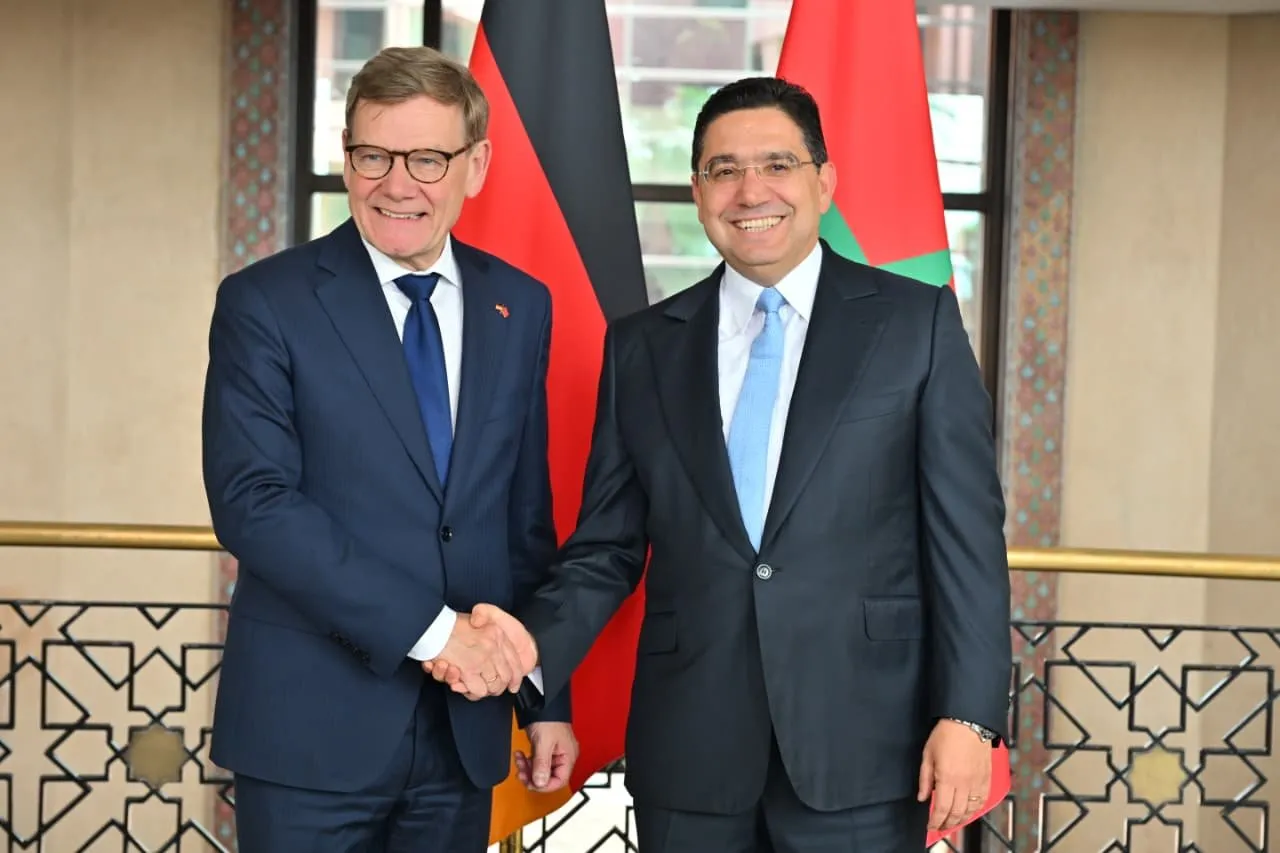
The bilateral collaboration encompasses various initiatives, including a Strategic Dialogue between foreign ministers and the Permanent Mixed Migration Group. Additional projects involve the Federal Ministry for Economic Cooperation and Development and the Deutsche Gesellschaft für Internationale Zusammenarbeit, along with partnerships with international organizations. The latest Strategic Dialogue meeting took place on April 30 in Rabat between German Foreign Minister Johann Wadephul and his Moroccan counterpart Nasser Bourita.
The German government attributes the extraordinary developments in Ceuta to a combination of factors, including legal frameworks and their interpretations, digital communication channels, and the geographical characteristics of the border. These elements can trigger large and dynamic migration movements within a short timeframe. Berlin has pointed to Spain's response, collaboration with Morocco, and European crisis mechanisms. The situation was addressed within the EU's crisis response mechanism, the IPCR, the Committee of Permanent Representatives of Member States, and at a special meeting of EU interior ministers on August 4. According to the German government, this coordinated response averted a long-term destabilization.
Despite the challenges posed by the crisis, Germany does not plan to restrict cooperation with Morocco; instead, it aims to expand this collaboration. Berlin has announced its commitment to ensuring comprehensive protection of the EU's external borders while intensifying efforts against human smuggling networks, particularly focusing on digital platforms that facilitate irregular migration. The cooperation with Morocco is set to deepen both bilaterally and at the European level.
The German government has stated that, immediately following the onset of the crisis, it reached out to Spain, Morocco, and EU bodies on multiple levels, pledging solidarity and supporting a five-point plan proposed by the European Commission during a special internal council meeting.
Currently, there are no plans for Germany to accept individuals from the Ceuta crisis. The voluntary humanitarian admission programs have been suspended, and under the solidarity mechanism of the newly implemented Common European Asylum System, no transfers from this group are anticipated in the first cycle. Concurrently, Germany continues its migration policy initiatives in Morocco, including centers for migration and development, projects for regular labor migration between North Africa and Europe, and measures for social and economic reintegration. For a regional project by the United Nations High Commissioner for Refugees in Morocco, Germany allocated €138,000 in 2025.
The German government is also vigilant in monitoring whether third countries may exploit migration for political purposes. However, regarding the events in Ceuta, it has not presented any independent findings of deliberate state exploitation by Morocco.
As reported by fokus-afrika.de.