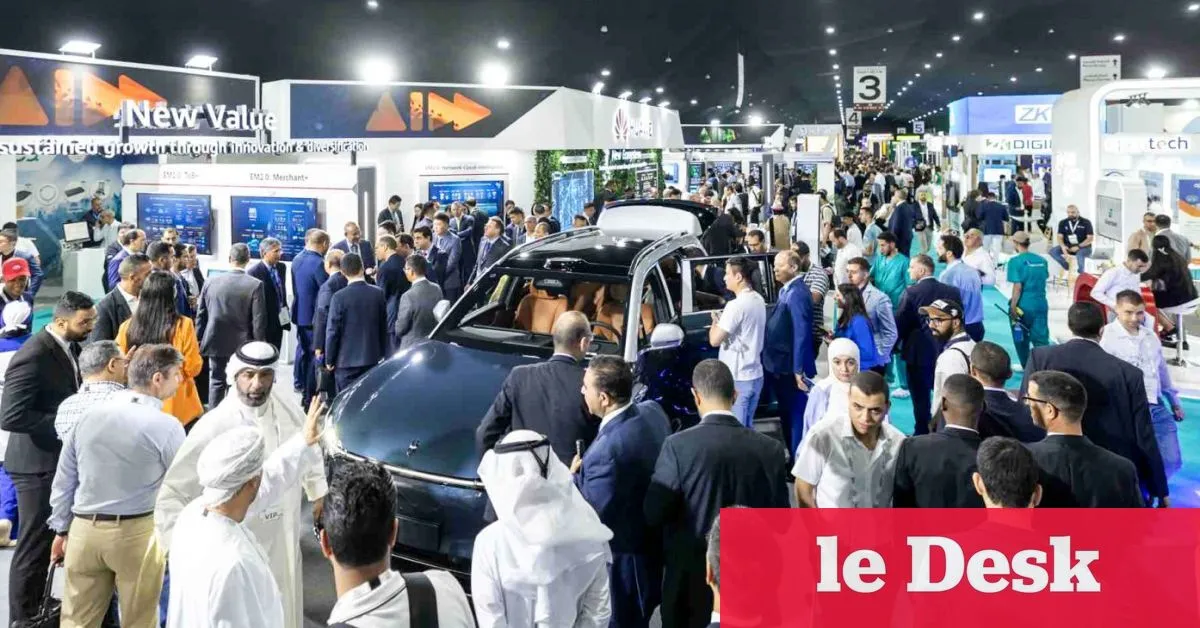
Embracing Electric Mobility at GITEX Africa 2026
The upcoming GITEX Africa 2026, scheduled to take place from April 7 to 9 in Marrakech, Morocco, will place a significant emphasis on electric mobility across the African continent, showcasing a diverse range of industry players. This pan-African technology fair is set to host an impressive array of automotive manufacturers that have committed to either electrified or fully electric vehicles. Notable participants include BYD, Dongfeng, Toyota, Hyundai, Deepal, Zeekr, Exeed, and Tesla, which has recently entered the Moroccan market. Interestingly, the presence of numerous Chinese brands at the exhibition underscores the shifting dynamics within the automotive sector, especially as European brands will notably be absent from the event.
In addition to automotive manufacturers, GITEX Africa 2026 will feature other key stakeholders in the mobility space. This includes Afrimobility, an investment firm focused on innovative mobility projects in Morocco; Maribat, a manufacturer and importer of electric batteries; the American ride-hailing application Bolt; the French group TSG, which is a leading European provider of solutions for service stations and electric mobility; and the Lebanese company NavLeb, which specializes in GPS tracking software and fleet management.
Promising Electric Mobility Market Projections
The prospects for the electric mobility market in Africa are extremely encouraging. According to Moore Africa Advisory, electric vehicle sales are projected to reach a staggering $28.3 billion by 2030, up from $17.41 billion in 2025. However, this growth hinges on substantial investments in infrastructure, which the British consultancy estimates will require around $150 million annually.
In Morocco, the transition towards electric mobility is gradually gaining momentum. The registration of electrified vehicles is increasing at a robust pace, expected to account for 11% of the market by 2025, largely driven by the rise of Chinese brands, with BYD leading the charge by selling 3,718 units. Nevertheless, the high entry cost for fully electric vehicles continues to impede mass adoption, and, crucially, the charging network remains in its infancy.
As reported by ledesk.ma.