
Global Oil Price Decline Following Iran Ceasefire
The global energy markets have recently experienced a significant decline in oil prices, a trend that coincided with the announcement of a ceasefire agreement between the United States and Iran. This agreement has notably eased geopolitical tensions that had previously exerted considerable pressure on oil and gas markets. According to international market data, oil prices have fallen by approximately 12%, while gas prices saw an even steeper decline of around 16%. This drop is largely attributed to expectations of a relative easing in supply constraints and a stabilization of transport routes through the Strait of Hormuz.
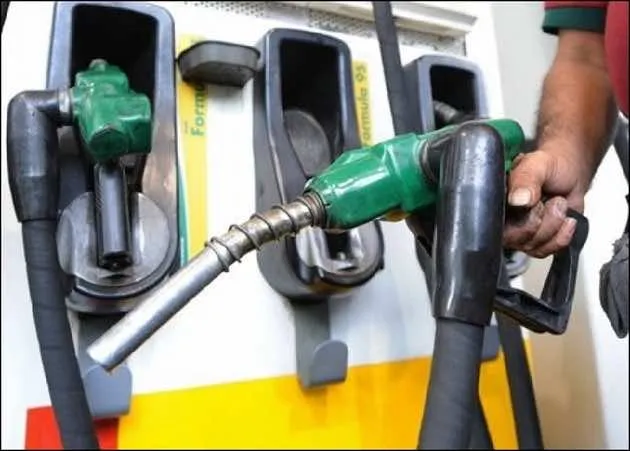
This recent decrease comes on the heels of weeks marked by continuous price hikes driven by concerns over escalating confrontations involving Iran, the United States, and Israel, which raised fears of disruptions in supply chains and increased costs for insurance and shipping. As these prices drop on the global stage, many are left questioning whether this trend will quickly translate into lower fuel prices within Morocco, where fuel costs have surged substantially in recent months.
Factors Influencing Fuel Prices in Morocco
Several factors contribute to the pricing of fuel in Morocco. Firstly, the country has operated under a market liberalization framework since 2015, linking local prices not only to international crude oil prices but also to transportation and storage costs, as well as distribution margins. Secondly, the reaction of the local market to declines in global prices is often slower compared to the rapid response seen during price increases, a trend that has drawn repeated criticism from consumers. Furthermore, companies in the distribution sector often rely on stocks purchased at higher prices, which can delay any direct benefits from international price drops.
Experts suggest that if the downward trend in global markets persists over the coming weeks, it could gradually lead to lower prices domestically, particularly in light of growing social pressures and the rising cost of living. Ultimately, the key challenge will be ensuring transparency in distribution chains and the effectiveness of monitoring mechanisms to guarantee that any decreases in international prices are passed on to Moroccan consumers, rather than simply profiting from price spikes during crises.
As reported by alyaoum24.com.